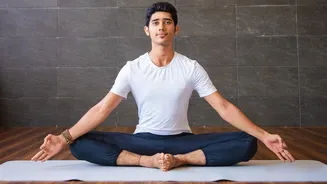







What Is Breath Awareness?
At its core, breath awareness is the simple, mindful practice of paying attention to your natural breathing without trying to change it. Think of it as becoming a gentle observer. You are not trying to force a deep belly breath or fix a shallow one. Instead,
you are just noticing. Is the breath cool as it enters your nose? Is it warm as it leaves? Where do you feel it most—in your chest, your stomach, or the tip of your nose? The goal is to anchor your attention to the present moment using the rhythm of your breath as a focal point. This act of passive observation helps to quiet distracting thoughts and reduce the tendency to get carried away by stress or worry.
The Crucial Difference: Awareness vs. Control
This is where many beginners get confused. Breath awareness is fundamentally different from breath control exercises, often found in yogic practices known as pranayama. A key technique in pranayama is 'kumbhaka', or breath retention, which involves deliberately holding the breath after an inhalation or after an exhalation. These are active, powerful techniques designed to manipulate the flow of energy, stimulate the nervous system, and build lung capacity. Breath awareness, on the other hand, is passive. There is no holding, no counting, and no effort to breathe in a specific way. The instruction is simply to notice what is already happening. While breath control is a form of 'doing', breath awareness is a form of 'being'—simply being with your breath as it is.
Why This Simple Practice Matters
The benefits of this gentle practice are surprisingly profound. One of the most immediate effects is stress reduction. By focusing on the breath, you activate the body's relaxation response, which can help lower the production of stress hormones like cortisol. This simple act can lead to reduced anxiety, a calmer pulse, and an overall sense of well-being. Regular practice can also improve focus and concentration. By training your mind to return to the breath whenever it wanders, you are essentially strengthening your attention muscle. Over time, this can enhance emotional regulation, help you sleep better, and even improve your immune response.
A 5-Minute Guide to Get You Started
Ready to try? You don’t need any special equipment or a lot of time. Find a comfortable position, either sitting in a chair with your feet on the floor or lying down. Close your eyes if that feels comfortable, or soften your gaze. Now, simply bring your attention to your breath. Don't try to alter it; just notice it flowing in and out. Feel the air moving, the rise and fall of your chest or belly. Your mind will wander—that is completely normal. When you notice your thoughts have drifted, don't get frustrated. Gently acknowledge the thought and guide your focus back to the sensation of your breath. That's the entire practice. Start with just five minutes a day. The key is not perfection but gentle, consistent repetition.
Common Hurdles for Beginners
Many newcomers wonder, 'Am I doing it right?' If you are attempting to watch your breath, you are doing it right. There is no special state to achieve. The practice is the process itself. Another common issue is feeling like you can't stop your thoughts. The goal isn't to have an empty mind, which is nearly impossible. The goal is to notice when your mind has wandered and gently bring it back. Each time you guide your attention back to your breath, you are strengthening your mindfulness. Some days will feel easy, while on other days, your mind might feel incredibly busy. The instruction remains the same: be kind to your wandering mind and simply return to the feeling of your breath, over and over again.