



A Celestial Summer Highlight
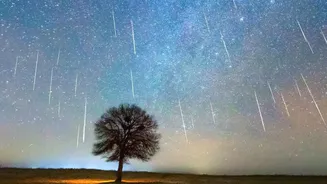
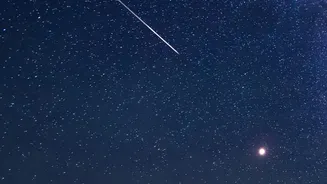
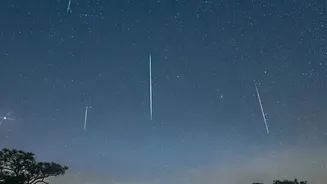
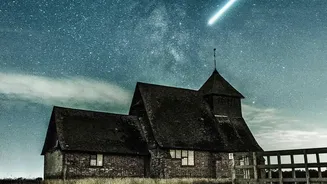
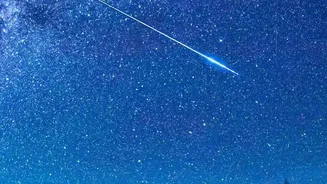
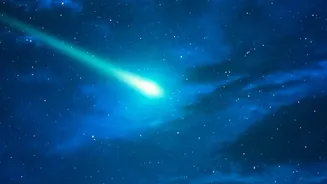
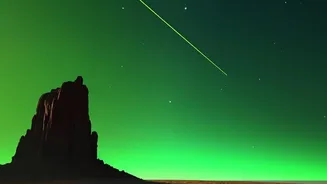
The Perseid meteor shower is one of the most beloved celestial events of the year, known for its bright, fast-moving meteors that often leave long, glowing trails behind them. These are not actually stars falling, but tiny bits of ice and rock left behind by
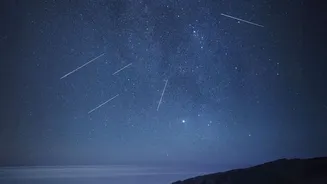
the comet 109P/Swift-Tuttle. Each year, from mid-July to late August, Earth passes through this stream of cometary debris. As these particles, some no bigger than a grain of sand, hit our atmosphere at incredible speeds, they burn up and create the spectacular streaks of light we call meteors. The shower gets its name because the meteors appear to radiate from a point in the constellation Perseus. Thanks to their frequency and the warm August nights, the Perseids offer a perfect opportunity for both seasoned stargazers and curious first-timers.
When and How to Watch in 2026
Mark your calendars for the night of August 12-13, 2026, as this is when the shower will hit its peak. The best part about this year's event is that it coincides with a new moon, meaning the sky will be perfectly dark and free from lunar glare, which can otherwise wash out fainter meteors. While you might see meteors any time after dark, the show really gets going in the late hours. For viewers in India, the prime time to watch will be from around 2:00 AM to the pre-dawn hours of August 13. At its peak under ideal conditions, you could see 50 to 100 meteors per hour. You don't need any special equipment like a telescope or binoculars; in fact, the show is best enjoyed with the naked eye, which allows you to take in a wider view of the sky.
The Golden Rule: Escape the Lights
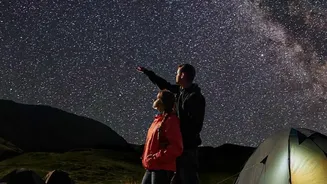
The single most important factor for a successful meteor-watching experience is getting away from light pollution. The bright glow from cities and towns creates a haze that obscures all but the very brightest stars and meteors, drastically reducing what you can see. To truly witness the shower's splendour, you need to find a location with a dark, unobstructed view of the night sky. The darker the site, the more meteors you will spot. It also takes your eyes about 20 to 30 minutes to fully adapt to the darkness, so it's crucial to put away your phone and avoid any bright lights once you've settled in. That little screen can instantly ruin your night vision, so give yourself time to adjust and let the celestial show reveal itself.
Finding a Viewing Spot in India
While finding a perfectly dark sky can be a challenge, it's worth the effort. For Indian stargazers, the biggest obstacle in August can be the monsoon clouds. This makes high-altitude, arid, and rain-shadow regions the most reliable destinations. Ladakh, home to India's first official Dark Sky Reserve in Hanle, offers world-class viewing conditions. Spiti Valley in Himachal Pradesh is another excellent choice, with villages like Kaza and Kibber providing incredibly dark skies. If heading to the Himalayas isn't feasible, consider the arid landscapes of Rajasthan, near Jaisalmer, or the Rann of Kutch in Gujarat. For those closer to other regions, even driving an hour or two away from the city limits to a remote rural area, a quiet beach, or a hilltop can make a massive difference. National parks and wildlife sanctuaries, once you are outside their core operational areas at night, can also offer the darkness you need.
What to Pack for Your Night Out
Once you've chosen your spot, a little preparation goes a long way. Comfort is key, as you'll be looking up for a while. Pack a blanket, a reclining lawn chair, or a sleeping bag to lie on comfortably without straining your neck. Even on a summer night, the early morning hours can get chilly, so bring warm layers of clothing. A thermos with a hot beverage and some snacks are always a good idea to keep you warm and energised. While you should avoid bright white lights, a red-light torch can be very helpful for finding your way around without ruining your night vision. Most importantly, bring patience. Meteors often come in spurts with lulls in between, so don't be discouraged if you don't see one right away.