






A Taste of History
The story of monsooned coffee begins not in a modern roastery, but on the wooden sailing ships of the British Raj. In the 19th century, it took up to six months for raw Indian coffee beans to travel by sea to Europe. Stored in the humid, non-airtight
holds of these ships, the beans were constantly exposed to the salty sea air and moisture. By the time they reached their destination, the green beans had swelled, turned a pale golden yellow, and lost much of their acidity. European coffee drinkers grew to love this deep, mellow, and less acidic flavour profile. When faster steamships and modern transport cut the journey time and protected the beans from the elements, the coffee arrived in Europe fresh, green, and acidic—much to the disappointment of consumers who missed the unique taste they had come to expect. To meet this demand, Indian coffee producers along the Malabar Coast devised a way to replicate the effects of the long sea voyage.
The Magic of 'Monsooning'
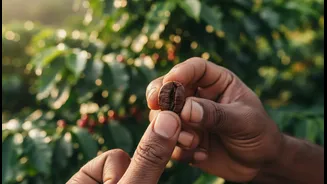
Today, this process is known as “monsooning” and it is unique to India, with 'Monsoon Malabar' even holding a Geographical Indication (GI) tag. The process begins after the coffee is harvested and dried. Selected green beans, often top-grade Arabica, are transported to well-ventilated warehouses along India's southwestern coast, primarily in Karnataka and Kerala. From June to September, during the peak of the southwest monsoon, these warehouses are opened to the moisture-laden winds blowing in from the Arabian Sea. The beans are spread in thick layers on the floor and are raked and turned regularly for 12 to 16 weeks to ensure they absorb the humidity evenly. This meticulous process causes the beans to swell to nearly double their original size, turn a pale, golden colour, and develop a completely transformed flavour profile.
The Allure of Single-Origin Beans
While blends are common, many specialised roasters choose to highlight single-origin beans for their monsoon offerings. This is because the monsooning process dramatically alters the bean's intrinsic characteristics, often muting the delicate notes of terroir, or the environmental factors that create a coffee's specific flavour. However, using a high-quality single-origin bean provides a superior canvas. The process strips away acidity and brings forward a different set of flavours inherent in the bean. Roasters can then showcase how this unique Indian processing method transforms a familiar single-origin Arabica into something entirely new. It becomes a story not just of origin, but of a unique and deliberate transformation, allowing coffee lovers to appreciate the profound impact of processing on the final cup.
A Unique Flavour Profile
The result of all this effort is a coffee that is unlike any other. Monsooned coffee is prized for its extremely low acidity, which makes it smooth and easy on the stomach. It has a heavy, full-bodied mouthfeel that can be described as syrupy or creamy. The flavour is distinctly earthy and woody, often with notes of spice, nuts, and baker's chocolate. Some detect a certain mustiness that, rather than being a flaw, is considered a desirable and complex characteristic of this style. These bold, deep flavours make monsooned coffee an excellent base for espresso, where it produces a thick, rich crema, and it also pairs beautifully with milk. It’s a comforting, powerful cup that evokes the season it was born from.
The Roaster's Seasonal Celebration
For specialised roasters in India, introducing a monsoon blend is more than just a marketing gimmick; it's a celebration of a uniquely Indian coffee heritage. It offers a chance to educate consumers about a process deeply rooted in the country's history and geography. These seasonal releases tap into the romanticism of the monsoon and provide a flavour experience that is intrinsically linked to this time of year. As the specialty coffee scene in India continues to grow, roasters are increasingly looking for ways to differentiate their offerings and highlight the incredible diversity of Indian coffee. Monsoon blends, with their compelling backstory and distinctive taste, are a perfect way to do just that, offering a bold counterpoint to the bright, acidic flavour profiles that often dominate the specialty market.