



What Exactly Is Pazhanthanji?
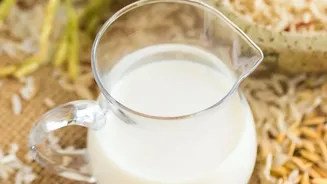
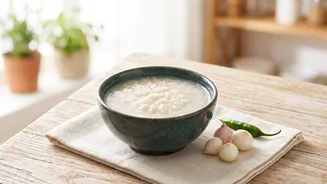
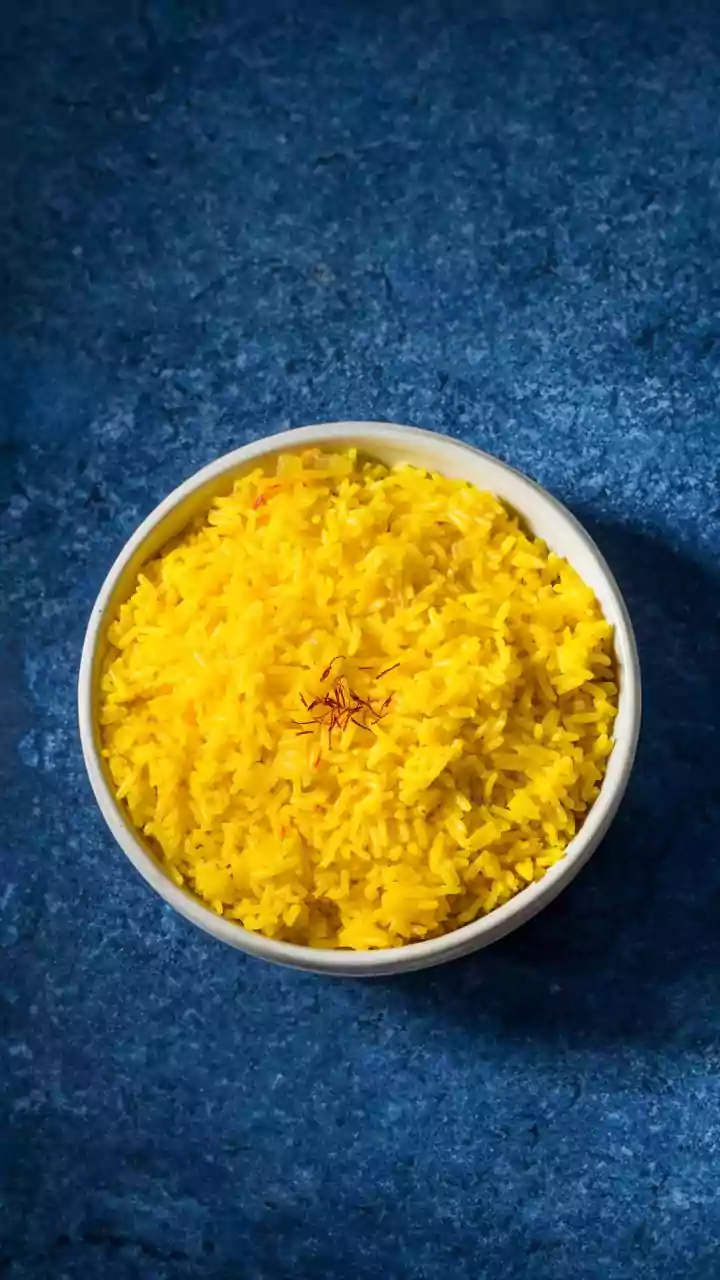
Known by many names across South India—including pazhaya soru or neeragaram—pazhanthanji is fundamentally simple. It is made from leftover cooked rice that is soaked in water, traditionally in a clay pot, and left to ferment overnight at room temperature.
What was once a thrifty way to preserve food has been a breakfast staple for generations, particularly for farmers needing sustained energy. The next morning, the slightly tangy, cloudy liquid and the softened rice are consumed, often mixed with salt, curd, chopped shallots, or green chillies, creating a cooling and savory porridge. This quiet, overnight transformation is where the magic happens, turning a simple leftover into a nutrient-dense food.
From Farmhouse Staple to Urban Trend
For centuries, pazhanthanji was considered a rustic meal, the food of laborers who needed hydration and energy to toil under the hot sun. Its recent revival among urban youth is part of a larger trend of looking back to traditional Indian food wisdom for modern health solutions. As awareness around gut health grows, young people are becoming more skeptical of expensive, imported superfoods and supplements. They are instead exploring their own culinary heritage, finding that dishes like pazhanthanji offer powerful benefits without the high price tag. This rediscovery is not just about health; it's a cultural reclamation, connecting a new generation to the simple, sustainable practices of their ancestors.
The Gut Health Connection
The primary driver behind pazhanthanji's newfound popularity is its reputation as a probiotic powerhouse. The overnight fermentation process encourages the growth of beneficial bacteria, such as Lactobacillus, which are crucial for a healthy gut microbiome. These natural probiotics help balance the bacteria in your digestive system, which can improve digestion, reduce bloating, and ease issues like constipation. A healthy gut environment is linked to everything from a stronger immune system—since much of our immunity resides in the gut—to improved mood and overall wellness. In a world of heavily processed foods, a natural, food-based probiotic like pazhanthanji offers a direct way to nourish the body's internal ecosystem.
More Than Just Probiotics
While the probiotic content is the star, the benefits of fermentation go further. The process breaks down anti-nutrients like phytic acid in rice, which can block the absorption of minerals. As a result, the body can more easily access essential nutrients like iron, potassium, and calcium from the rice. Some reports suggest the bioavailability of iron can increase dramatically after fermentation. Furthermore, the process also creates B vitamins, including B6 and B12, which are vital for energy production. The carbohydrates in the rice are also broken down, making them easier to digest and providing a source of sustained energy without the sugar crash associated with many modern breakfast options.
A Note on Safety and Preparation
While pazhanthanji is a natural remedy, it's important to prepare it correctly to avoid contamination. Always start with properly cooked rice and clean, filtered water. Soaking the rice in a clay or glass pot is traditional and recommended. The fermentation should happen at room temperature for about 8 to 12 hours. The resulting liquid should have a mildly sour or tangy aroma; a foul smell is a sign that it has gone bad and should not be consumed. When trying it for the first time, it's wise to start with a small amount to see how your body reacts. While the drink has many proponents, it's not a cure-all, and those with underlying health conditions, particularly diabetes, should be mindful, as it is still a rice-based product.