

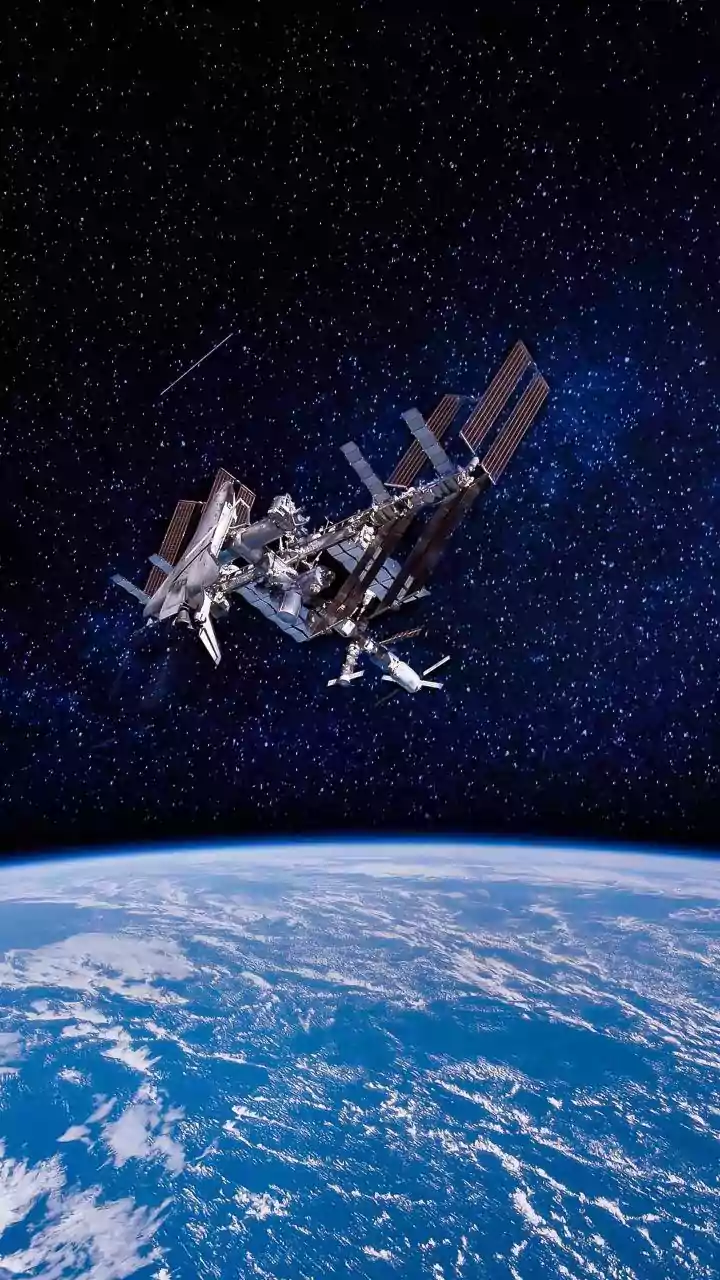




A Changing of the Guard in Orbit
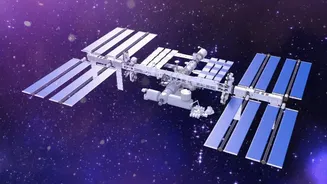
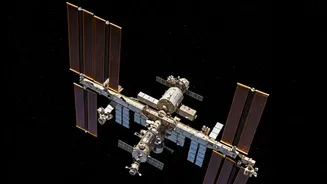
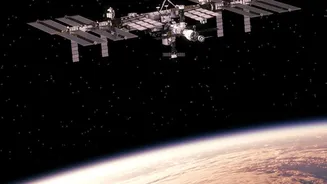
For over two decades, the International Space Station has been humanity's lone outpost in low-Earth orbit, a hub for groundbreaking science and international cooperation. But the aging station is slated for a controlled deorbit in 2030, marking the end
of an era. Rather than build a replacement itself, NASA is turning to the private sector, aiming to become just one of many customers for a fleet of new, commercially owned and operated space stations. This strategic shift, part of the Commercial Low-Earth Orbit Destinations (CLD) program, is designed to foster a robust orbital economy while freeing up NASA resources for deep-space missions to the Moon and Mars. The success of this transition hinges on innovative technologies that can make space habitats more affordable and versatile, which is where expandable modules come in.
The Inflatable Advantage
Imagine launching a multi-room habitat that fits inside a single rocket fairing. That's the core promise of inflatable modules. Unlike traditional rigid structures made of aluminum, these habitats are built from layers of advanced, flexible fabrics like Kevlar. They are launched in a compressed state, dramatically saving mass and volume—two of the most expensive factors in spaceflight. Once in orbit, the module is inflated, expanding to its full size to provide a voluminous interior for living quarters, workspaces, and labs. This approach delivers far more usable space per kilogram launched than rigid modules ever could. Furthermore, their multi-layer fabric construction offers surprisingly robust protection against micrometeoroid impacts and radiation, in some cases superior to traditional metal hulls.
The Race for Orbital Real Estate
Several companies are leading the charge to build the next generation of space stations using this technology. Sierra Space is a major player with its Large Integrated Flexible Environment (LIFE) habitat. The LIFE module is a three-story structure that has undergone successful burst pressure tests, proving it can withstand conditions far exceeding its operational requirements. The company plans to launch a pathfinder version as a standalone station. Another key contender is Axiom Space, which is taking a phased approach by first attaching its own modules—including an inflatable media venue—to the ISS before separating to form an independent station. Other companies like Lockheed Martin and Max Space are also developing their own inflatable habitat concepts, signaling a vibrant new commercial race. This competition is spurred by NASA's CLD program, which provides crucial funding and technical partnership.
Unlocking a New Wave of Science
More space means more science. The large, open environments of inflatable habitats are ideal for hosting experiments that are difficult to conduct in the cramped confines of current modules. The microgravity environment of low-Earth orbit allows for breakthroughs not possible on the ground, particularly in materials science, biotechnology, and medicine. For example, growing protein crystals in microgravity can lead to a better understanding of diseases and the development of more effective drugs. Similarly, manufacturing exotic fiber optic cables or unique metal alloys is more efficient without the influence of gravity. Commercial stations will provide dedicated facilities for these activities, creating what some are calling "science parks in space" where research and industry can collaborate on next-generation products.