

What Is Quantum Communication, Anyway?
Forget complex algorithms. At its heart, quantum communication relies on a wonderfully strange principle of physics. The most common method is called Quantum Key Distribution (QKD). Imagine you and a friend have a pair of "magic" coins. Whenever one is flipped,
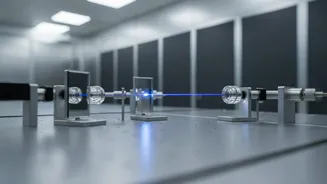
the other, no matter how far away, instantly lands on the opposite face. Quantum physics has a real-world version of this called entanglement. By encoding a secret key into the properties of these linked particles (like photons, which are particles of light), you can create a truly secure channel. Why is it so secure? Because in the quantum world, the very act of observing a particle changes it. If an eavesdropper tries to intercept the key, the particles are disturbed, the "magic coins" stop behaving predictably, and the legitimate users are instantly alerted. There is no way to spy on the key without leaving a trace.
Why Our Current Security Is at Risk
The encryption that protects everything from your bank account to government secrets currently relies on mathematical problems that are too difficult for today's computers to solve quickly. But the dawn of quantum computing threatens to shatter that protection. A powerful quantum computer could one day break these conventional encryption methods in seconds, rendering much of our digital world vulnerable. This potential crisis is why scientists and nations are racing to develop "quantum-proof" security. Instead of relying on math that can eventually be solved, QKD relies on the fundamental laws of physics, which can't be broken. It’s considered 'future-proof' because no amount of future computational power can crack a key that’s protected by physics itself.
What India Just Accomplished
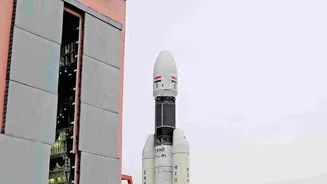
This is where the Indian Space Research Organisation's (ISRO) achievement comes in. For the first time in the country, its scientists successfully demonstrated free-space quantum communication between two buildings 300 meters apart. They used the system to encrypt images and even hold a secure video conference. While 300 meters might not sound like much, it's a monumental proof of concept. Transmitting single photons through the open air without losing them is incredibly difficult due to atmospheric disturbances and pointing precision challenges. By successfully doing so on the ground, ISRO has validated its indigenously developed hardware—including entangled photon sources and timing synchronization receivers—which is a critical step before attempting the same feat from a satellite to a ground station. This shows they are mastering the fundamental technology needed for a satellite-based system.
The Global Race to Secure the Skies
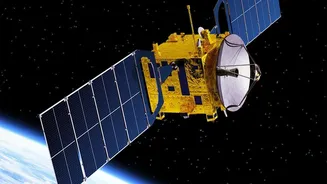
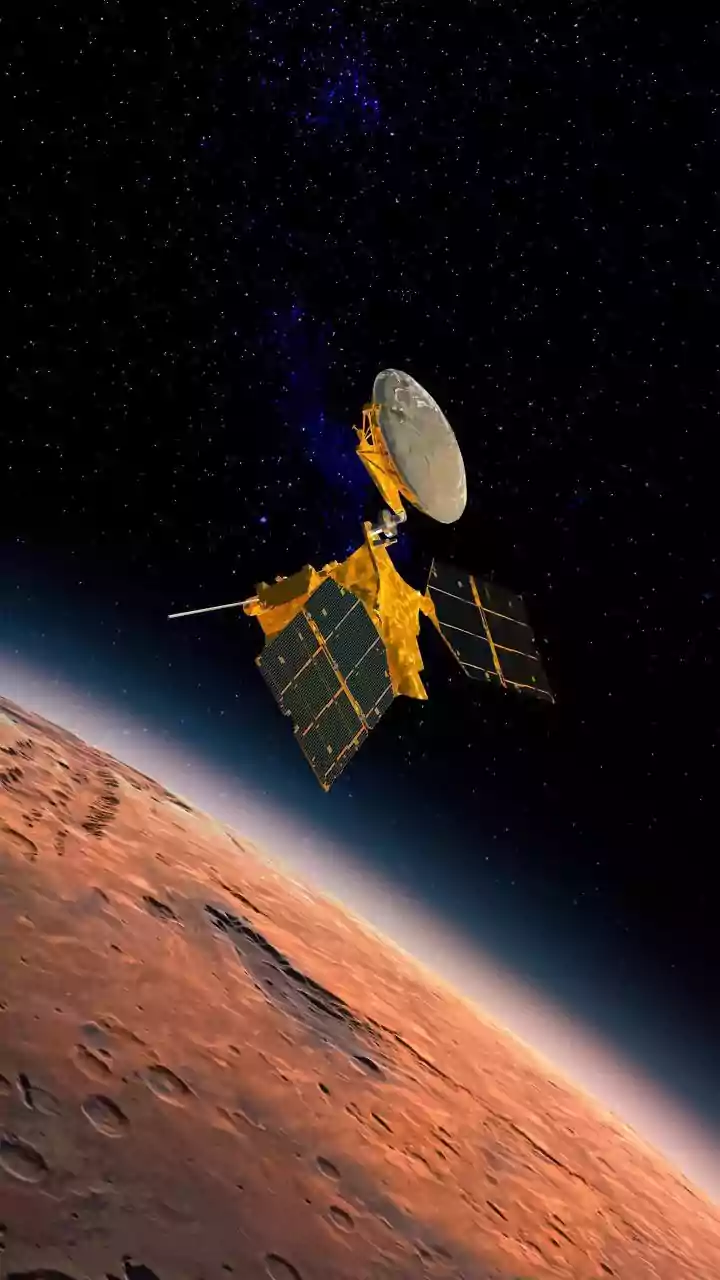
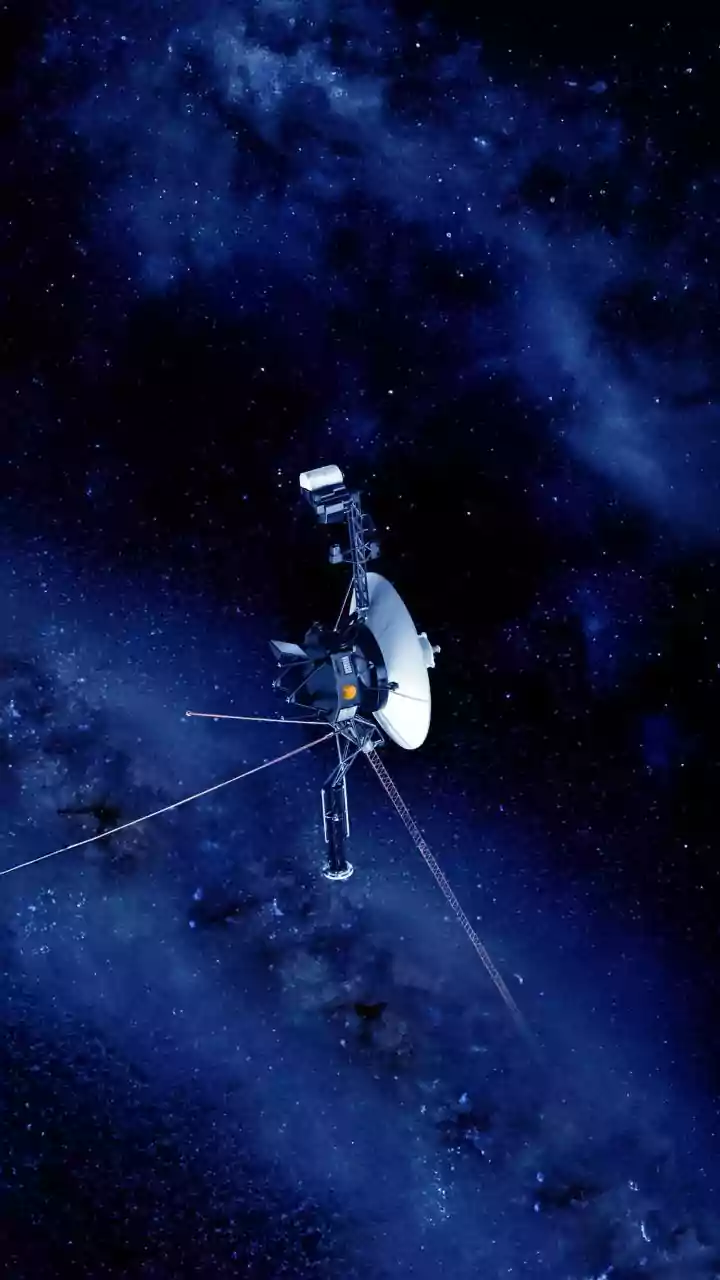
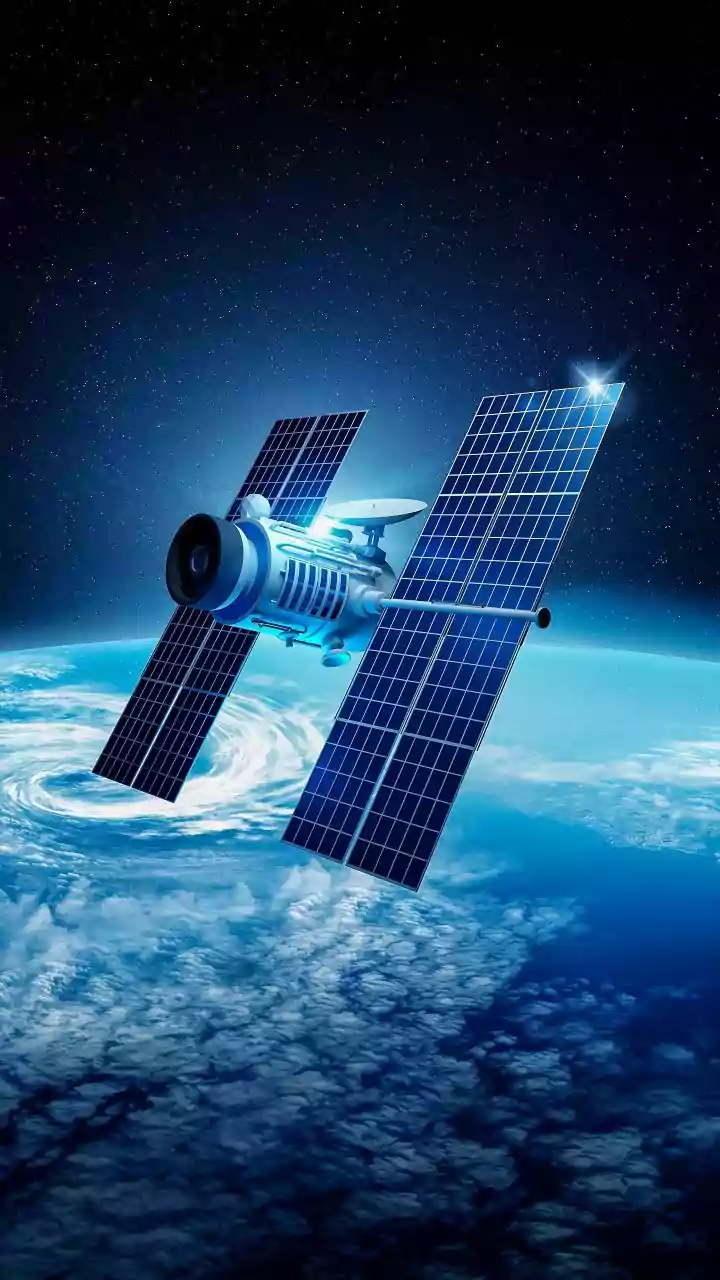
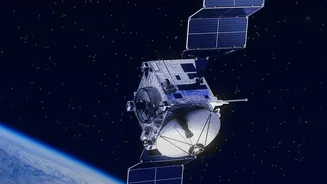
ISRO's demonstration is part of a global effort to build a secure quantum internet. The ultimate goal is to use satellites to create unhackable communication links across continents and oceans, something impossible with fiber optic cables alone, which degrade the quantum signal over long distances. A satellite can act as a trusted node in the sky, generating and beaming down quantum keys to ground stations thousands of kilometers apart. China was an early pioneer, launching its Micius satellite in 2016 and achieving several milestones in space-based QKD. The United States, Canada, and the European Space Agency are also heavily invested, developing their own satellite missions and quantum communication projects. Each successful ground test, like ISRO's, is another step in a strategic race to control the future of secure global communication, with massive implications for national security, finance, and defense.