


The Myth of the Off-Season
Conventional wisdom dictates that wildlife safaris are best reserved for the dry winter and scorching summer months when foliage is sparse and animals gather around dwindling waterholes. The monsoon, with its torrential downpours and muddy tracks, is typically
seen as the off-season, a time when most national parks close their core zones for regeneration. However, this perception overlooks a magical secret known to seasoned naturalists and intrepid travellers: the monsoon safari. While many core areas do shut down, several buffer zones and specific park sections remain open, offering a completely different, and arguably more profound, wilderness experience. The absence of crowds, the lower costs, and the sheer atmospheric beauty make it a compelling alternative to the peak season rush.
A World Washed Anew
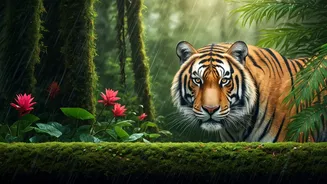
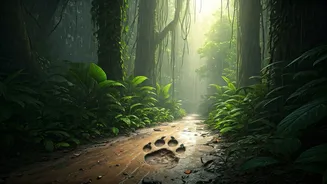
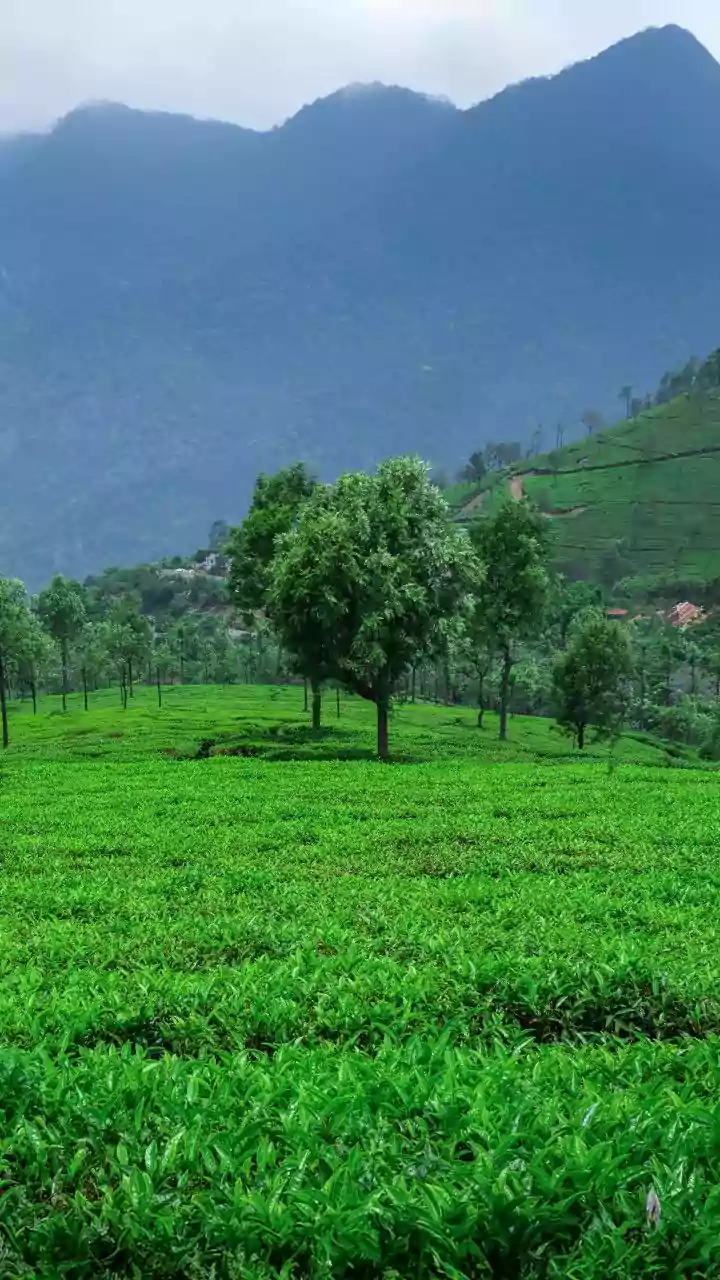
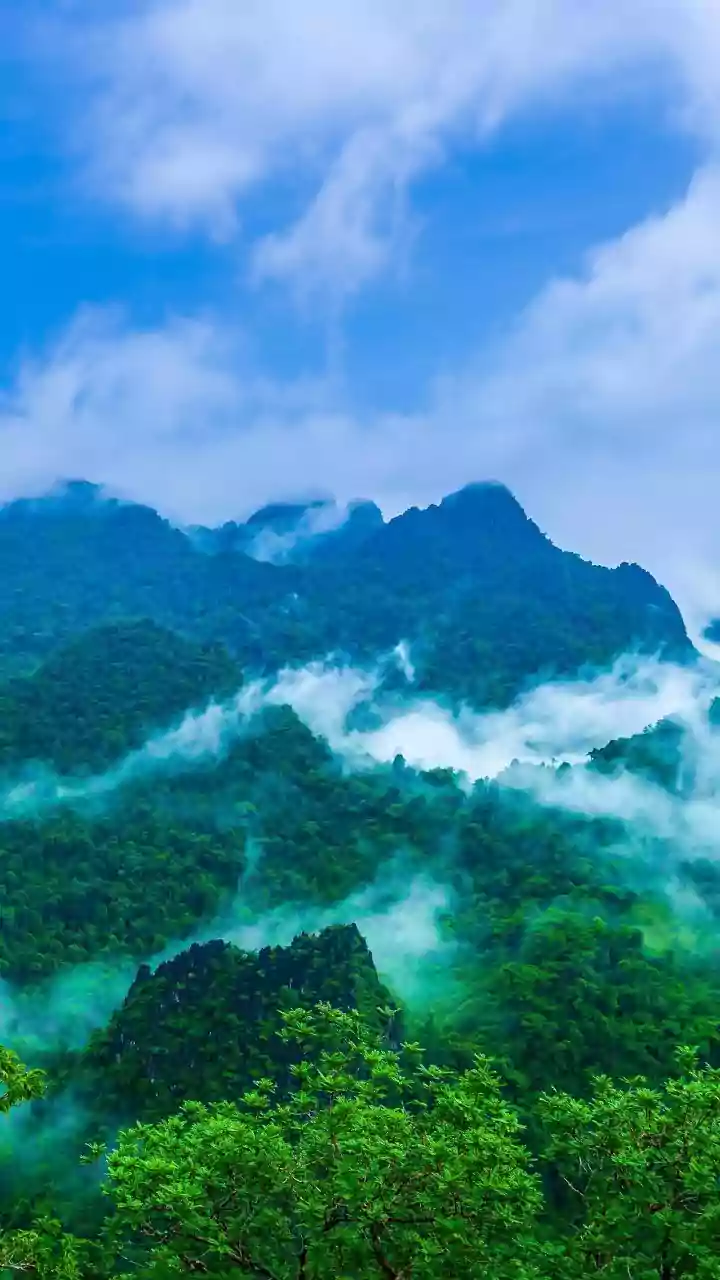
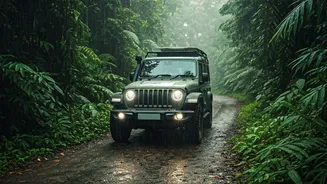
The first and most striking aspect of a monsoon safari is the landscape itself. The parched, brown earth of May gives way to a staggering explosion of green. Every tree, shrub, and blade of grass is washed clean, shimmering with a life force that feels palpable. The air, thick with the petrichor scent of rain-soaked soil, is cooler and fresher. Creeks and rivers, which were mere trickles weeks before, now flow with renewed vigour. The drama isn't just on the ground; the sky puts on its own show. Heavy, bruised-purple clouds roll in, creating a dramatic backdrop for photography, only to part and reveal shafts of golden sunlight that illuminate the verdant canopy. It’s a multi-sensory experience where the sounds of dripping leaves and the croaking of frogs replace the dry crackle of leaves under a jeep’s tyres.
Unique Wildlife Encounters
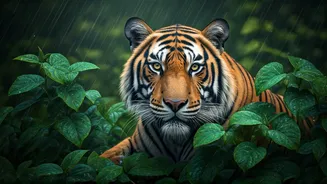
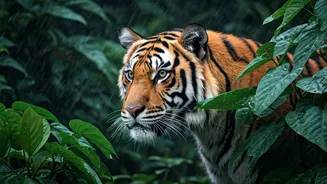
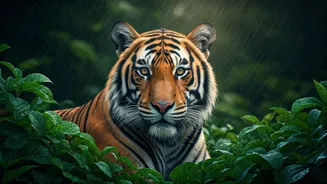
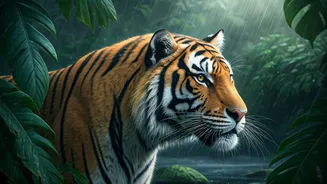
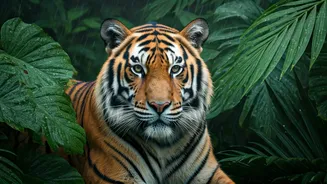
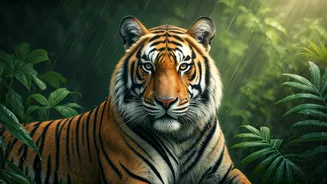
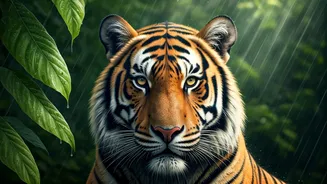
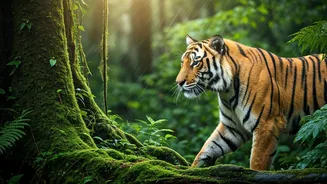
While the dense foliage can sometimes make spotting big cats a little more challenging, the monsoon brings its own set of unique wildlife viewing opportunities. The forest floor comes alive with activity. It's the best time to see various species of snakes and frogs, including the dazzling Indian Bullfrog. For birdwatchers, it’s a bonanza. This is the breeding season for many resident birds, and you can witness incredible courtship displays, most famously the peacock's full-plumed dance. Herbivores like deer and gaur look healthier and more content, grazing on the abundant fresh grass. Even tigers and leopards can be seen enjoying the cooler weather, sometimes walking along the safari tracks to avoid the wet undergrowth. The water bodies, now full to the brim, attract animals for a drink, providing excellent sighting opportunities from a stationary jeep.
Where to Go: Top Monsoon Sanctuaries
Not all parks are accessible, so planning is key. Here are a few reliable destinations for a monsoon safari: **Jim Corbett National Park, Uttarakhand:** While the core zones are closed, the Jhirna and Dhela zones typically remain open year-round. These areas offer a beautiful mix of grasslands and riverbeds, providing good chances to spot elephants, deer, and even tigers against a lush Himalayan foothill backdrop. **Tadoba-Andhari Tiger Reserve, Maharashtra:** The buffer zones of Tadoba are a fantastic option. These areas have a high density of tigers that often use the tracks during the rains, making for some dramatic sightings. The landscape becomes incredibly picturesque. **Ranthambore National Park, Rajasthan:** Similar to other parks, Ranthambore’s core zones close, but zones 6 through 10 (the buffer areas) usually stay open. The Aravalli hills, draped in fresh green, offer a stunning setting to look for the park’s famous tigers. **Periyar National Park, Kerala:** Located in the Western Ghats, Periyar is a monsoon paradise. The park is centred around a lake, and boat safaris are the primary way to explore. You can see herds of elephants, gaur, and sambar along the banks, all while gliding on the water amidst the mist and rain.
Tips for Your Monsoon Adventure
To make the most of your trip, go prepared. Book your safaris and accommodation in advance, as even the open zones have limited capacity. Pack light, quick-drying clothes and a reliable waterproof jacket. A good pair of waterproof boots is essential. Don’t forget insect and leech repellent, as the humid weather brings them out in full force. Protect your camera gear with waterproof covers or bags; the diffused light and dramatic skies offer unique photographic opportunities you won't want to miss. Most importantly, embrace the rain. A little drizzle shouldn't stop your safari; it’s all part of the immersive experience.