




The Joy Factor: Expression vs. Endorphins
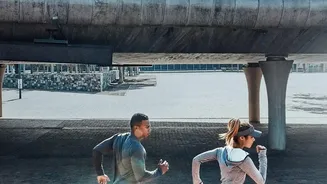
The enjoyment from exercise is a powerful predictor of whether you'll keep doing it. Running is famous for delivering a 'runner's high', a flood of endorphins that creates a sense of wellbeing and can make the activity feel meditative. For many, the appeal
lies in the rhythmic solitude, a chance to clear the head on a long, steady run. Dancing, on the other hand, offers a different kind of joy. It taps into the brain's reward centers through music and self-expression. The fun is less about meditative repetition and more about creativity, flow, and the emotional release that comes from moving your body to a beat. Studies have shown that dancing can improve your emotional state and even reduce feelings of fatigue. It’s an activity many describe as so fun you forget you're even working out.
The Social Connection: Solitude vs. Community
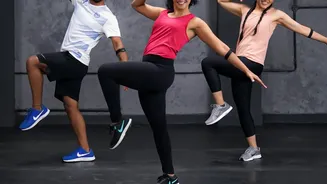
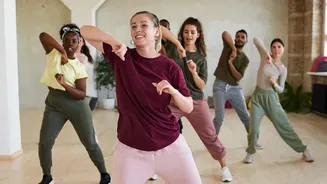
One of the most significant differences between the two activities is the social element. Running is often a solitary pursuit. While running clubs exist, the act itself is typically an individual one. This can be a major plus for those seeking 'me time'. Dancing, however, is frequently a social activity. Whether it's a Zumba class, a salsa night, or a ballroom lesson, dance often involves moving with others. This social connection can be a huge motivator. Having a community builds accountability and can turn exercise from a chore into a fun social outing, making it easier to maintain the habit over the long term. Partner dancing adds another layer, incorporating physical touch, which studies show can reduce stress and improve well-being.
Mind and Body Engagement
Running allows the mind to wander. Once you find your pace, the movement can become automatic, which is ideal for listening to podcasts or simply zoning out. Dance demands your full attention. Learning choreography, staying on beat, and coordinating your movements require significant mental focus. This cognitive engagement can be a major benefit, with some studies suggesting that mastering dance patterns may improve memory and problem-solving skills. This makes dancing a workout for both the brain and the body. Running, meanwhile, primarily works the cardiovascular system and lower body muscles, building endurance and strengthening bones as a weight-bearing exercise. Dance offers a full-body workout, engaging your core, arms, and legs through varied planes of motion.
Accessibility and Physical Impact
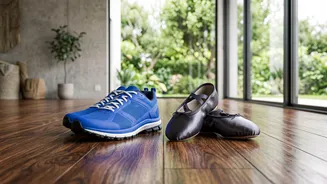
In terms of accessibility, running has a low barrier to entry: all you need is a pair of shoes. Dancing can be just as accessible, with countless free tutorials online that you can do at home. However, specific styles may require classes. In terms of physical impact, running is a high-impact activity, which is excellent for building bone density but can be tough on joints. Injury rates for runners can be significant. Dance offers more variety. Many forms, like ballroom, are low-impact and gentle on the body, making them suitable for people with limited mobility. Other styles, like high-intensity street dance, can be just as demanding as running, burning a comparable number of calories by forcing constant acceleration and deceleration. This variability allows you to choose a style that matches your fitness level and goals.
Building a Habit That Lasts
The key to a long-term exercise habit is consistency, which is fueled by enjoyment. While running often burns more calories per minute, the 'best' workout is the one you don't quit. For those driven by data, goals, and meditative solitude, the straightforward nature of running might be more sustainable. You can easily track your progress in distance and time. For those who crave variety, social interaction, and creative expression, dancing may be the superior choice for long-term adherence. The variety in music and styles prevents the monotony that can cause people to abandon repetitive gym routines. Ultimately, building a habit isn't just about willpower; it's about creating a routine that becomes automatic because it is rewarding. The social support and inherent fun of dancing often give it an edge in this department for many people.