





From Guidebooks to Endless Feeds
The journey to a holiday no longer begins with a decision, but with passive inspiration. Visually-driven platforms like Instagram and YouTube have become the new ground zero for travel dreams. According to reports, a significant majority of Indian travellers,
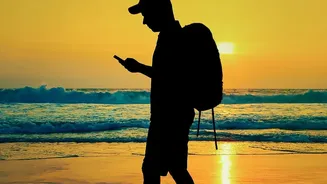
especially the youth, turn to these platforms before even deciding on a destination. Short-form videos on Reels and YouTube Shorts, showcasing stunning landscapes, unique cafes, or cultural festivals, can transform an unknown village into the internet's next must-visit spot overnight. This constant, ambient exposure to travel content means that by the time someone decides to take a trip, they often have a folder of saved posts and a visual mood board ready to go.
The Rise of the Digital Co-Traveller
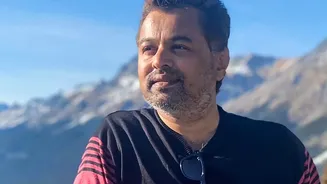
Travel influencers have emerged as one of the most powerful forces in the decision-making process. These digital storytellers are seen as more relatable and trustworthy than traditional advertising. They provide not just inspiration, but practical advice on itineraries, costs, local tips, and honest reviews, making a destination feel more accessible and 'doable'. Studies indicate that a high percentage of young Indian travellers have booked a destination or service after seeing it promoted by a social media influencer. In a country where community and peer recommendations hold significant weight, influencers act as trusted digital friends, guiding their followers on everything from which flight to book to what to order at a local eatery.
The DIY and Hyper-Personalised Trip
The sheer volume of online content has empowered a new generation of do-it-yourself (DIY) travellers. Armed with vlogs that detail every step of a journey and blogs that compare dozens of options, many Indians now prefer to build their own trips rather than opt for pre-set packages. This digital-first approach allows for hyper-personalisation. Travellers can curate trips that reflect their specific tastes, whether that's a foodie tour, an adventure-packed trek, or a quiet wellness retreat. For younger generations like Gen Z, travel has become a form of self-expression, and they actively seek out unique stays and offbeat locations that haven't gone viral yet.
From Inspiration to Booking
While social media is the engine of inspiration, the journey to booking is a multi-step digital process. After getting hooked by a Reel or vlog, travellers typically move to search engines to look up specifics like the best time to visit, accommodation, and logistics. This is where Online Travel Agencies (OTAs) and booking platforms play a crucial role. An overwhelming majority of Indian travellers now prefer to book their trips online. Trust becomes paramount in this phase, with users relying on reviews, transparent pricing, and clear policies before committing. The entire funnel, from a casual scroll to a confirmed booking, now happens almost entirely online, with different digital touchpoints serving distinct purposes.
The New Challenges: Authenticity and Overtourism
This new era is not without its challenges. The pressure to create 'Instagrammable' content has led to what some call performative travel, where the focus is on documenting the experience rather than living it. Furthermore, a single viral video can lead to overtourism, overwhelming fragile ecosystems and local communities in previously quiet destinations. As travellers become more digitally savvy, they also grow more aware of these issues. There's a rising concern about the authenticity of online content, with a growing need to critically evaluate reviews and influencer promotions that may be misleading.