



Why Humidity Is a Health Hazard
The rainy season's signature dampness and moisture in the air are not just uncomfortable; they are a significant food safety concern. High humidity accelerates the growth of bacteria, fungi, and moulds. These microorganisms thrive in moist environments,
and when combined with the warm temperatures typical of the Indian monsoon, they can multiply rapidly on food surfaces. This increases the risk of foodborne illnesses like gastroenteritis, food poisoning, and diarrhoea, which see a spike during this time of year. Leaving cooked food out, even for a short period, becomes much riskier than in drier seasons.
Follow the Two-Hour Rule Religiously
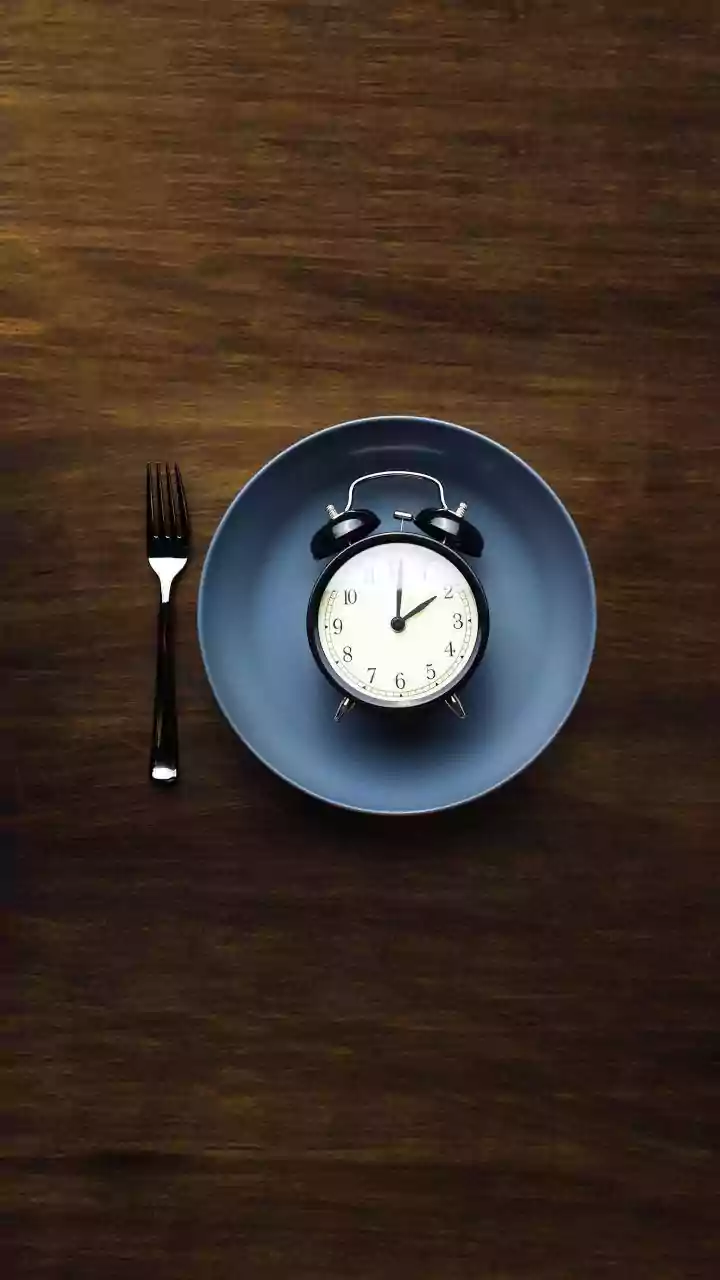
One of the most critical food safety principles is the "two-hour rule." This guideline states that perishable food should not be left at room temperature for more than two hours. During the hot and humid monsoon, this window shrinks even further. Bacteria grow fastest in the temperature “danger zone” between 4°C and 60°C. To keep leftovers safe, they must be refrigerated as quickly as possible after cooking, ideally once they've cooled down slightly. Leaving a pot of dal or a bowl of rice on the kitchen counter overnight is a dangerous gamble, as it provides the perfect conditions for harmful bacteria to flourish.
Master the Art of Smart Storage
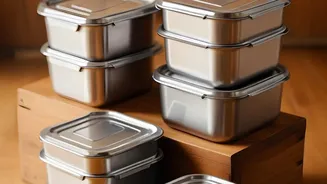
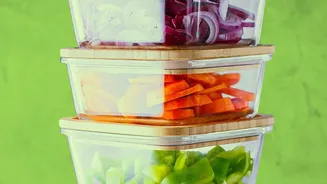
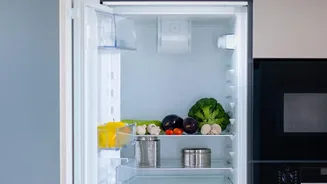
Proper storage is your best defence against spoilage. Always use clean, dry, and airtight containers to store leftovers. This prevents moisture from the air from getting in and stops odours and bacteria from spreading inside the fridge. It's also wise to divide large batches of food into smaller, shallow containers before refrigerating. This helps the food cool down faster, moving it out of the temperature danger zone more quickly. Ensure your refrigerator is set at or below 4°C and isn't overstuffed, as good air circulation is essential for maintaining a consistent, safe temperature.
Reheat Thoroughly and Safely
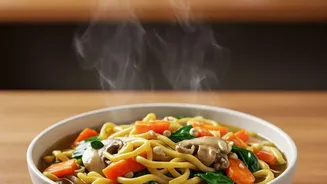
When it's time to eat your leftovers, simply warming them up isn't enough. Food must be reheated thoroughly to an internal temperature of at least 74°C (165°F) to kill any bacteria that may have developed during storage. For liquids like soups, sauces, and gravies, bring them to a rolling boil. If using a microwave, cover the food to retain moisture and ensure it heats evenly, stirring it midway through. It is important to note that while proper reheating kills active bacteria, it may not eliminate toxins produced by certain bacteria if the food was left out for too long before being refrigerated.
When in Doubt, Throw It Out
Your senses are a good first indicator of spoilage. If leftovers have an off-smell, a slimy texture, or any visible signs of mould, discard them immediately without tasting. However, dangerous bacteria can be present without any obvious signs. As a general rule, most refrigerated leftovers should be consumed within 3 to 4 days. Be particularly cautious with high-risk foods like cooked rice, dairy products, and meat dishes, as they support bacterial growth more readily. The safest approach is always: when in doubt, throw it out.
Maintain Overall Kitchen Hygiene
The safety of your leftovers also depends on the cleanliness of your kitchen. During the monsoon, it's crucial to keep kitchen surfaces, cutting boards, and utensils clean and dry to prevent cross-contamination. Wash your hands thoroughly with soap and water before handling food, and ensure your refrigerator is cleaned regularly to prevent mould growth. Keeping your kitchen well-ventilated can also help reduce the overall humidity in the air, making it a less hospitable environment for microbes.