



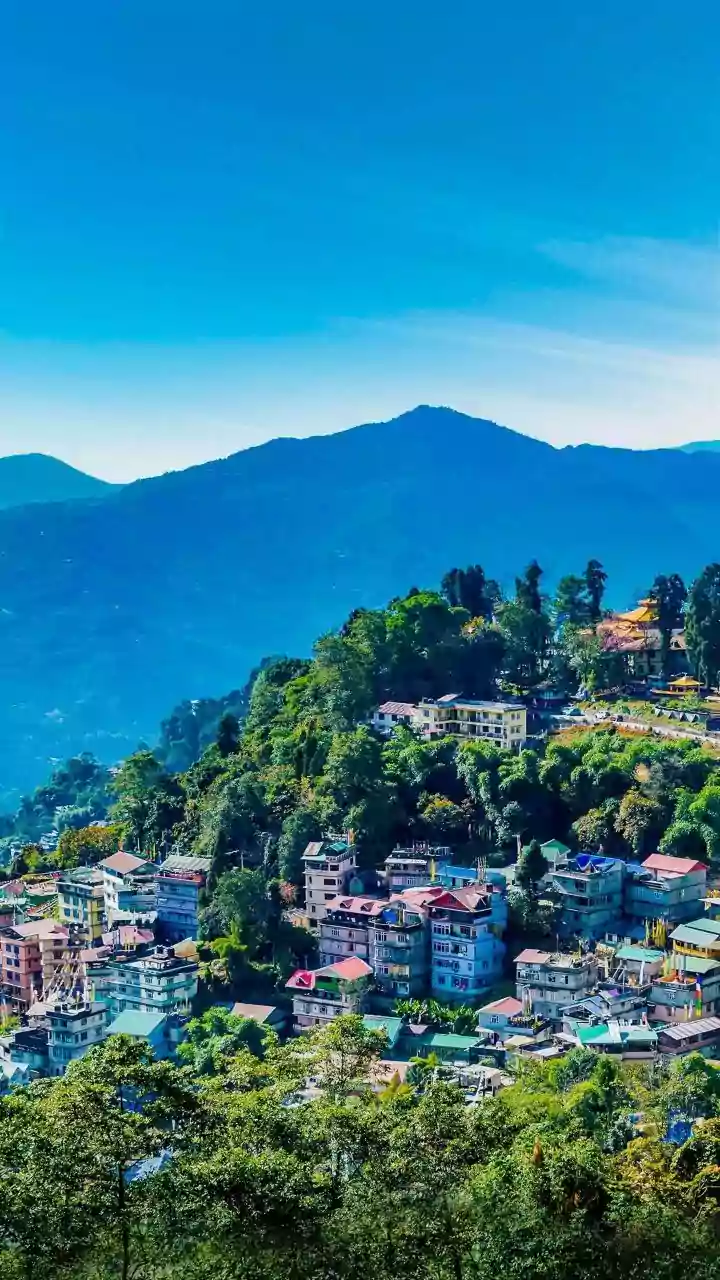

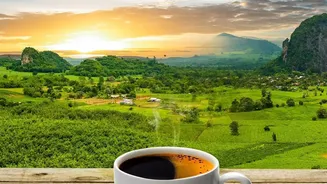
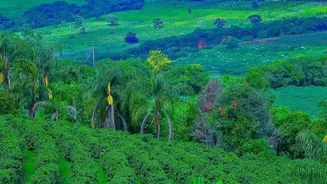
The New Office With a View
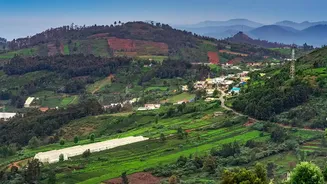
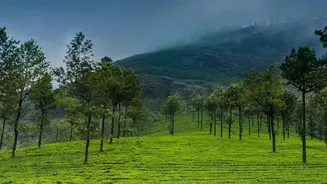
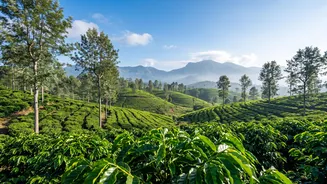
Forget cramped city apartments and noisy cafes. A growing number of Indian professionals are swapping their urban desks for the rolling hills and verdant landscapes of Coorg. This migration is fueled by the rise of remote work, which has allowed thousands
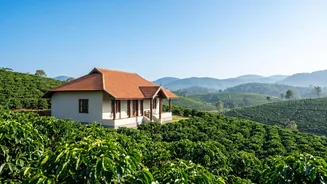
to untether themselves from a physical office. While destinations like Goa and the Himalayas have long been popular, Coorg is emerging as a top contender for those seeking tranquility without sacrificing productivity. Digital nomads, from IT professionals to content creators, are finding that the region's serene environment offers the perfect antidote to corporate burnout. Estate owners and homestay operators have been quick to recognize this shift, pivoting to cater to a new kind of tourist—one who stays longer and works during the week.
From Patchy Networks to Fiber Speeds
Just a few years ago, the idea of conducting seamless video calls from a remote coffee estate would have been unthinkable. The game-changer has been the aggressive expansion of high-speed internet infrastructure into rural areas. Companies like Jio and Airtel, alongside local providers, have rolled out fiber optic networks across the Kodagu district, bringing reliable, high-speed connectivity to once-isolated plantations. Several homestays and resorts now explicitly advertise 'Fibre Internet' or 'High-Speed WiFi' as a core amenity, guaranteeing speeds that can handle video conferencing, large file transfers, and other demanding online tasks. This technological leap is the critical enabler, making the dream of working from a picturesque plantation a practical reality.
A Win-Win for Nomads and Estates
This trend offers a symbiotic relationship. For digital nomads, Coorg provides an inspiring and cost-effective alternative to expensive city living. Accommodation aggregators list numerous 'workation-ready' properties, complete with dedicated workspaces and power backup, often at a fraction of the cost of a metropolitan rental. For the local economy, this influx represents a valuable new revenue stream. Coffee estates, traditionally reliant on fluctuating crop yields, can now generate steady income from long-stay guests. This helps diversify their business model, making them more resilient. The trend also supports a wider ecosystem of local cafes, transport services, and tour operators, providing a year-round boost that goes beyond the typical tourist seasons.
The Reality Behind the Instagram Post
While the lifestyle is idyllic, it’s not without its challenges. The monsoon season, from June to September, can bring heavy rains and frequent power outages. While many establishments offer power backups like inverters or generators, connectivity can still be tested when trees fall on distribution lines. Aspiring nomads need to do their research and choose properties close to towns for better reliability. Furthermore, as the trend grows, there is a looming question of sustainability. The challenge will be to manage this new wave of visitors without succumbing to over-commercialization, which could threaten the very peace and natural beauty that draws people to Coorg in the first place.