


The Great Mithai Makeover
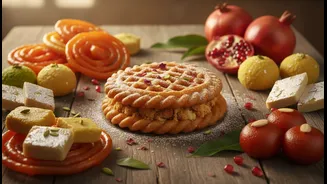
For years, the Indian sweet landscape was dominated by a handful of ubiquitous offerings, often mass-produced and uniformly sweet. While beloved, the nuanced and diverse world of Indian confectionery was often overlooked. Now, a renaissance is underway.
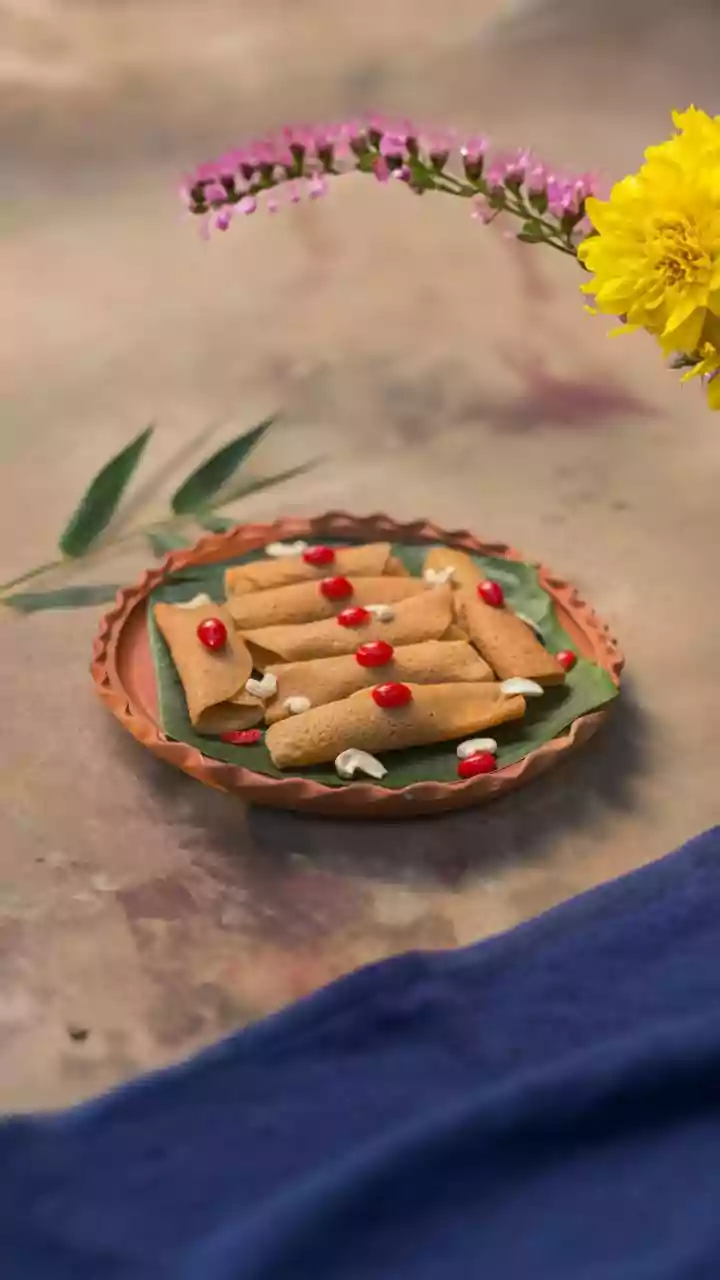
Artisanal mithai brands and innovative chefs are challenging the status quo, turning sweets into canvases for creativity. This isn't just about new flavours; it's a fundamental shift in philosophy. The focus is moving from industrial-scale production to mindful craftsmanship, where quality ingredients and traditional techniques are paramount. This movement is reimagining mithai not as a generic commodity, but as a luxury product steeped in culture and artistry.
A Delicious Return to Roots
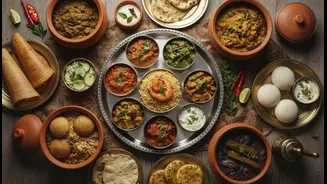
One of the most exciting aspects of this trend is the revival of regional specialties. India's culinary map is incredibly diverse, with every state and even district boasting its own unique sweets. For too long, many of these local gems remained hidden. Today, chefs and entrepreneurs are travelling to remote corners of the country to unearth forgotten recipes and celebrate hyperlocal traditions. This has led to a resurgence of interest in sweets like the Daulat ki Chaat from Old Delhi, an ethereal milk-foam dessert, and the flaky chiroti pastry from Karnataka and Maharashtra. By championing these regional heroes, the new-age halwais are preserving culinary heritage and offering a taste of India's rich diversity.
Eating with the Seasons
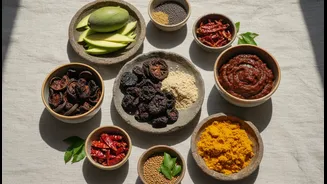
The new mithai movement is deeply connected to nature's calendar. Instead of relying on artificial flavours, makers are embracing the vibrant tastes of seasonal produce. Summer might bring sweets infused with Alphonso mangoes, while winter is a time for warming creations featuring nolen gur (date palm jaggery), sesame, and winter carrots for gajar ka halwa. This seasonal approach not only ensures the freshest, most flavourful ingredients but also re-establishes a connection to agricultural cycles that has always been central to Indian cuisine. From wild berries and floral infusions like rose and saffron to using fresh coconut and figs, this focus on seasonality makes every bite a reflection of a specific time and place.
Every Sweet Tells a Story
What elevates a simple sweet into a memorable experience? A compelling story. Modern mithai makers are mastering the art of narrative, weaving tales of origin, family history, and cultural significance into their creations. A box of sweets is no longer just a gift; it's an edible piece of history. Whether it’s a recipe passed down through generations, the story of a specific ingredient's journey, or a modern interpretation inspired by a personal memory, this narrative element adds a new layer of depth and emotional resonance. Brands like Bombay Sweet Shop and Khoya have been instrumental in this, creating sweets that are not only delicious but also conversation starters, connecting consumers to the culture and craftsmanship behind the product.
The Future of Indian Sweets
This movement is more than just a passing trend; it reflects a broader cultural shift towards authenticity, wellness, and local pride. Many artisanal brands are also innovating with healthier options, using natural sweeteners like jaggery and dates, or creating vegan and gluten-free versions of classic sweets. By blending tradition with contemporary techniques and a global design aesthetic, these innovators are ensuring that Indian mithai not only survives but thrives. They are creating a new identity for Indian sweets on the world stage—one that is sophisticated, diverse, and deeply rooted in its culture, proving that the future of Indian dessert is as rich and flavourful as its past.