






An Ambitious Goal Meets a Skills Shortage
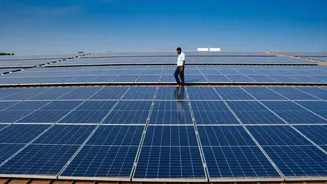
India's push for renewable energy is not just about policy; it is about massive, tangible targets. The PM-Surya Ghar scheme alone aims to equip ten million homes with rooftop solar, a move projected to create a demand for around 100,000 skilled technicians.
However, the country faces a significant challenge: a shortage of workers with the specific skills needed for the job. Solar installation is not as simple as general electrical work. It requires expertise in site assessment, mounting structures on different roof types, proper wiring of PV modules, and commissioning inverters, all while adhering to strict safety protocols. Industry reports have consistently flagged this skills gap as a major barrier to widespread solar adoption, noting that the poor quality of some existing training programs fails to meet industry needs.
Inside the Solar Training Academy
To bridge this gap, a network of training institutions, often supported by the government and industry partners, is emerging. A key player in this is the Skill Council for Green Jobs (SCGJ), which develops National Occupational Standards for roles like 'Solar PV Installer'. The flagship 'Suryamitra' program, initiated by the National Institute of Solar Energy (NISE), is a prime example. These residential programs, typically lasting around three months or 600 hours, are designed to be intensive. The curriculum is a blend of classroom theory and, crucially, extensive hands-on practice. Trainees learn everything from the fundamentals of solar energy to the specifics of system design, installation, troubleshooting, and maintenance, with a strong emphasis on safety and entrepreneurship skills. The goal is to produce job-ready technicians who can deliver quality installations.
Forging a Green-Collar Workforce
These academies are more than just technical schools; they are engines of employment. Many programs specifically target unemployed youth, women, and individuals from rural backgrounds, offering them a pathway to a green-collar career. Upon certification by bodies like the SCGJ, graduates are qualified for several roles. An entry-level installer or technician can expect to earn between ₹1.8 lakh and ₹3.0 lakh per year, with significant room for growth. With experience, they can advance to roles like installation supervisor, solar designer, or operations and maintenance specialist, with salaries increasing accordingly. Some programs, like the recently launched India-Australia Rooftop Solar Training Academy, have a specific focus on empowering women and youth, aiming to train thousands of new technicians.
Challenges and the Road Ahead
Despite progress, challenges remain. Ensuring consistent, high-quality training across a wide network of partner institutes is a constant effort. Companies still report that finding skilled labour is difficult and often rely on their own in-house training. Furthermore, the solar industry itself faces hurdles like complex regulations and supply chain issues, which can indirectly affect workforce demand and stability. However, the commitment to skilling remains strong. Government bodies and private players are collaborating to refine curricula and expand training capacity. Some initiatives are even using a 'hub-and-spoke' model to extend training from central universities to smaller institutes, ensuring wider reach. The focus is clear: building a robust, well-trained workforce is not just an option, but a necessity for India's energy transition.