


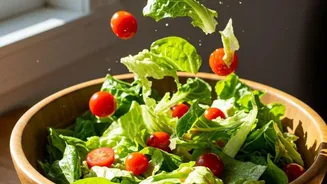
The Science of a Soggy Salad
The primary enemy of a crisp salad is water. It might seem counterintuitive, as plants need water to live, but excess surface moisture is what leads to wilting. Leafy greens are made of cells filled with water; this is what makes them firm and crisp.
However, when greens sit in pools of water or are coated in dressing for too long, a process called osmosis kicks in. The salt in dressings, in particular, is a major culprit, drawing moisture out of the leaf cells. This causes the cells to lose their structural integrity, turning your once-perky greens into a limp, soggy mess. Understanding this simple science is the first step toward building a better salad.
The Foundation: Perfectly Dry Greens
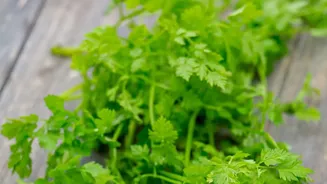
The single most important step for a crisp salad is ensuring your greens are completely dry after washing. Even a small amount of lingering water will accelerate wilting and prevent dressing from clinging properly to the leaves. A salad spinner is the most efficient tool for this job, using centrifugal force to wick away water. If you don't own one, you have other options. You can gently pat the leaves dry between layers of clean kitchen towels or paper towels. For a more rustic approach, place washed greens in the center of a clean towel, gather the corners, and swing it around your head outdoors to fling the water off. No matter the method, don't skip this crucial step.
Managing High-Moisture Ingredients
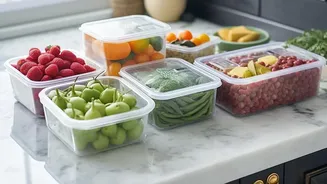
Many classic salad ingredients are full of water. Toppings like tomatoes and cucumbers can quickly turn a salad soggy if not handled correctly. For meal prepping, consider using cherry or grape tomatoes whole to keep their juices contained. If you must slice larger tomatoes, try scooping out the watery seeds first. With cucumbers, you can slice them and lightly salt them, letting them sit for about 15 minutes to draw out excess water before patting them dry. It’s also wise to store these high-moisture ingredients separately and add them to your salad just before eating, especially if you're packing it for lunch.
The Dressing Dilemma
Dressing is a notorious cause of sogginess. Because of the salt and acids (like vinegar or citrus juice) they contain, dressings are designed to break down ingredients and meld flavors, which unfortunately includes wilting delicate greens. The golden rule is to dress your salad immediately before serving. If you're preparing a salad to go, store the dressing in a separate small container. For salads in a jar, a clever trick is to layer the dressing on the very bottom, followed by hard, non-absorbent vegetables, then proteins or grains, and finally, the delicate greens on top. This creates a barrier, keeping the greens safe until you're ready to shake and mix everything together.
Strategic Topping and Assembly
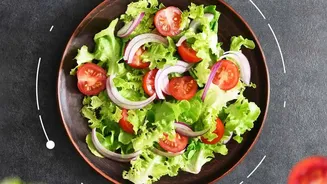
This brings us back to the headline: it’s not that toppings are bad, but their selection and timing are critical. Crunchy elements like nuts, seeds, and croutons should always be stored separately and added at the very last moment to preserve their texture. Adding them too early allows them to absorb moisture from other ingredients and become soft. The same goes for proteins like grilled chicken or hard-boiled eggs; store them in their own container. When assembling your masterpiece, think in layers. Start with your dry greens, add heartier vegetables, then your proteins, and finish with the crunchiest toppings and dressing right before you take your first bite. This strategic assembly guarantees every component stays as it should be: crisp, fresh, and delicious.