

The Golden Rule: Pack It In, Pack It Out
The foundational principle of eco-friendly camping is 'Leave No Trace', which is even more critical in winter. This starts with a simple commitment: everything you carry into the mountains, you must carry out. This includes all food wrappers, plastic
bottles, broken gear, and any other non-biodegradable waste. In the extreme cold of the Himalayas, decomposition slows dramatically or stops altogether. A single plastic wrapper or bottle left behind can remain frozen in the landscape for years, polluting the environment and posing a threat to wildlife. Before your trek, reduce potential waste by repackaging food into reusable containers to minimise single-use plastics.
Mastering Waste in the Cold
Proper waste management goes beyond just plastics. Many people assume that organic waste like fruit peels and leftover food will simply decompose. However, in a high-altitude winter environment, these items can persist for a long time, attracting wildlife and altering their natural foraging habits. Animals that become accustomed to human food can become a nuisance or a danger. Therefore, all food scraps must be packed out. For human waste, the challenge is greater. The frozen ground often makes it impossible to dig a proper cathole (a hole 6-8 inches deep). The best practice in such conditions is to use commercial W.A.G. (waste alleviation and gelling) bags to pack out solid human waste. If that's not possible, waste must be deposited far from water sources, trails, and campsites—at least 200 feet away.
Choose Your Campsite Wisely
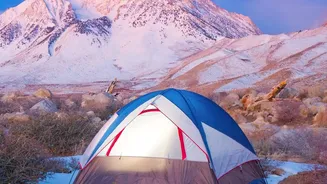
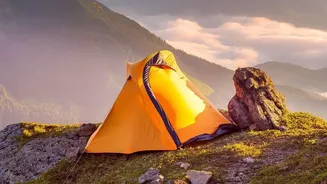
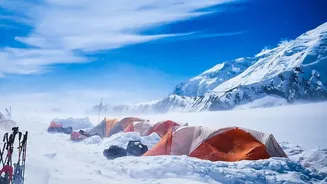
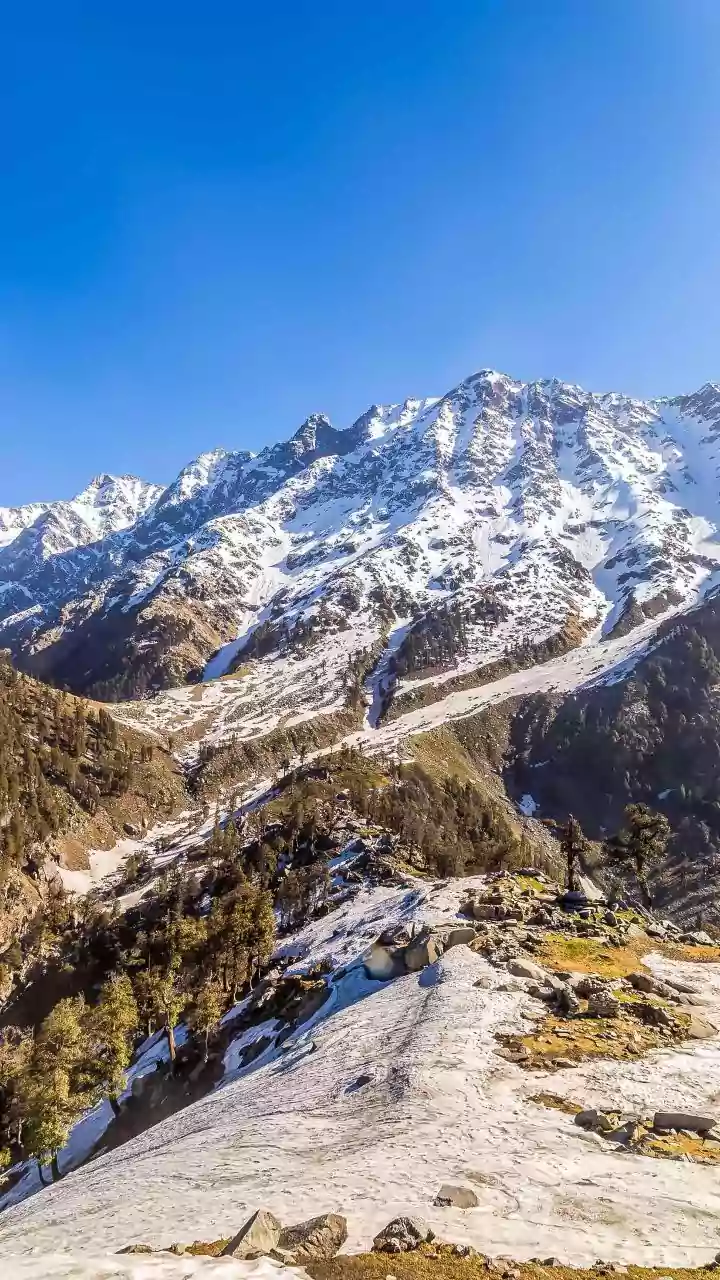
Where you pitch your tent matters. The ideal surface for a winter campsite is deep snow, which acts as a durable buffer, protecting the dormant vegetation underneath. A guideline is to camp on snow that is at least 6-8 inches deep. Avoid setting up camp on thin snow where you might damage fragile alpine meadows. Good campsites are found, not made, so never alter a site by cutting vegetation or moving rocks. It's also critical to set up camp at least 200 feet (about 70 steps) away from any water sources, even if they are frozen. This prevents accidental contamination of streams and lakes when the spring thaw begins.
Mindful Cooking and Water Practices
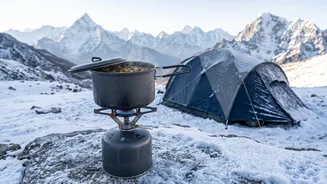
Campfires are generally inappropriate and often forbidden in high-alpine environments. There is no wood to burn above the treeline, and fires can leave permanent scars on the landscape. Always use a fuel-efficient stove for cooking. When washing dishes or yourself, carry water 200 feet away from the source and use small amounts of biodegradable soap, if any. Strain your dishwater to catch any food particles—which you should pack out—and then scatter the strained water broadly. This prevents a single spot from becoming polluted and attracting animals.
Respect Wildlife and Local Culture
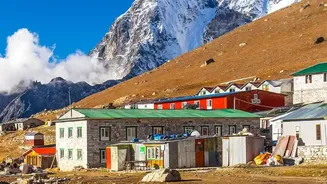
Winter is a particularly vulnerable time for animals. They are surviving on limited resources, and any disturbance can be costly. Observe all wildlife from a distance; never follow or approach them. Secure your food and rubbish properly to ensure animals cannot access them. Beyond the natural environment, responsible trekking involves supporting the local communities that call the Himalayas home. Whenever possible, purchase local goods and employ local guides. This contributes directly to the local economy and fosters a positive relationship between visitors and residents, ensuring that tourism remains a sustainable and welcome industry.