



The Challenge of Urban Stargazing
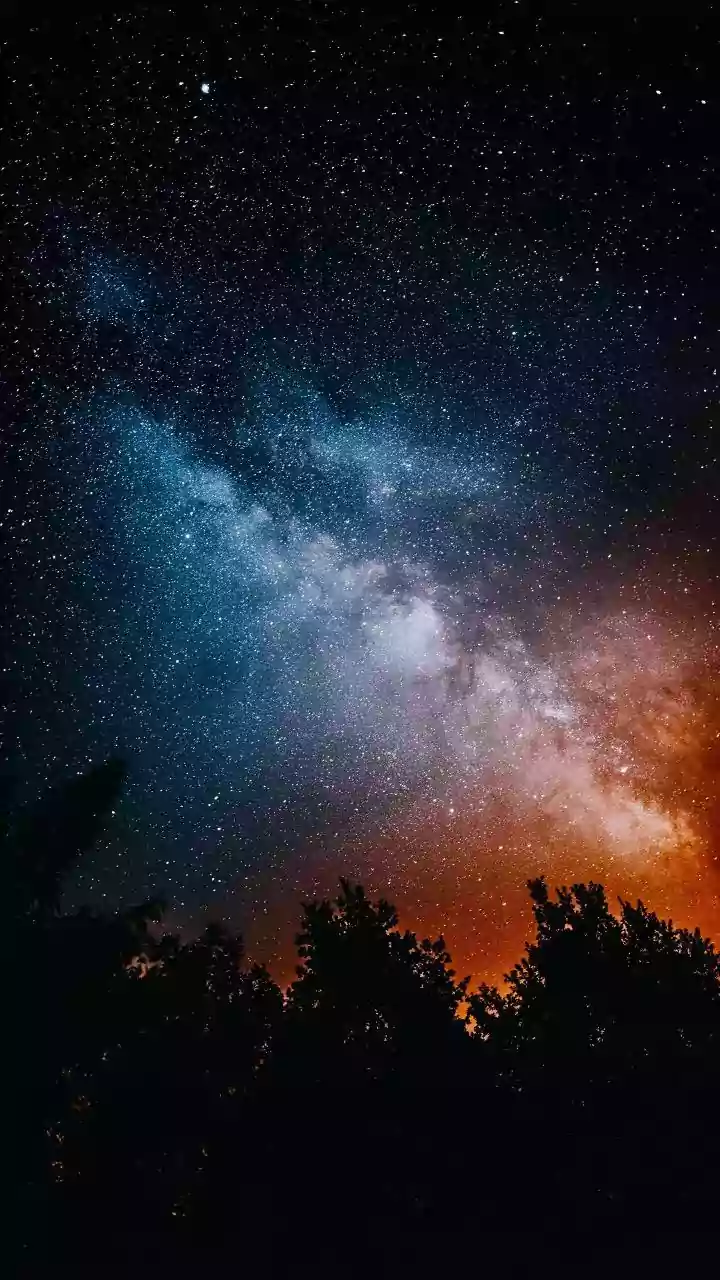
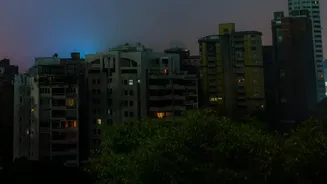
For anyone living in a city, the biggest obstacle to enjoying the night sky is light pollution. The constant glare from streetlights, buildings, and cars creates a phenomenon known as 'sky glow', which drowns out all but the brightest celestial objects.
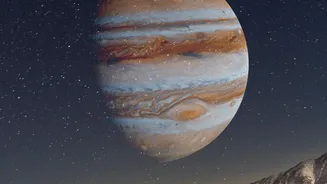
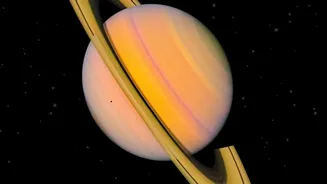
This can make stargazing feel like a futile effort, leaving urban dwellers feeling disconnected from the universe. But while it's true that faint nebulae and distant galaxies are largely invisible, the Moon and bright planets like Jupiter and Saturn are powerful enough to shine through the haze. The problem isn't that they are not there; it's knowing exactly where to look.
Your Smartphone is a Pocket Planetarium
This is where your smartphone transforms from a daily device into a powerful astronomical tool. A new generation of stargazing apps effectively places a full-featured planetarium right in your hands. These applications are designed for everyone, from curious beginners to seasoned amateurs, and they solve the urban stargazer's primary problem by demystifying the sky. Instead of needing complex star charts, these apps provide an interactive, real-time map of the cosmos above you.
The Magic Behind the Screen
The secret to these apps is how they harness the technology already built into your phone. They use your device's GPS to determine your precise location, date, and time. Then, by accessing the internal compass and gyroscope, the app knows exactly which direction you're pointing the phone. The magic happens when it combines this data with a vast catalogue of celestial objects. The app generates an accurate map of the sky from your vantage point and overlays it onto your screen, often using augmented reality (AR) to blend the star map with your camera's view. Point your phone at a bright dot, and the app will tell you if you are looking at a star or a planet.
Great Apps to Get You Started
There are many excellent apps available, with several offering fantastic free versions. Star Walk 2 is often recommended for beginners due to its beautiful interface and ease of use. SkyView is another popular choice, praised for its straightforward augmented reality and detailed information. For those wanting a highly realistic sky simulation, Stellarium Mobile is a long-standing favorite among astronomers and offers an incredibly detailed database of stars and planets. Most free versions are more than enough to get you started on your planetary hunt.
Finding Saturn and Jupiter Tonight
So, how do you find the gas giants? Open your chosen app and use the search function, which is usually marked with a magnifying glass icon. Type in "Saturn" or "Jupiter". The app will then display an arrow or guide on your screen, directing you where to move your phone. As of late September 2026, Saturn rises a few hours after sunset and is visible for most of the night, identifiable by its yellowish hue. Jupiter makes its appearance in the pre-dawn sky, shining brightly in the east. Simply follow the app's guide, pointing your phone towards the sky until the on-screen marker aligns with the planet. You might be surprised to find it's one of the brightest points of light you can see.
Tips for a Better Viewing Experience
Even with an app, a few extra steps can enhance your urban stargazing. First, give your eyes time to adapt to the dark; it takes about 20 minutes for them to become more sensitive to faint light. If possible, find a spot away from the direct glare of streetlights, like a park, a rooftop, or even just the darkest corner of your own backyard. Many apps also feature a red-light 'night mode', which helps preserve your night vision while you use your phone. And remember, planets shine with a steady light, while distant stars tend to twinkle. This simple trick can help you confirm what your app is telling you.