



The Fast and Furious: What is HIIT?
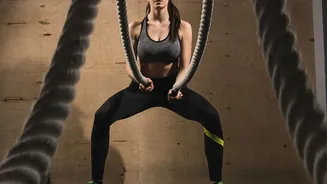
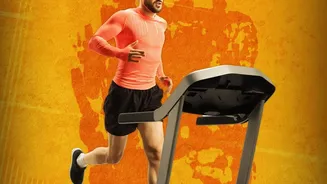
High-Intensity Interval Training (HIIT) involves short, explosive bursts of exercise followed by brief recovery periods. Think 30 seconds of sprinting on a treadmill or doing burpees at full throttle, then 60-90 seconds of walking or complete rest, repeated
for about 15 to 25 minutes. The goal is to push your heart rate to 85-95% of its maximum during the intense intervals. This 'all-out' approach makes HIIT incredibly time-efficient, a huge plus for busy professionals.
The Slow and Steady: What is LISS?
Low-Intensity Steady-State (LISS) is the opposite. It involves performing a cardiovascular activity at a consistent, moderate pace for a longer duration, typically 30 to 60 minutes. Examples include a brisk walk, a leisurely cycle, or a steady session on the elliptical. During a LISS workout, your heart rate should remain in a lower zone, around 50-65% of your maximum, where you can comfortably hold a conversation. It's less demanding on the body and often feels more meditative.
The Verdict on Time Commitment
For the time-starved desk worker, HIIT seems like the obvious winner. A 20-minute HIIT session can offer similar, if not superior, cardiovascular benefits to a 45-minute LISS workout. This efficiency is a game-changer when you're juggling deadlines and long work hours. However, LISS offers flexibility. A 45-minute walk can be broken up throughout the day or integrated into your commute, making it easier to fit into a packed schedule without needing to change clothes or hit the gym.
Fat Burning and the 'Afterburn' Effect
Both methods are effective for fat loss, but they work differently. HIIT burns more total calories per minute and triggers a phenomenon called Excess Post-Exercise Oxygen Consumption (EPOC), or the 'afterburn' effect. This means your metabolism stays elevated for hours after your workout, burning extra calories even while you're back at your desk. LISS, on the other hand, uses a higher percentage of fat for fuel during the workout itself. While HIIT has the edge in calorie burn per minute, a longer LISS session can add up to a significant total calorie expenditure.
Injury Risk and Recovery
This is a crucial factor for anyone starting a fitness routine after a long period of inactivity. HIIT is high-impact and high-stress, which increases the risk of joint or muscle injuries, especially for beginners. Due to its intensity, your body needs more time to recover, with experts recommending only 2-3 HIIT sessions per week. LISS is much gentler on the joints and requires less recovery time, making it a safer option for beginners and something you can do more frequently. It's also excellent for active recovery days after a more strenuous workout.
How to Choose What's Right for You
The best cardio is the one you'll actually stick with. Your choice should depend on your goals, fitness level, and lifestyle. Choose HIIT if: - You are extremely short on time and need maximum efficiency. - You enjoy pushing yourself and find intense workouts motivating. - You have some base fitness and are not prone to joint issues. Choose LISS if: - You are a beginner or returning to exercise after a break. - You have joint pain or are concerned about injuries. - You prefer a more relaxing, less stressful form of exercise you can do daily. - Your main goal is to build endurance for activities like running a 10k. Many experts believe the ideal solution is to combine both. For example, you could schedule two HIIT sessions per week for a metabolic boost and two or three LISS sessions for steady fat burning and active recovery.