






A New Player Enters the Launch Pad
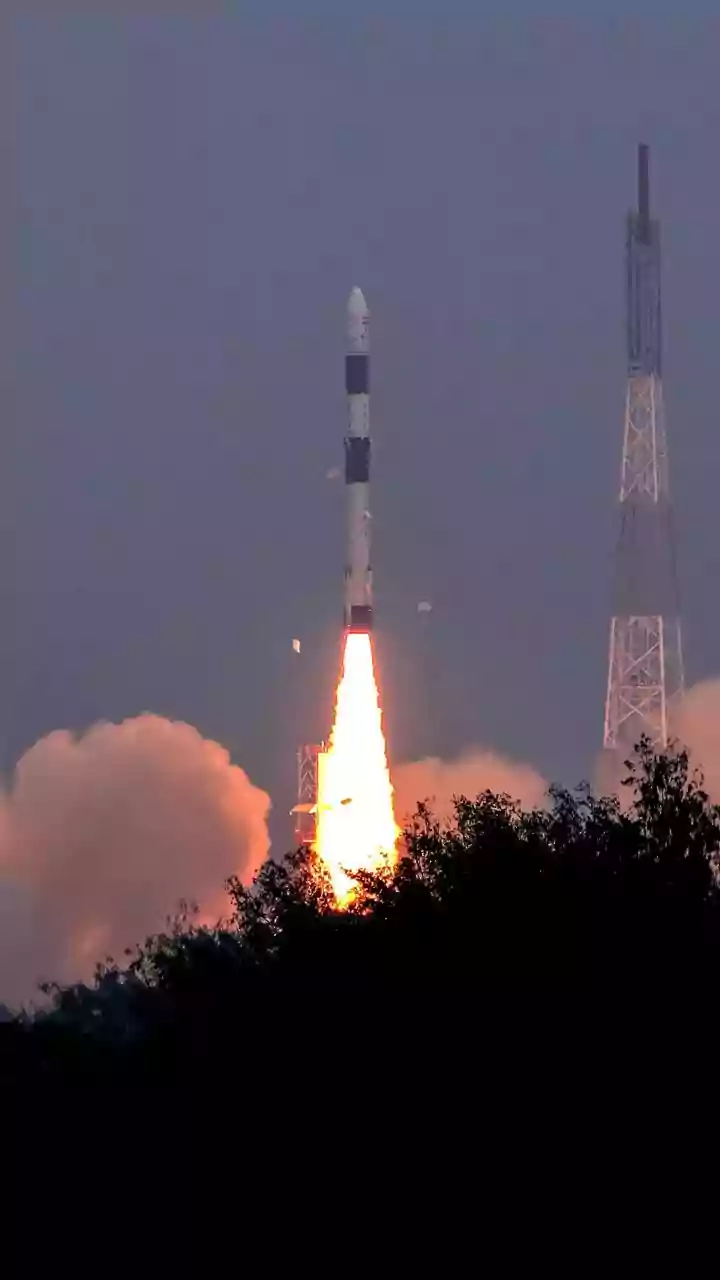
The focus of India's space ambitions is currently fixed on Sriharikota, where the country's first privately developed orbital-class rocket, Vikram-1, is preparing for its maiden flight. Developed by Hyderabad-based startup Skyroot Aerospace, the launch
is a monumental step for India's burgeoning private space industry. The company has announced a launch window between July 12 and August 4, 2026, for this historic flight, codenamed 'Mission Aagaman', which translates to 'Arrival'. This mission isn't just another launch; it represents the arrival of private enterprise in a domain previously dominated by the state-run Indian Space Research Organisation (ISRO). If successful, Skyroot will join a select group of global companies capable of developing and operating orbital rockets, cementing India's place on the world's commercial space map.
Under the Hood: What Makes Vikram-1 Special?
Named after Vikram Sarabhai, the father of India's space program, the Vikram-1 is a seven-storey, multi-stage vehicle designed with efficiency and innovation in mind. It's built with an all-carbon composite structure, making it lightweight, and is powered by a combination of solid and liquid propulsion systems. Notably, it incorporates advanced technologies like 3D-printed engines, which allow for rapid manufacturing and iteration. The rocket is designed to carry small satellites, with a payload capacity of up to 350 kg, into Low Earth Orbit. This capability is crucial for the booming global market of small satellite deployment for communications, earth observation, and scientific research. According to its founders, the entire rocket is 100% designed and manufactured in India.
More Than Just a Rocket Launch
The significance of Vikram-1 extends far beyond its technical specifications. Its launch is the culmination of policy shifts initiated in 2020 to open India's space sector to private players. The creation of IN-SPACe (Indian National Space Promotion and Authorization Centre) as a single-window agency was designed to facilitate and regulate private participation, moving companies from being mere vendors for ISRO to independent players. This strategic move aims to boost India's share of the global space economy from its current 2% to a projected 8-10% by 2033. By allowing private firms to handle commercial launches, ISRO can free up its resources to focus on deep-space exploration, national security projects, and cutting-edge scientific research.
The Team Behind the Dream
Skyroot Aerospace was founded in 2018 by former ISRO scientists Pawan Kumar Chandana and Naga Bharath Daka. They have already tasted success with the launch of Vikram-S in November 2022, a suborbital rocket that became the first privately built rocket to reach space from Indian soil. That mission served as a crucial validation of their core technologies. Now, with Vikram-1, they are taking the next giant leap into orbital flight. The upcoming 'Mission Aagaman' will be a partially commercial flight, carrying payloads for both domestic and international customers, with plans to commence full commercial operations after one or two successful demonstration flights.
The Countdown to History
As the final checks and integrations happen at the launch pad in Sriharikota, the entire nation and the global space community watch with anticipation. The primary goal of this first flight is to capture critical in-flight performance data on everything from propulsion and stage separation to navigation and control. This real-world data is invaluable and cannot be fully replicated through ground testing. As Skyroot's CEO Pawan Kumar Chandana stated, the moment Vikram-1 lifts off, India's private space industry will cross a threshold it has never crossed before. The launch isn't just about placing satellites in orbit; it's about launching a new era of innovation, commerce, and ambition for India in the final frontier.