
Earth's Hostile Twin
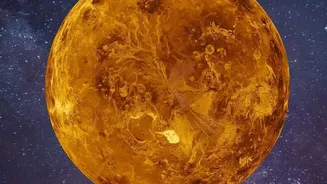
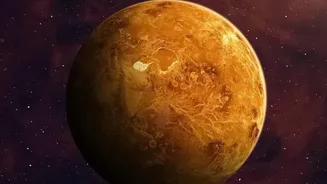
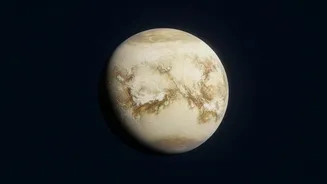
Venus is often called Earth’s sister planet because of its similar size and density. But the comparison ends there. It is the hottest planet in our solar system, with surface temperatures that can melt lead. Its atmosphere is a toxic blend of over 96%
carbon dioxide, with clouds of sulphuric acid, creating a runaway greenhouse effect. The atmospheric pressure at the surface is more than 90 times that of Earth's, which is similar to the pressure a kilometre deep in our oceans. This extreme environment makes Venus a fascinating natural laboratory. Understanding how and why it became so inhospitable is a top priority for planetary scientists, as it could hold crucial lessons about planetary evolution and climate change here on Earth.
ISRO's Toolkit for the Clouds
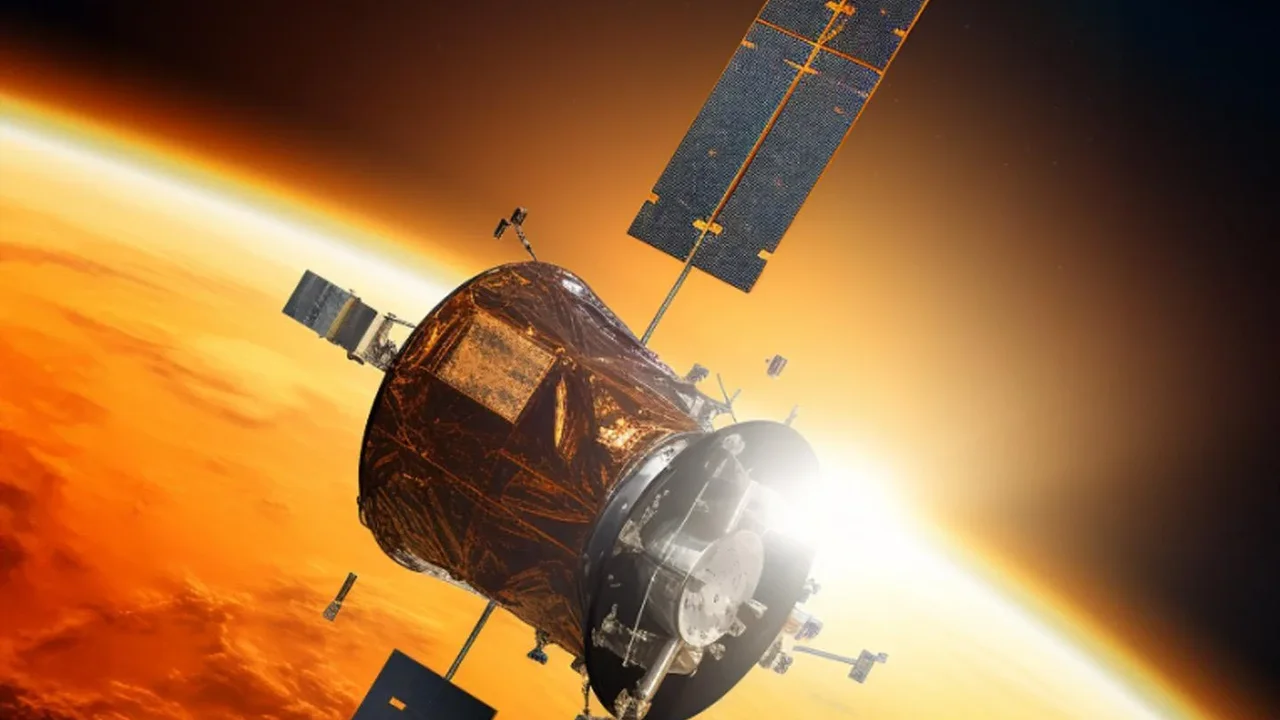
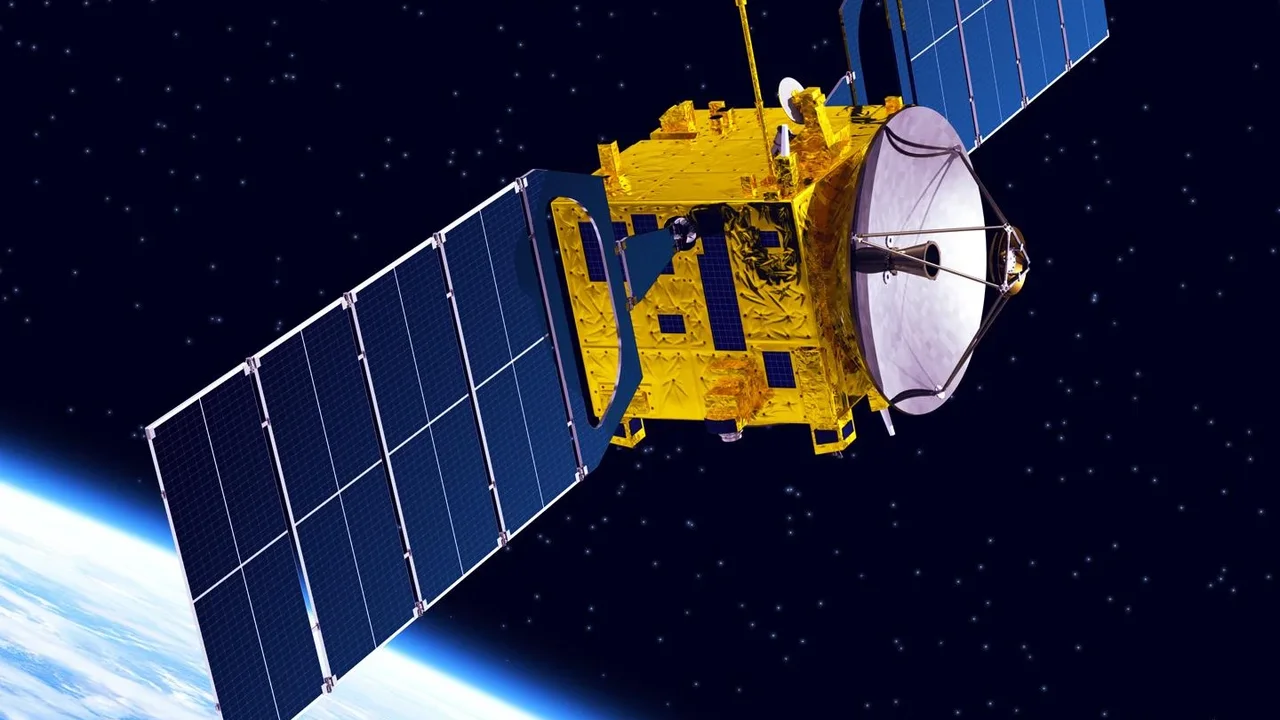
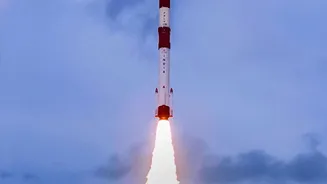
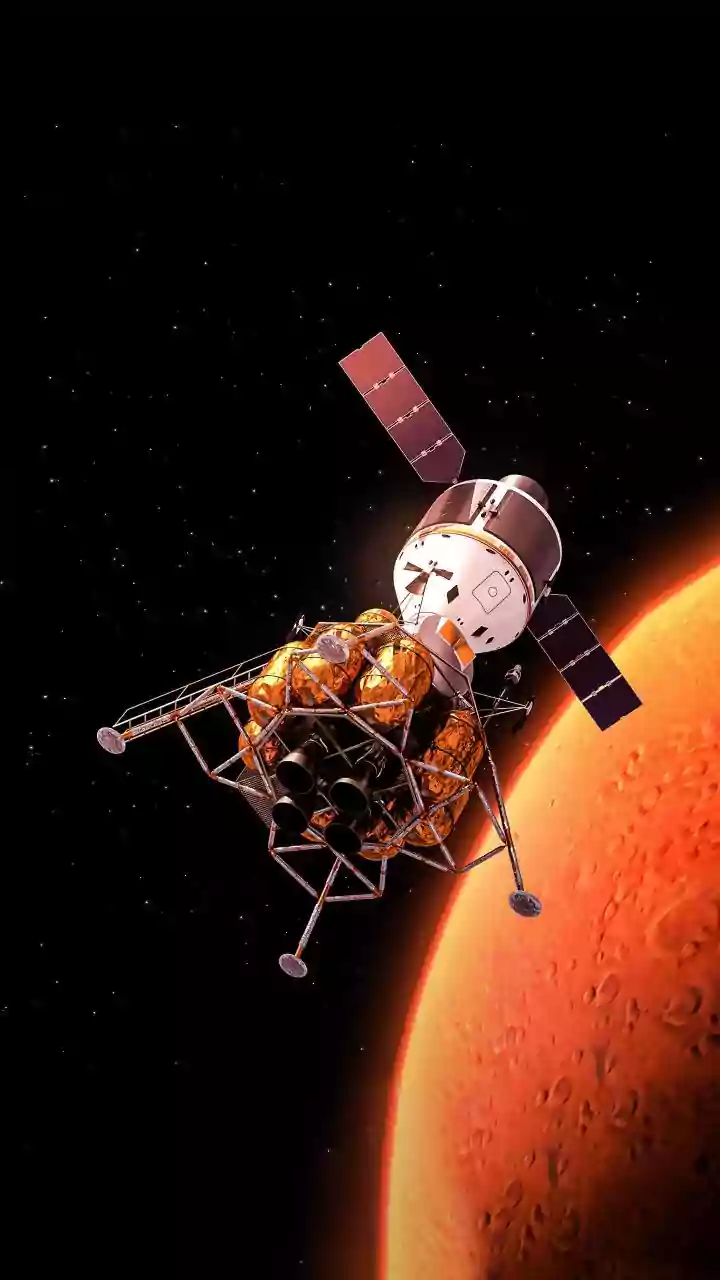
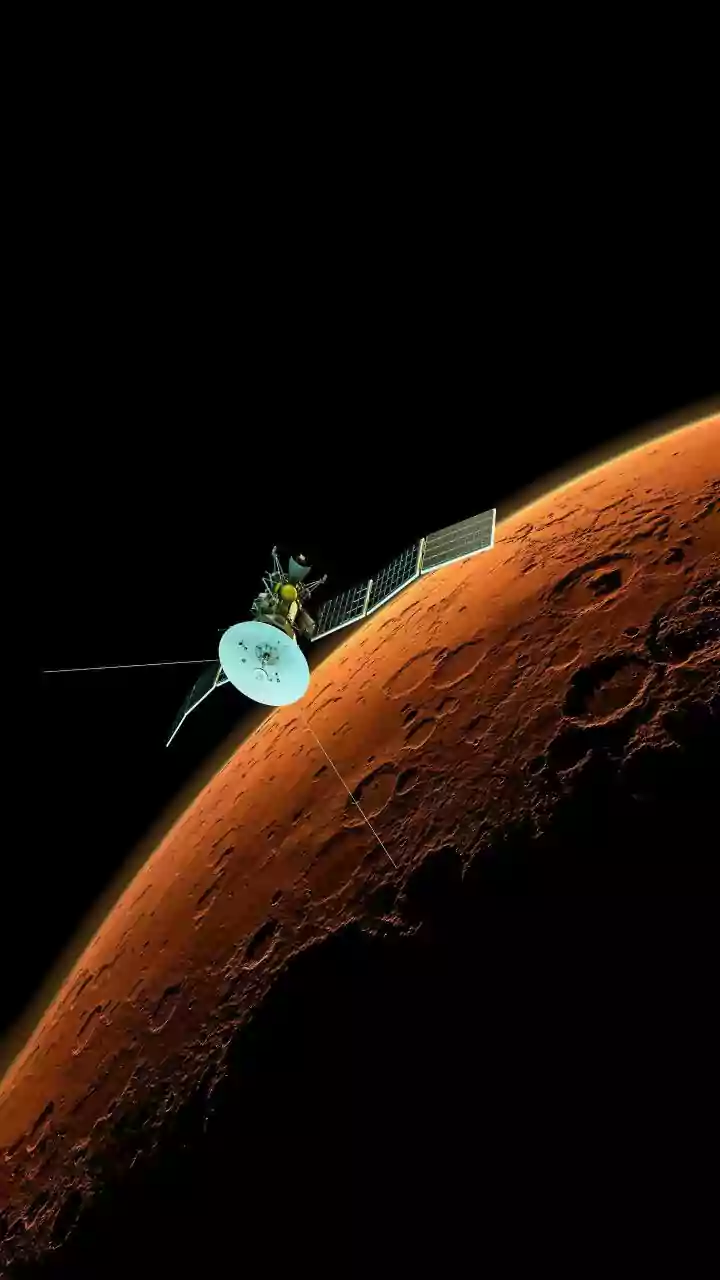
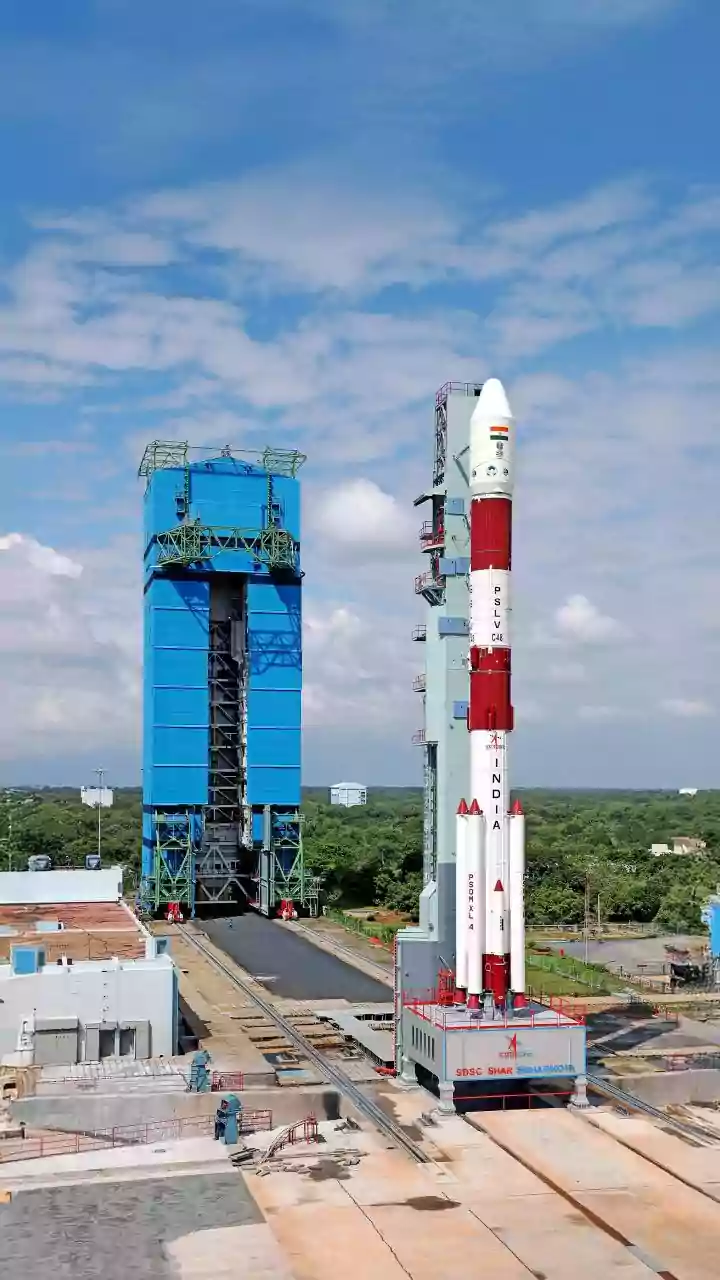
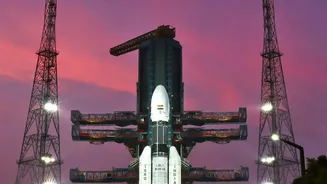
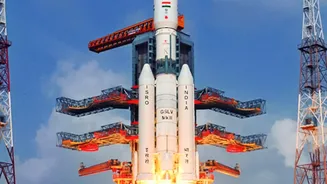
Enter Shukrayaan, India's planned orbiter mission to Venus. Building on the stunning successes of its missions to the Moon and Mars, ISRO is setting its sights on our other planetary neighbour. While the mission has several objectives, including mapping the surface with high-resolution radar, a key area of focus is its atmosphere. To do this, the spacecraft will carry a suite of advanced scientific instruments, including several designed specifically to analyse atmospheric chemistry. One of the flagship international payloads is VIRAL (Venus InfraRed Atmospheric gases Linker), a collaborative instrument developed with Russian and French space agencies. This instrument, along with others, will function like a sophisticated chemistry lab in orbit, peering deep into the Venusian clouds to measure the composition and dynamics of its atmosphere with high precision.
Hunting for Atmospheric Clues
So, what mysteries will this payload help solve? First and foremost is the runaway greenhouse effect. By taking detailed measurements of gases like carbon dioxide, sulphur dioxide, and water vapour, scientists can refine their models of Venus's climate. This helps them piece together its history—did Venus once have oceans before this catastrophic warming began? Another puzzle is the planet's super-rotating atmosphere, where winds travel at speeds far exceeding the planet's slow rotation. Instruments on Shukrayaan will study wind fields and cloud structure to understand the forces driving this extreme weather. The mission also aims to investigate a long-standing enigma: an 'unknown UV absorber' in the clouds that absorbs a huge amount of solar radiation, playing a significant role in the planet's energy balance.
The Lingering Question of Life
One of the most tantalising reasons for the excitement stems from a 2020 announcement regarding the potential detection of phosphine gas in the Venusian clouds. On Earth, phosphine is a gas produced primarily by biological processes, so its potential presence on Venus, however faint, sparked a global debate about the possibility of microbial life existing in the temperate upper layers of the atmosphere. While the initial findings have been debated, they highlighted the need for a closer look. ISRO's mission, with its dedicated atmospheric chemistry instruments, is perfectly poised to gather more definitive data. The VIRAL instrument, for instance, is capable of detecting trace gases and could help confirm or deny the presence of phosphine, providing a crucial piece of the astrobiological puzzle.
A New Frontier for India
The Shukrayaan mission solidifies India's position as a major player in planetary exploration. It's a mission of both discovery and technological demonstration, with ISRO planning to use techniques like aerobraking—using the planet's atmosphere to slow the spacecraft and adjust its orbit. This mission is not just about Venus; it's about comparative planetology. By studying Venus in detail, alongside our knowledge of Earth and Mars, scientists can build a more complete picture of how rocky planets form and evolve. For an IN audience, it represents another milestone for ISRO, showcasing India’s growing capabilities in deep-space science and technology on the world stage. The government's approval of the mission in 2024 underscores a national commitment to pushing the boundaries of space exploration.