






The Daily Sodium Limit
Salt is an essential mineral, but most people consume far more than they need. The World Health Organization (WHO) recommends that adults consume less than 2,000 milligrams (mg) of sodium per day, which is equivalent to about one teaspoon of salt. However,
global average intake is more than double this recommendation. Starting the day with a high-sodium meal makes it incredibly challenging to stay within this healthy limit. This excess intake is a major risk factor for high blood pressure, which in turn increases the risk of heart disease and stroke.
Hidden Sodium in Indian Breakfasts
While we often associate high sodium with Western fast food, traditional Indian breakfasts can also be major culprits. The salt shaker isn't the only source; much of the sodium is hidden in the ingredients themselves. Accompaniments are a significant factor. A single serving of pickle or a papad can add a huge sodium load to an otherwise healthy meal. Even the batter for dishes like dosa or uttapam can be high in sodium, especially if it's a pre-made, packaged mix designed for a longer shelf life. A study of South Indian breakfast foods found that sodium was the most abundant mineral, with many popular dishes contributing significantly to, and sometimes exceeding, daily recommended limits.
Processed Foods and Bakery Items
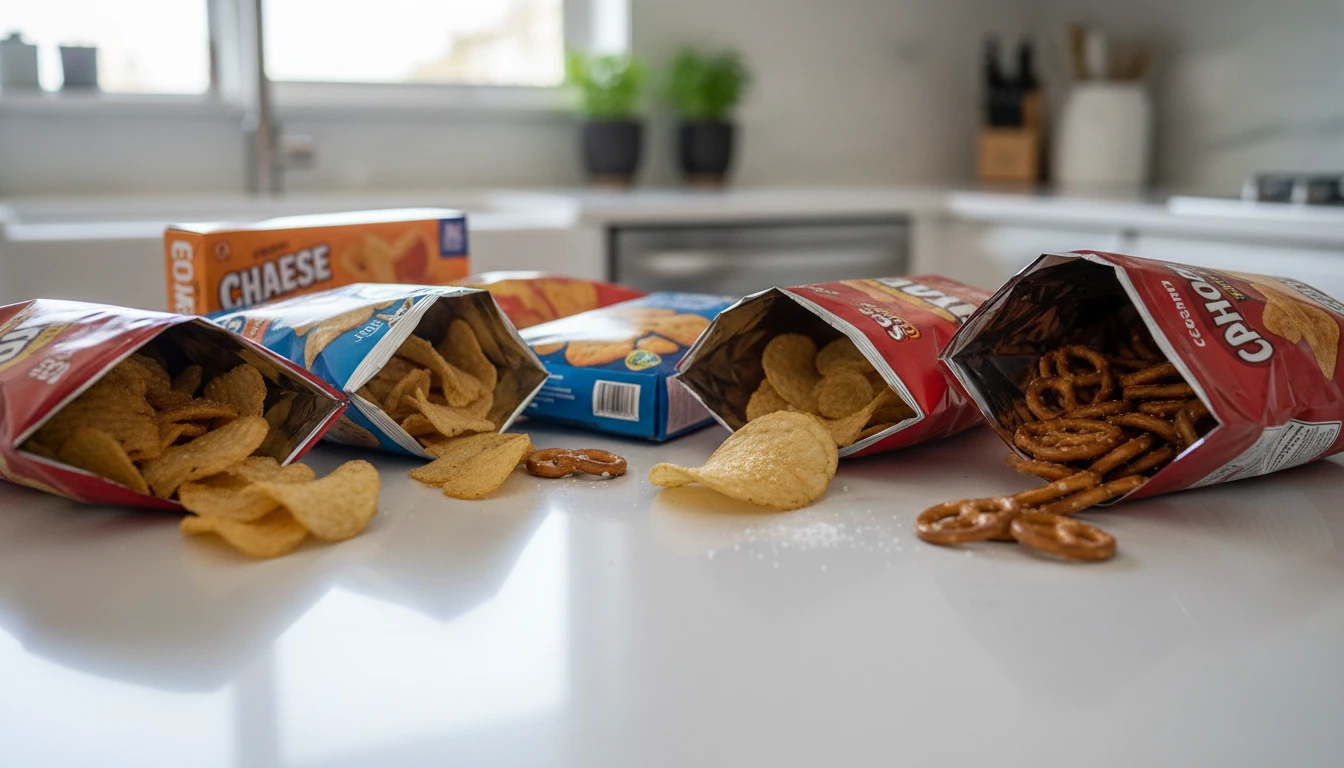
Beyond traditional dishes, many convenient breakfast options are laden with sodium. Processed meats like sausages and bacon are well-known offenders, preserved with high amounts of salt. However, many people don't realise that everyday items like bread, cheese, and breakfast cereals can also contain substantial sodium. A single slice of bread might not seem salty, but the amount adds up, especially in a breakfast sandwich that also includes processed cheese and sauces like ketchup. Even seemingly healthy choices like instant oatmeal or packaged veggie burgers can contain surprisingly high sodium levels to enhance flavour and preservation.
Why It's a Problem
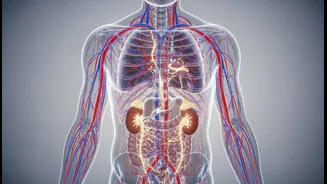
Consuming too much sodium forces your body to retain water to dilute it. This increases blood volume, making your heart work harder to pump blood through your body and raising pressure on your arteries. Over time, this can lead to hypertension (high blood pressure), heart failure, kidney problems, and even stroke. The immediate effects can include bloating, puffiness, and increased thirst. Since much of the salt in the Indian diet is added during cooking or comes from processed ingredients rather than a salt shaker at the table, it's easy to consume too much without realising it.
Smarter, Lower-Sodium Choices
The good news is that reducing your morning sodium intake is achievable with a few simple swaps. Prioritise cooking from scratch whenever possible, as this gives you complete control over the salt content. Instead of packaged batters, try making your own for idli and dosa. Opt for fresh fruits and vegetables as sides instead of salty pickles and papads. When making dishes like poha or upma, use herbs, spices, ginger, and lemon to build flavour instead of relying solely on salt. Reading labels on packaged goods is crucial; look for low-sodium versions of bread, cereals, and sauces. Swapping processed breakfast meats for fresh eggs or lean chicken can also make a significant difference. By making mindful choices, you can enjoy a delicious savoury breakfast that truly sets you up for a healthy day.