






Why Monsoon Wreaks Havoc on Hair
Before diving into the remedies, it's helpful to understand the cause. The spike in humidity during the monsoon is the primary culprit. High moisture in the air causes hair shafts to swell, weakening the roots and making them prone to breakage. This damp
environment is also a perfect breeding ground for fungal infections and dandruff, which can clog follicles and worsen hair fall. Furthermore, rainwater is often acidic and can carry pollutants, which damage the hair's structure and strip natural oils from the scalp, leading to dryness and irritation.
Amla Oil: The Vitamin C Powerhouse
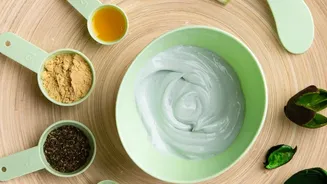
Amla, or Indian Gooseberry, is a cornerstone of traditional Indian hair care, celebrated for its high concentration of Vitamin C and antioxidants. Amla oil is believed to strengthen hair follicles from the roots, reduce premature greying, and promote healthier, thicker growth. Its nourishing properties help condition the scalp, combat dryness, and add a natural shine to your hair. Regular scalp massages with amla oil can improve blood circulation, ensuring that essential nutrients reach the follicles. DIY Treatment: Gently warm about three tablespoons of amla powder mixed with coconut or sesame oil. Massage this mixture into your scalp using circular motions and leave it on for at least an hour before washing with a mild shampoo. For deeper conditioning, this can be done twice a week.
Bhringraj Oil: The King of Herbs
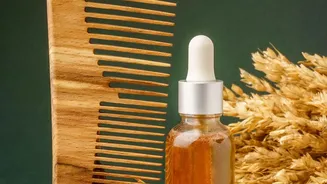
Known in Ayurveda as the 'king of herbs' for hair, Bhringraj is renowned for its ability to tackle hair loss and stimulate growth. Typically prepared by infusing the leaves of the Bhringraj plant in a carrier oil like coconut or sesame, this oil is packed with nutrients that revitalise hair follicles. Its antifungal and antibacterial properties also help in preventing scalp infections, a common issue during the damp monsoon months. Regular application can improve hair texture and overall scalp health. DIY Treatment: Warm some Bhringraj oil and massage it gently into your scalp for about 10-15 minutes. Focusing the massage on the scalp helps improve circulation. You can leave it on for 30-60 minutes or even overnight for an intensive treatment before washing it off.
Neem Oil: The Scalp Purifier
Neem has been a staple in Indian households for centuries due to its powerful medicinal properties. Neem oil is particularly effective for maintaining scalp health, which is the foundation of strong hair. Its potent antifungal and anti-inflammatory properties make it an excellent remedy for dandruff and scalp irritation, which often flare up during the monsoon. By keeping the scalp clean and infection-free, neem oil helps strengthen hair follicles and can reduce hair fall associated with scalp issues. It's also rich in fatty acids that help moisturise a dry, itchy scalp. DIY Treatment: Since neem oil is very potent, it is best to dilute it. Mix a few drops of neem oil with a carrier oil like coconut or almond oil. Apply this blend to your scalp, leave it on for about 30 minutes, and then wash thoroughly. This can help soothe irritation and clarify the scalp.
Coconut Oil: The Deep Conditioner
Coconut oil is perhaps the most versatile and beloved hair oil in India. Its unique structure, rich in lauric acid, allows it to penetrate the hair shaft and reduce protein loss, which is crucial for maintaining hair strength. This is especially beneficial during the monsoon when hair is fragile. It acts as a protective barrier against humidity and pollutants. Its antibacterial and antifungal properties also help protect the scalp from infections common in damp weather. DIY Treatment: For a simple yet effective monsoon treatment, infuse warm coconut oil with a handful of curry leaves. Curry leaves are rich in antioxidants that strengthen hair roots. Heat the oil with the leaves until they turn dark, then let it cool. Strain the oil and massage it into your scalp, leaving it on for at least an hour or overnight before washing.