


Meghalaya: The Abode of Clouds
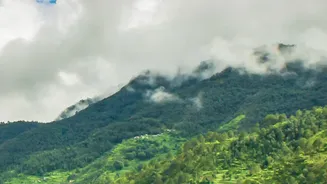
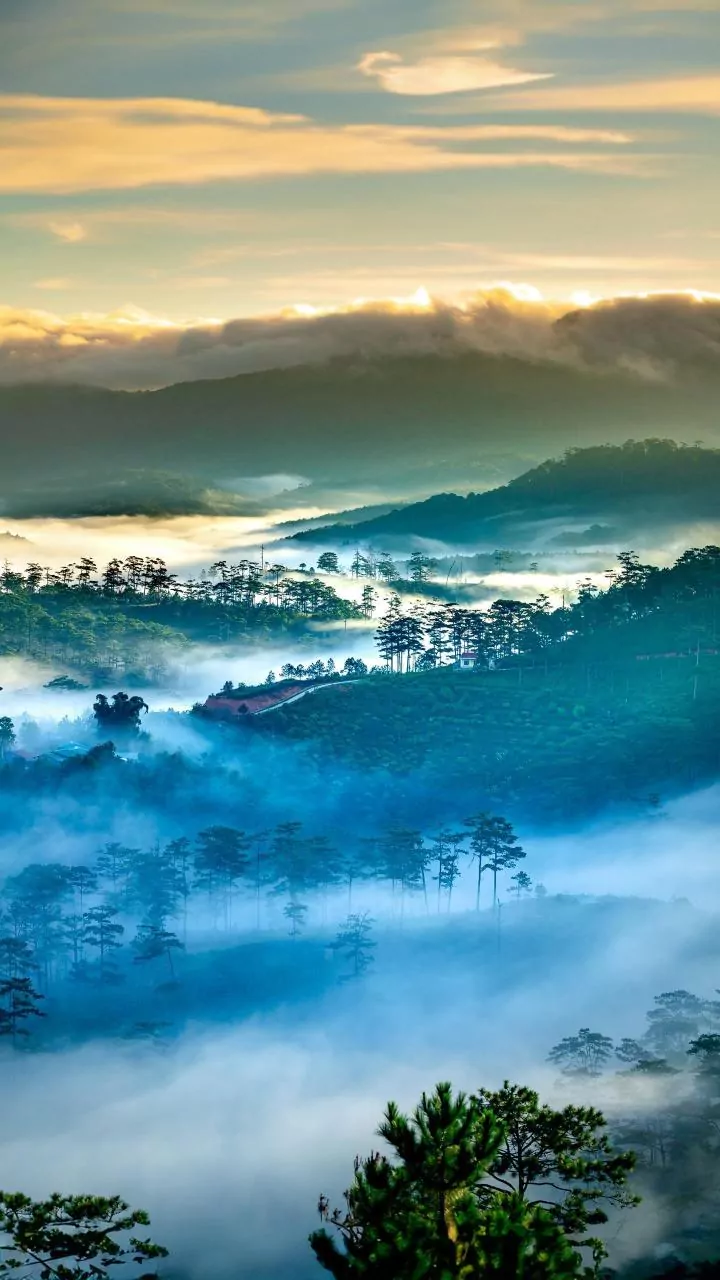
Known as the 'abode of clouds', Meghalaya becomes a spectacle during the monsoon. Cherrapunji and Mawsynram, among the wettest places on Earth, offer dramatic scenes of valleys filled with mist and clouds moving at eye level. The iconic living root bridges,
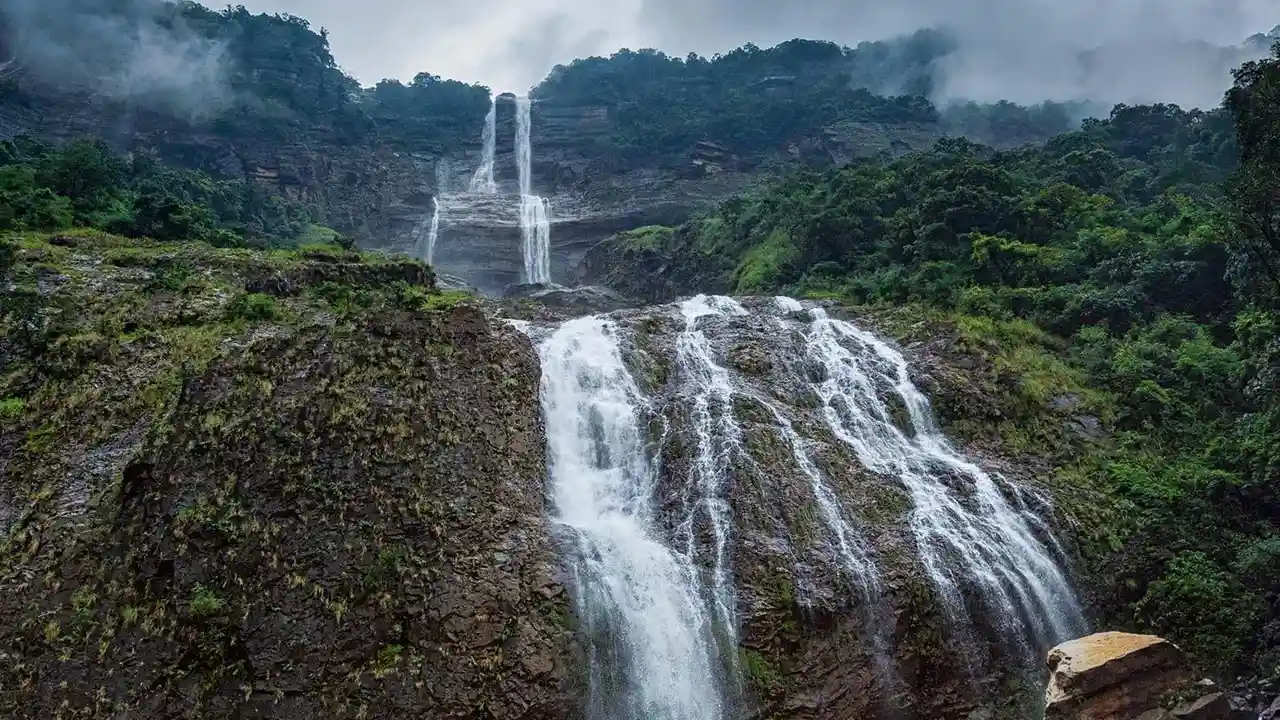
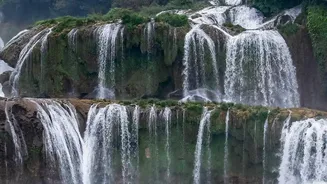
a testament to bio-engineering by Khasi communities, are especially photogenic when the streams beneath them are full. Waterfalls like Nohkalikai, India's tallest plunge waterfall, and the Seven Sisters Falls cascade with immense power, creating awe-inspiring frames for any photographer. The entire state becomes a canvas of deep greens, rolling hills, and a constant, beautiful interplay between rain and clouds, offering endless opportunities for atmospheric shots.
Munnar, Kerala: Tea Gardens in the Mist
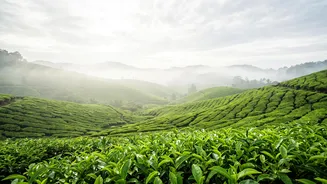
In the Western Ghats, the hill station of Munnar in Kerala turns into a green wonderland. Its sprawling tea estates become saturated in a deep, vibrant green that only exists during the monsoon. The low-hanging mist that drifts across the rolling hills creates soft, layered landscapes perfect for photography. Waterfalls like Attukad and Lakkam, fed by the heavy rains, become powerful cascades that are easily accessible. For a photographer, Munnar offers the chance to capture the serene geometry of tea gardens vanishing into the fog, close-ups of rain-drenched leaves, and panoramic views of misty mountains. The soft, diffused light of the overcast sky is ideal for capturing the landscape's rich textures without harsh shadows.
The Western Ghats of Maharashtra: A Road-Tripper's Dream
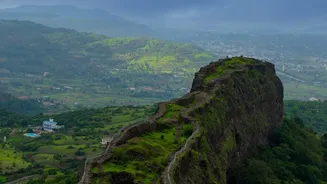
For those near Mumbai and Pune, the Sahyadri ranges in Maharashtra offer some of the most accessible and rewarding monsoon photography. Hill stations like Lonavala and Mahabaleshwar are famous for their verdant landscapes, numerous waterfalls, and cloud-covered viewpoints during this season. Lesser-crowded spots like Tamhini Ghat provide a raw, untouched appeal, with roads winding through dense forests, past countless waterfalls, and along fog-wrapped mountains. This region is a paradise for capturing the motion of waterfalls with slow shutter speeds, the dramatic light of 'god rays' breaking through clouds, and reflections on wet, winding roads. The accessibility makes it ideal for both beginners and seasoned photographers looking for a quick yet stunning monsoon escape.
Coorg, Karnataka: The Scotland of India
Coorg, often called the 'Scotland of India', is a coffee-lover's and a photographer's paradise during the rains. The landscape of rolling hills, covered in glistening coffee plantations, becomes exceptionally lush. The mist hanging in the valleys and the rain-washed foliage create a tranquil, moody atmosphere. Photographers can capture stunning images of Abbey and Iruppu Falls at their peak flow, or trek to viewpoints for panoramic shots of rain-swept valleys. It's a destination that excels in both grand landscapes and intimate details, from wide-angle shots of misty hills to macro photos of raindrops on coffee beans.
Goa: Beyond the Beaches
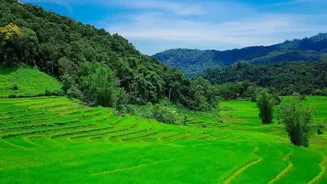
While famous for its sunny beaches, Goa reveals a different, more soulful side during the monsoon. The hinterlands come alive with lush paddy fields and roaring waterfalls. The Dudhsagar Waterfalls, one of India's tallest, becomes a spectacular cascade of white water against the green forests of the Bhagwan Mahaveer Sanctuary. The misty roads of Chorla Ghat offer panoramic views of verdant hills. Even the colourful Portuguese-style houses in Fontainhas, Panaji's Latin Quarter, gain a unique charm as their colours are reflected on wet, narrow streets. This season offers photographers a chance to capture a quieter, greener, and more atmospheric Goa, far from the tourist crowds.
A Photographer's Toolkit for the Monsoon
Photographing in the rain requires preparation. Protecting your gear is paramount; a rain cover for your camera is essential, along with microfibre cloths to wipe lenses. Silica gel packs in your camera bag can help absorb moisture overnight. For capturing the silky motion of waterfalls, a sturdy tripod is non-negotiable. Experimenting with shutter speeds can transform your shots: a fast shutter (1/250s or higher) freezes raindrops, while a slower speed (like 1/60s) creates artistic streaks. A polarising filter can be a game-changer, helping to cut glare from wet surfaces and enhance the vibrant greens of the foliage.