





The Legacy of Halley's Comet
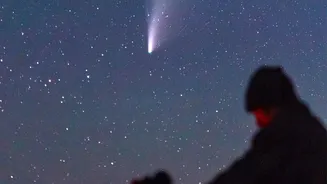
The Orionid meteor shower is a special celestial event with a famous parent: Comet 1P/Halley. This renowned comet, which visits the inner solar system only once every 76 years, leaves a trail of dust and rock in its orbital path. Each year in October,
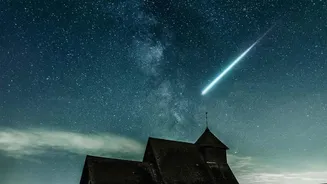
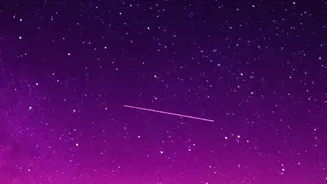
Earth passes through this stream of debris. As these tiny particles, some no bigger than a grain of sand, enter our atmosphere at tremendous speeds—about 66 kilometres per second—they burn up, creating the beautiful streaks of light we call 'shooting stars'. While Halley's Comet itself won't be visible from Earth again until 2061, the Orionids provide an annual opportunity to witness its cosmic legacy. In fact, Earth crosses Halley's path twice a year, also resulting in the Eta Aquariid shower in May.
Peak Dates and Best Times for India
The key to watching any meteor shower is timing. For 2026, the Orionids will reach their peak activity on the night of October 21 and into the early morning hours of October 22. While meteors will be visible for several nights around this peak, your best chance to see the highest numbers is during this window. In India, the ideal time to start watching is after midnight. This year, a bright waxing gibbous moon will be present in the sky during the early part of the night, which can make it harder to see fainter meteors. However, there is a silver lining for dedicated observers: the moon is expected to set around 3 a.m. local time. This creates a prime viewing window of dark skies between moonset and the first light of dawn, offering the best opportunity to see the show.
Where to Look in the Night Sky
The meteor shower is named 'Orionid' because the meteors appear to radiate from a point in the sky near the constellation Orion, the Hunter. This 'radiant' point is located near Orion’s upraised club, just north of the bright reddish star Betelgeuse. To find Orion, look for its most famous feature: a straight line of three bright stars that form Orion's Belt. While the meteors will seem to originate from this area, they can streak across any part of the sky. In fact, looking slightly away from the radiant can often reveal longer, more dramatic trails. You don’t need any special equipment like a telescope or binoculars; their narrow field of view is not ideal for catching the random and fleeting nature of meteors. The best tool you have is your own eyes.
Finding the Perfect Viewing Spot
The single most important factor for a successful stargazing night is getting away from light pollution. The bright lights of cities and towns can wash out all but the brightest meteors, drastically reducing what you can see. For the best experience, plan to travel to a location with dark skies. Rural areas, hill stations, or designated dark sky parks are ideal. India has several locations known for excellent stargazing, including the Hanle Dark Sky Reserve in Ladakh, parts of Spiti Valley, the Rann of Kutch, and Jaisalmer. Even if you can’t travel to a formal reserve, driving 30-40 minutes away from city limits can make a huge difference. Find an open area with an unobstructed view of the sky, away from direct sources of light like streetlamps or building lights.
Essential Tips for a Great Night Out
Once you've found your dark sky spot, a little preparation goes a long way. First, give your eyes time to adjust. It takes about 20 to 30 minutes for your eyes to fully adapt to the darkness, so avoid looking at bright screens like your phone. Second, get comfortable. Meteor watching is a waiting game. Bring a blanket or a reclining chair so you can lie back and look up at the sky without straining your neck. Dress in warm layers, as even on clear nights, the temperature can drop significantly after midnight. Finally, be patient. Meteors often appear in spurts. You might see none for several minutes and then a few in quick succession. Under ideal dark sky conditions, you can expect to see about 15 to 20 meteors per hour during the Orionids' peak.