



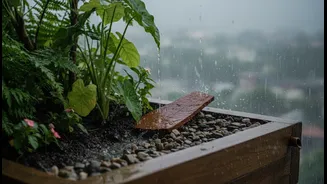


Why Your Summer Habit Harms Monsoon Plants
During hot summers, daily watering is often necessary as soil dries out quickly. Come monsoon, the entire environment changes. Constant rain, high humidity, and overcast skies mean the soil retains moisture for much longer. When you water your plants
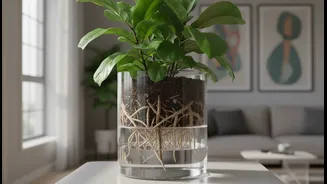
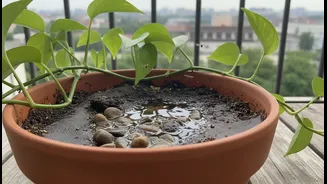
on a fixed schedule without considering these factors, you risk overwatering. This suffocates the roots by filling the air pockets in the soil with water, depriving them of the oxygen they need to function. This simple mistake is the primary cause of root rot, a condition where roots decay, leading to a sick or dying plant.
The Simple Finger Test: Your Best Tool
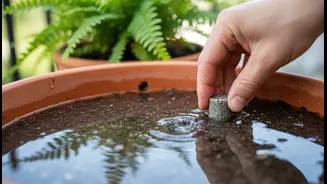
Instead of relying on a schedule, let your plants tell you when they are thirsty. The most reliable and easiest method is the 'finger test'. Before you even pick up the watering can, insert your index finger about one to two inches into the soil of your pot or garden bed. If the soil at your fingertip feels moist, cool, or sticks to your finger, the plant has enough water. Do not water it. If it feels dry and crumbly, it is time to give your plant a drink. This simple, two-second check is more accurate than any calendar reminder and is the single best habit a monsoon gardener can adopt.
Recognising the Signs of Overwatering
If you have already been watering on habit, your plants might be showing signs of distress. One of the earliest and most common symptoms of overwatering is yellowing leaves, especially the lower ones. Paradoxically, a plant that is getting too much water may also look wilted or droopy. This is because the damaged, rotting roots can no longer absorb water and nutrients effectively. Other signs to watch for include soft or mushy stems near the base, the appearance of mould or fungus on the soil surface, a musty or sour smell from the pot, and even leaf drop.
Adjusting for Different Plants and Pots
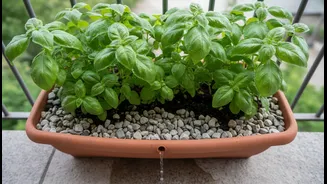
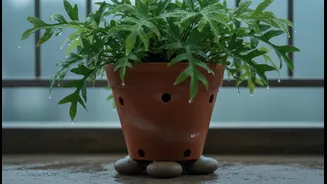
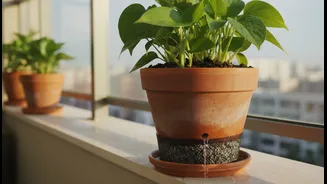
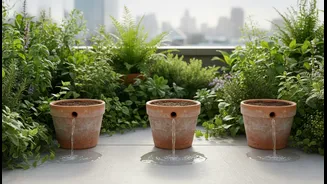
Not all plants have the same water requirements. Succulents and cacti, for example, need their soil to dry out completely between waterings, while flowering plants and leafy greens may need more consistent moisture. During the monsoon, this principle remains the same, but the frequency for all plants will decrease. Pay close attention to drainage. Ensure every pot has clear drainage holes to allow excess water to escape. If you use saucers under your pots, remember to empty them after it rains; leaving pots to stand in stagnant water is a guaranteed way to cause root rot. Terracotta pots, being porous, allow soil to dry faster than plastic ones, which can be an advantage during the rainy season.
Beyond Watering: Other Monsoon Care Essentials
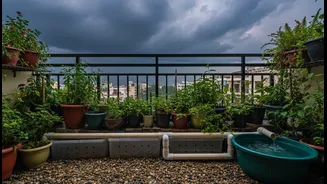
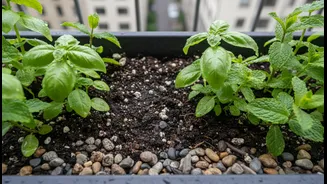
Successful monsoon gardening goes slightly beyond just watering correctly. The damp, humid conditions are a breeding ground for pests and fungal diseases. Ensure there is good air circulation around your plants by not crowding them together. Regularly remove any fallen leaves or debris from the soil surface. It is also a good time to prune your plants, which encourages new growth and improves airflow. Avoid heavy fertilising during intense rainy periods, as the nutrients can easily be washed away, and applying them to already wet soil can burn the roots. A quick daily inspection for pests or signs of disease can help you catch problems early.