







Embrace Seasonal Fruits
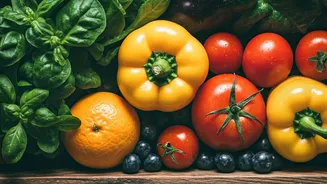
The rainy season offers a bounty of delicious and immunity-boosting fruits. Favour seasonal options like jamun, plums, cherries, peaches, and pomegranates. These fruits are packed with antioxidants and Vitamin C, which are crucial for fighting off infections.
Apples and pears are also excellent choices as they are high in fibre and help maintain good digestion. While citrus fruits like oranges and sweet lime are available year-round, their high Vitamin C content makes them particularly valuable during the monsoon for strengthening your immune system. Opt for whole fruits over pre-cut ones or juices from roadside stalls, which carry a higher risk of contamination.
Choose Vegetables Wisely
During the monsoon, your vegetable basket needs a strategic refresh. Gourds such as bottle gourd (lauki), ridge gourd (turai), and bitter gourd (karela) are highly recommended. They are easy to digest and packed with essential nutrients. Beetroot is another great choice, known for its ability to help with haemoglobin levels and boost immunity. While leafy greens like spinach are nutritious, they should be consumed with caution during the rains as they can harbour germs and dirt due to the high moisture. If you do buy them, ensure they are washed thoroughly and cooked well instead of being eaten raw in salads. It's best to avoid raw salads altogether, as they can be difficult to digest and may carry germs.
Power Up with Spices and Herbs
Your spice box is a powerful ally during the monsoon. Spices like turmeric, ginger, garlic, and black pepper are celebrated for their immune-boosting properties. Turmeric contains curcumin, which has strong anti-inflammatory and antioxidant effects. Ginger and garlic are known for their antibacterial and antiviral benefits, helping to soothe sore throats and fight infections. Incorporating these spices generously into your daily cooking, from dals and sabzis to warm herbal teas, can significantly enhance your body's defenses against common monsoon ailments. A warm cup of ginger or tulsi tea is a perfect way to stay hydrated and keep infections at bay.
Focus on Light Grains and Proteins
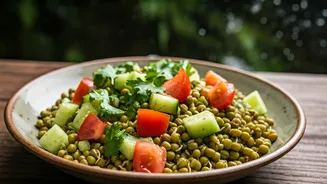
The humid monsoon weather can weaken our digestive fire, or 'agni', according to Ayurveda. Therefore, it's wise to opt for light and easily digestible foods. Choose grains like barley, brown rice, and oats over heavy options. Moong dal is particularly recommended as it is light on the stomach and a good source of protein. When it comes to protein, it's better to choose chicken or stick to plant-based sources. Ayurveda suggests that heavy meats can be difficult to digest during this season. Seafood should also be approached with caution, as the monsoon is the breeding season for fish, which can increase the risk of contamination.
Foods to Approach with Caution
While pakoras and chai are a classic monsoon indulgence, it's best to limit fried and oily foods. The humid climate slows down digestion, and heavy, fried snacks can lead to bloating and an upset stomach. Street food, especially items like chaat and fresh juices, should be avoided due to the high risk of water-borne infections from contaminated water and unhygienic preparation. It's also advisable to moderate your intake of dairy products like curd, as they can sometimes aggravate throat issues or increase mucus production. Opt for freshly prepared, warm home-cooked meals to ensure safety and comfort.