



Makhana: The Puffed Powerhouse
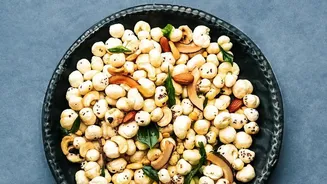
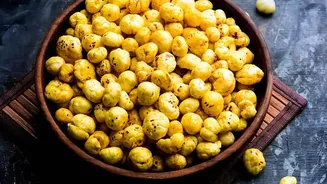
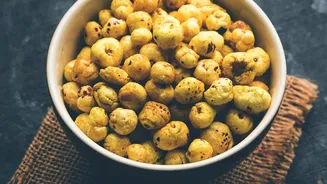
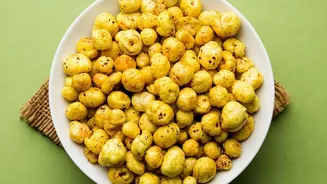
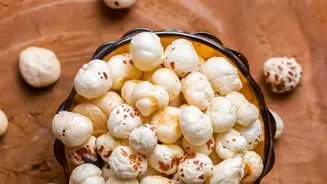
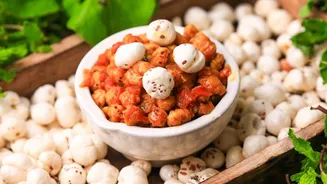
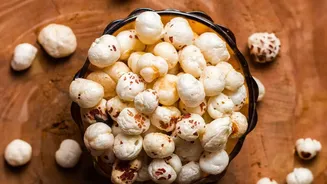
Often called fox nuts or lotus seeds, phool makhana is a light, airy, and incredibly versatile ingredient. These puffed seeds are harvested from a type of water lily and have been a part of Indian cuisine and traditional medicine for centuries. During
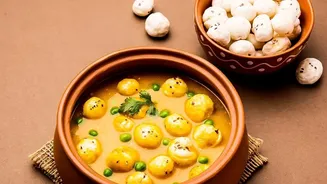
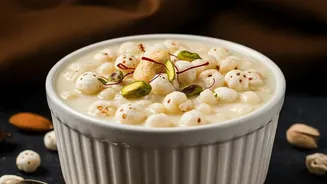
a vrat, makhana is a favourite because it is considered a 'satvik' or pure food that is light on the digestive system yet provides a feeling of fullness. Nutritionally, makhana is a star. It is low in calories but rich in essential nutrients like protein, fibre, magnesium, potassium, and calcium. This impressive profile helps maintain energy levels throughout the day, a key consideration while fasting. Its high potassium and low sodium content are beneficial for regulating blood pressure. The most common way to enjoy makhana is by roasting it in a little ghee until it's crisp, then seasoning it with sendha namak (rock salt). It also finds its way into creamy kheer, where it softens into a delightful pudding, or as a base for savoury curries.
Kuttu: The Versatile Pseudo-Grain
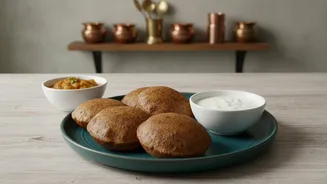
Despite its name, kuttu ka atta, or buckwheat flour, is not a type of wheat. In fact, it isn't a grain at all. It is a 'pseudo-cereal' derived from the seeds of a flowering plant, which is why it is permitted during fasts when traditional grains (anaj) are avoided. This makes it a fantastic gluten-free alternative for everyone, even outside of fasting periods. Kuttu is celebrated for its robust nutritional profile. It is packed with high-quality protein and dietary fibre, which aids digestion and promotes satiety. It’s also an excellent source of minerals like magnesium and iron, along with B-vitamins. One of the standout benefits of buckwheat is its low glycaemic index, which means it releases energy slowly and helps in managing blood sugar levels, preventing the energy spikes and crashes that can come from other high-carb foods. In the kitchen, kuttu ka atta is most famously used to make puris and parathas, which have a distinctive nutty flavour and dark colour. Its flour can also be used to create everything from dosas and cheelas to pakoras and even pancakes, making it a truly adaptable fasting staple.
Rajgira: The Royal Amaranth
Rajgira, also known as amaranth, translates to 'the grain of kings', a name that hints at its ancient roots and superior nutritional value. Like kuttu, rajgira is a pseudo-cereal, making it a go-to ingredient for vrat observers. It is naturally gluten-free and has gained global recognition as a superfood. What makes rajgira special is its status as a 'complete protein', as it contains all nine essential amino acids, including lysine, which is often lacking in plant-based diets. It is also incredibly rich in calcium, iron, magnesium, and phosphorus. The high fibre content in rajgira promotes healthy digestion and keeps you feeling full for longer, helping to manage appetite during a fast. Rajgira can be used in several forms. The tiny seeds can be popped like popcorn and used to make chikkis or ladoos. More commonly, its flour is used to prepare soft rotis, pooris, and even kadhi. Its mild, nutty taste makes it suitable for both sweet and savoury dishes, and it provides a substantial, nutrient-dense base for any fasting meal.
The Tradition and Science of Vrat Foods
The choice of these ingredients for fasting is rooted in both spiritual tradition and nutritional wisdom. The core principle of a vrat diet is to consume 'satvik' foods—those that are pure, light, and easy to digest, believed to promote clarity of mind. Makhana, kuttu, and rajgira fit this description perfectly. From a modern nutritional standpoint, these foods are ideal for periods of restricted eating. They are complex carbohydrates that provide sustained energy, preventing lethargy. Their high protein and fibre content ensures satiety, helping to curb hunger pangs. Furthermore, being nutrient-dense, they replenish the body with vital minerals and vitamins that might otherwise be missed. This alignment of ancient tradition with modern science is what makes these ingredients timeless and effective.