





The monsoon rains or scorching summer heat can derail even the best-laid plans for an evening walk. But poor weather doesn't have to mean a missed workout. Indoor walking is a simple, effective, and accessible alternative to keep you moving.
The Undeniable Benefits of Moving Indoors
Consistency
is key to any fitness routine. The primary advantage of indoor walking is that it removes weather as a barrier, allowing you to stay active year-round. It offers a climate-controlled, predictable environment, which is not only comfortable but also safe. You don't have to worry about uneven pavements, traffic, or poor lighting. For many, especially older adults or those recovering from injury, the flat, stable surfaces of an indoor setting can reduce the risk of falls and make movement less tiring. Furthermore, walking is a proven low-impact exercise that improves cardiovascular health, helps manage weight, boosts mood, and can lower the risk for several chronic conditions like type 2 diabetes and heart disease. These benefits are just as achievable indoors.
Your Home Can Be Your Personal Track
You don't need a gym membership or fancy equipment to get your steps in; your own home offers plenty of opportunities. The simplest method is walking in place. While it may sound minimal, it effectively raises your heart rate, burns calories, and engages major leg muscles like your quadriceps and glutes. Research shows that walking in place can be a great starting point for beginners and is gentle on the joints. You can do it while watching television, talking on the phone, or even during commercial breaks. To add variety and intensity, incorporate your home's layout. Create a walking loop through your living room, dining area, and hallways. If you have stairs, walking up and down them is an excellent way to increase intensity and build strength. There are also countless free online videos that guide you through structured indoor walking workouts, often combining marching in place with other simple movements like side steps and knee lifts.
Explore Public Indoor Walking Venues
If you find walking at home monotonous, consider moving your routine to a public indoor space. Shopping malls are a popular choice for many walkers. Most malls provide a spacious, well-lit, and safe environment with long, flat corridors perfect for walking. Many even open their doors early for walkers before the shops get busy, and amenities like restrooms and benches are readily available. This can also be a social activity, offering a chance to walk with friends. Other potential locations include community centres or indoor sports complexes, which may have dedicated indoor tracks available for public use. Before you go, it's a good idea to check the venue's rules and opening hours for walkers to ensure a smooth experience.
How to Maximise Your Indoor Walk
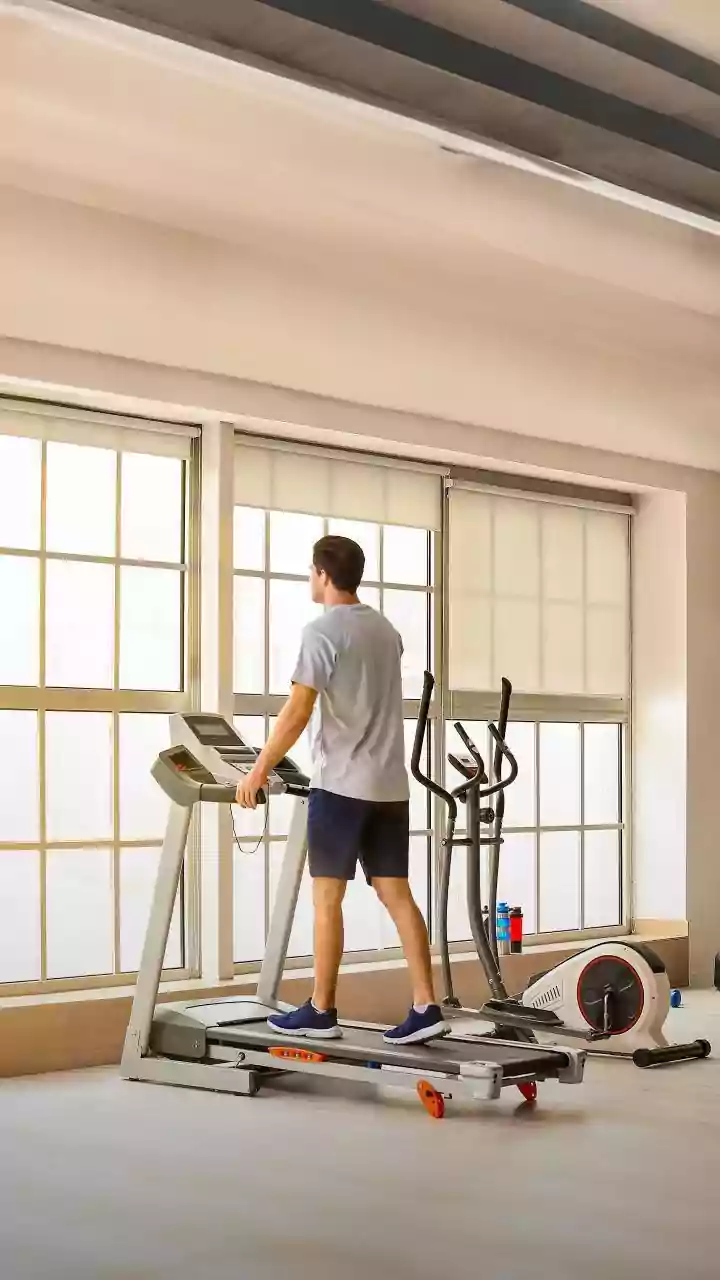
Whether you're walking at home or in a mall, a few simple strategies can make your indoor workout more effective. Focus on your form: stand tall, engage your core, and swing your arms. Don't just shuffle; lift your feet with each step to properly engage your muscles. Varying your pace is also crucial. Try alternating between a few minutes of brisk walking and a minute of slower recovery pace to create an interval workout. If you're on a treadmill, use the incline feature to simulate hills, which increases calorie burn and builds strength. While walking in place, you can increase intensity by lifting your knees higher or adding light hand weights. Short, frequent walks throughout the day are just as beneficial as one long session, so even a 10nd minute walk can make a difference.
Beat the Boredom and Stay Motivated
The biggest challenge with indoor walking can be the lack of changing scenery. To combat this, create an engaging sensory experience. Listen to an upbeat music playlist, a fascinating podcast, or an audiobook. If you're walking at home, you can stream a travel documentary or your favourite show. Using a fitness tracker to monitor your steps or setting small, achievable goals can also provide a sense of accomplishment and motivation. If possible, walk with a family member or friend to make it a social activity. The key is to find what makes the experience enjoyable for you, turning your indoor walk from a necessity into a part of your day you look forward to.