








Master Your Storage Strategy
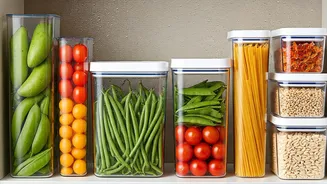
The single biggest challenge in a monsoon kitchen is the pervasive humidity, which accelerates food spoilage. Bacteria and mould thrive in damp conditions, making proper storage your first line of defence. It’s time to move beyond guesswork and embrace
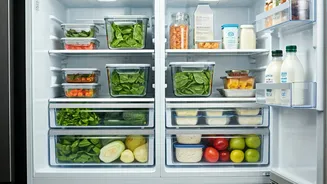
airtight solutions. Transfer dry goods like lentils, flour, spices, and biscuits from their original packaging into completely dry, airtight containers. Glass or steel jars are particularly effective for items like salt and sugar that tend to clump. Even leftovers should be stored in sealed containers and refrigerated promptly once they cool down. Pay attention to your refrigerator; keep it clean and avoid overloading it, as proper air circulation is crucial for maintaining a consistent, safe temperature. Before storing any fruits or vegetables, ensure they are wiped completely dry to prevent mould from taking hold.
Rethink Your Vegetable Basket
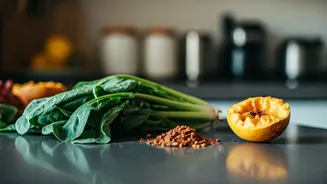
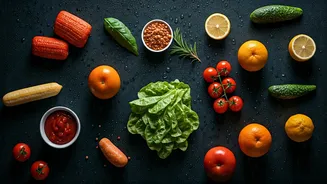
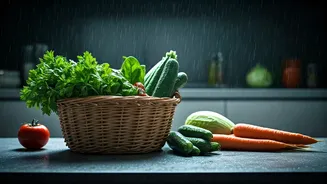
While a diet rich in vegetables is always encouraged, the monsoon calls for a more selective approach. Leafy greens like spinach, cabbage, and lettuce become risky during this season. The dampness and mud make them ideal breeding grounds for germs and worms, and their layered structure makes them difficult to clean thoroughly. It’s wiser to temporarily swap them out for seasonal gourds like bottle gourd (lauki), bitter gourd (karela), and pointed gourd (parwal), which are less prone to contamination. Root vegetables that grow underground can also carry extra soil and moisture, so they require meticulous cleaning. Regardless of your choice, all vegetables should be washed thoroughly, perhaps soaked in salt water, before being cooked well. Avoiding raw salads and opting for steamed or cooked preparations is a much safer bet.
Resist the Street Food Temptation
The craving for hot, crispy pakoras or spicy chaat is almost synonymous with a downpour. However, street food poses a significantly higher risk during the monsoon. The primary culprit is often contaminated water, used in everything from the 'pani' for golgappas to washing utensils. High humidity also causes bacteria to multiply rapidly on pre-cut fruits and raw ingredients like onions and chutneys that sit in the open. Even fried snacks can be hazardous if cooked in old, repeatedly used oil or left uncovered. To stay safe, the best approach is to recreate your favourite street-side snacks at home, where you can control the hygiene, water quality, and freshness of the ingredients. It’s a small compromise that can save you from serious foodborne illnesses like typhoid and gastroenteritis.
Fortify Your Defences with Diet
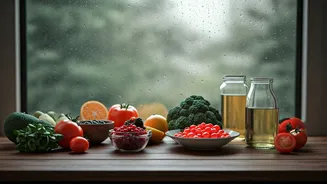
Beyond avoiding risks, you can proactively strengthen your body’s defences. The monsoon season can make the digestive system sluggish, so it's wise to favour lighter, easily digestible meals over heavy, oily ones. This is also the perfect time to harness the power of traditional Indian spices. Incorporating turmeric, ginger, garlic, and cumin into your cooking can help boost your immunity, as these spices contain powerful anti-inflammatory and antimicrobial properties. Focus on foods rich in Vitamin C, such as citrus fruits, to help your immune system fight off common seasonal infections like colds and flu. Many experts also suggest swapping heavy yogurts for lighter, spiced buttermilk (chaas), which aids digestion without causing congestion.
Make Water Your First Priority
The simplest and most critical precaution during the rainy season is to be vigilant about your water intake. Waterborne diseases are rampant during the monsoon due to the increased risk of contamination in water sources. Never consume tap water directly. Ensure all water for drinking, cooking, and even washing vegetables is either boiled for several minutes or passed through a reliable water purifier. This vigilance should extend to what you consume outside the home. Be wary of ice in drinks, as it's often made from unfiltered tap water. Sticking to safe, purified water is a non-negotiable rule for staying healthy throughout the season.