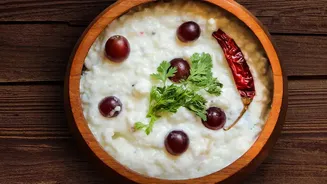







As winter arrives, a familiar question enters many Indian kitchens: should you be eating curd? While some swear by its benefits, others warn it causes colds. Let's settle the debate and explore what's best for your health this season.
The Traditional Ayurvedic Viewpoint
In Ayurveda, foods
are classified by their inherent nature and effect on the body's doshas (energies). Curd is considered 'Kapha-Kar,' meaning it can increase the Kapha dosha, which is associated with mucus, heaviness, and coldness. Ayurvedic experts often advise against consuming curd in winter, especially in the evening or at night. The reasoning is that winter is already a Kapha-dominant season, and eating Kapha-aggravating foods might lead to an imbalance, potentially causing respiratory issues like coughs, colds, or sinus congestion. Some Ayurvedic texts suggest that if curd is consumed, it should be during the day when digestive fire (Agni) is strongest, and never cold straight from the refrigerator.
What Modern Science and Nutrition Say
From a nutritional standpoint, curd (or yoghurt) is a powerhouse of essential nutrients that are highly beneficial during winter. It is packed with high-quality protein, calcium, magnesium, potassium, and vitamins like B2 and B12. Crucially, it is one of the best sources of probiotics, the 'good bacteria' that are vital for gut health. A healthy gut is directly linked to a strong immune system, which is your body's primary defence against the common colds and flu that are rampant in winter. The calcium and vitamin D in fortified yoghurt are also important for bone health, which can be a concern in winter due to reduced sun exposure.
The Myth About Mucus and Colds
The most common reason people avoid curd in winter is the belief that it creates mucus and causes colds. However, modern scientific research has largely debunked this myth. Multiple studies have found no evidence that dairy products like milk or yoghurt actually increase mucus production in the respiratory system. The sensation of thicker saliva or a coating in the throat after consuming dairy is often attributed to its creamy texture (viscosity), not an actual increase in phlegm. While some Ayurvedic practitioners maintain that curd is mucus-generating, science suggests that for most people, eating curd does not cause or worsen a cold.
Probiotics: Your Secret Weapon for Winter Immunity
Perhaps the strongest argument for keeping curd in your winter diet is its probiotic content. These live microorganisms support a healthy gut microbiome, which plays a central role in your immune function. A robust immune system is better equipped to fight off winter infections. Some studies suggest that the probiotics in yoghurt may help enhance the body's production of antibodies, providing an extra layer of defence during the cold and flu season. Furthermore, a healthy gut aids in better digestion and can help prevent common issues like bloating and indigestion, which can be more frequent with heavier winter meals.
Tips for Enjoying Curd Safely in Winter
If you want to enjoy the benefits of curd without worry, a mindful approach can bridge the gap between traditional wisdom and modern science. It's generally agreed that curd should not be consumed chilled from the refrigerator. Always let it come to room temperature first. The best time to eat curd is during the day, preferably with your lunch, when your digestion is at its peak. Avoid eating it late in the evening or at night, a precaution that both Ayurvedic experts and some nutritionists agree on, especially for those prone to allergies or respiratory issues. You can also try adding a pinch of roasted cumin powder or black pepper, which are considered 'warming' spices and can help balance curd's cooling nature.