





The Personal Skin Analyst in Your Pocket
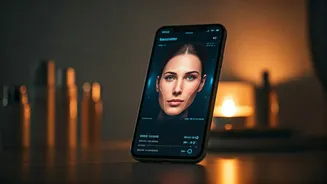
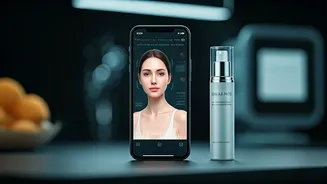
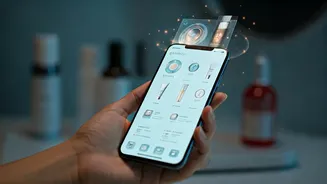
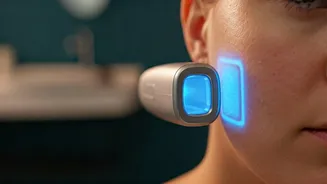
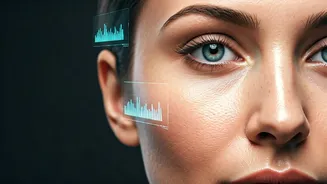
The most significant leap for AI beauty apps is the shift from fun to functional. The new generation of apps acts like a personal dermatologist. By using your phone's camera, advanced AI algorithms can perform a detailed skin analysis from a single selfie.
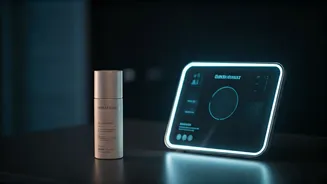
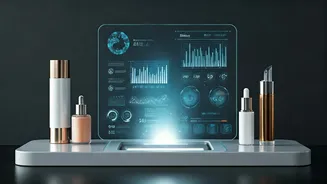
They can detect and score a wide range of concerns, including hydration levels, pore size, pigmentation, acne, and even fine lines. Some apps, like those from CureSkin in India, combine this AI analysis with dermatologist expertise to offer tailored care routines. This moves beyond generic advice, providing users with specific product recommendations and skincare regimens based on their unique and immediate skin condition.
Hyper-Personalisation Goes Mainstream
The one-size-fits-all approach to beauty is officially over, thanks to AI. Personalisation is the new mantra, and it extends far beyond skincare. Augmented reality (AR) has become incredibly realistic, allowing for virtual try-ons that are almost indistinguishable from the real thing. E-commerce giants in India like Nykaa have integrated this technology, allowing users to test lipstick shades and eyeliners from home. But it's smarter than just an overlay; the AI now analyses your facial geometry and skin undertones to recommend the most flattering shades. This move reduces the guesswork and return rates for online purchases, making consumers more confident in their choices.
Customisation for Diverse Indian Beauty
For years, the Indian market was flooded with beauty products designed for Western skin tones. AI is finally helping to correct this imbalance. New algorithms are being trained on vast and diverse datasets that include a wide spectrum of Indian skin tones and facial features. This allows apps to provide much more accurate foundation matching and product recommendations that cater specifically to the Indian consumer. Brands like Forest Essentials are even using these insights to develop customisable Ayurvedic formulations. The technology is becoming smart enough to understand and cater to the incredible diversity of beauty across the subcontinent.
Beyond Makeup: Hair and Wellness Integration
The intelligence of these apps isn't limited to skin and makeup. AI is also making inroads into hair care and holistic wellness. Some applications can analyse hair texture and porosity from a photo to recommend specific treatments and even connect users with specialised stylists. Others are blending beauty with wellness, using AI to suggest makeup looks based on astrological trends or personal goals like manifesting career success. The goal is to create a comprehensive beauty and wellness profile for the user, where recommendations for a new serum might be linked to data about their sleep patterns or diet.
The Fine Print: Privacy and Unrealistic Standards
With all this personal data being scanned and analysed, from your face geometry to your skin concerns, questions around privacy are inevitable. These apps collect a vast amount of sensitive information, and users should be aware of how their data is being used, stored, and protected. Furthermore, there is a growing concern that these tools, while powerful, could also reinforce narrow or unrealistic beauty standards. Doctors in India report a rising trend of younger clients wanting to look like their 'digitally perfected' selfies, a phenomenon sometimes called 'filter dysmorphia'. While AI can promote inclusivity, it can also amplify conventional norms if the training data is biased.