




A New Standard of Travel
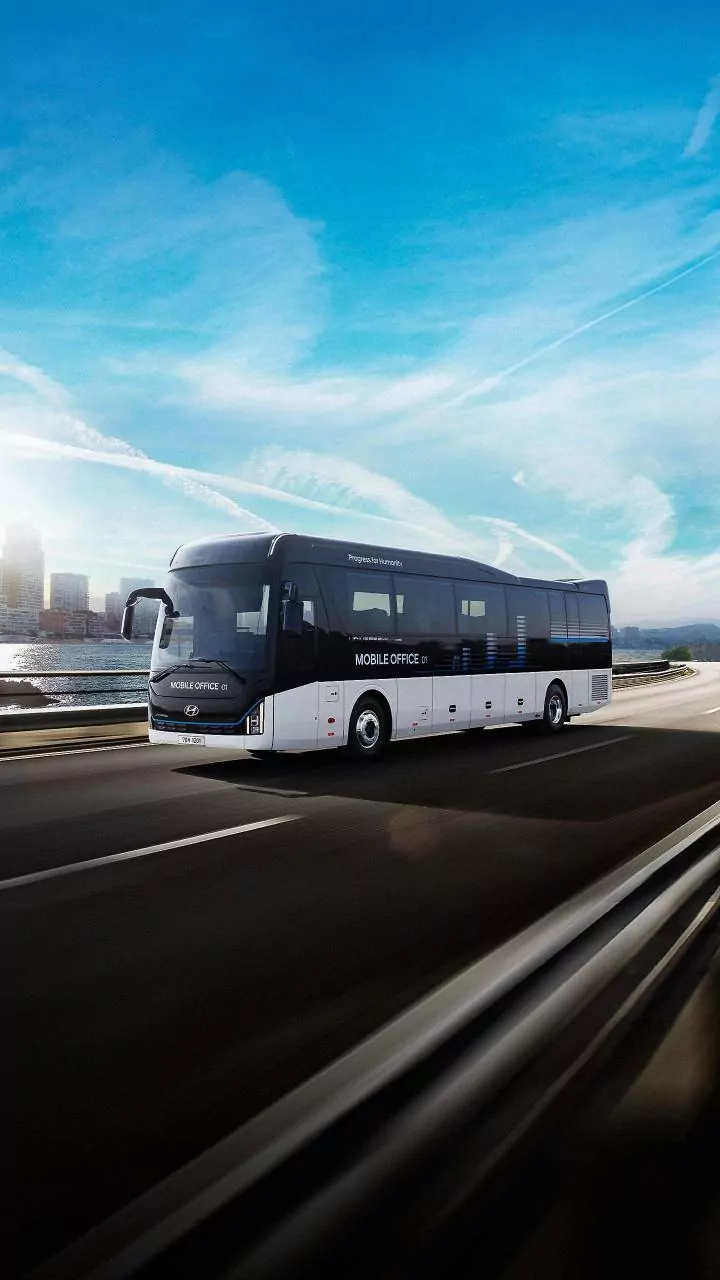
The term 'premium' in this new wave of electric buses isn't just a marketing tag. It signifies a tangible upgrade in the passenger experience that goes beyond the powertrain. Companies like NueGo, Fresh Bus, and zingbus are rolling out fleets designed
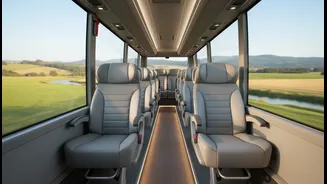
for comfort and convenience. Passengers can expect amenities such as spacious reclining seats with ample legroom, individual USB charging points, onboard Wi-Fi, and a smoother, quieter ride. The near-silent operation of an electric motor drastically reduces the noise and vibration common in diesel buses, creating a more relaxed travel environment. Many operators also focus on safety and reliability, with features like real-time bus tracking, CCTV surveillance, and professional crew, aiming to solve long-standing passenger pain points like punctuality and hygiene.
The Environmental Imperative
The most significant advantage of electric buses is their environmental impact, or lack thereof. With zero tailpipe emissions, they are a powerful tool in the fight against urban air pollution, a critical issue across Indian cities. The transportation sector is a major source of harmful pollutants like particulate matter and nitrogen oxides, with diesel buses being significant contributors. By replacing a single diesel bus with an electric one, the reduction in greenhouse gas emissions can be substantial. This transition is vital for India to meet its climate goals and improve public health. While the electricity source matters for the overall carbon footprint, the elimination of local, tailpipe emissions provides an immediate and noticeable improvement in air quality along traffic corridors.
The Companies Driving the Change
A growing number of private companies are investing in India's electric intercity bus network. GreenCell Mobility's NueGo was an early entrant, establishing routes connecting major cities like Delhi, Dehradun, Chennai, and Pondicherry. Fresh Bus, founded by the mind behind Abhibus, has rapidly expanded its network in South India, focusing on routes like Bengaluru-Tirupati and Hyderabad-Vijayawada. More recently, platform-based operators like zingbus announced plans to deploy over 200 premium electric buses across southern and western India, partnering with local operators to accelerate the transition. These companies are not just operating buses; they are building the entire ecosystem, including crucial charging infrastructure, which was previously non-existent for intercity routes.
The Road Ahead: Challenges and Opportunities
Despite the clear benefits, the path to mass adoption is not without its hurdles. The high upfront cost of electric buses, with the battery alone accounting for a significant portion, remains a primary challenge. Range anxiety and the need for a robust, widespread charging network are also major operational concerns. Journeys can be longer due to en-route charging stops, which can sometimes last for an hour or more, a factor that could deter time-sensitive travelers. However, government initiatives like the FAME (Faster Adoption and Manufacturing of Electric Vehicles) scheme are providing crucial financial incentives to offset costs for both manufacturers and operators. Furthermore, innovations in battery and charging technology are tackling these issues head-on. Partnerships are emerging to build ultra-fast charging stations that can power up a bus in as little as 15 minutes, making long-haul electric travel more feasible than ever.