




First, Identify the Invaders
Before you can treat the problem, you need to know what you are up against. Common pests on indoor and balcony plants include aphids, mealybugs, spider mites, and whiteflies. Aphids are small, pear-shaped insects that cluster on new growth. Mealybugs
look like tiny white cottony spots, often found where leaves join the stem. Spider mites are difficult to see, but they leave behind fine, web-like material on the underside of leaves, causing yellow stippling. Whiteflies are tiny, moth-like insects that fly up in a cloud when a plant is disturbed. Identifying the pest helps in choosing the right approach, though many homemade sprays are effective against a range of these soft-bodied insects.
The Basic Soap Spray Solution
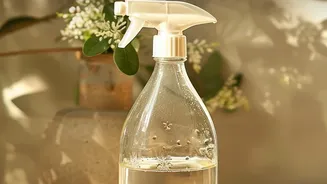
One of the simplest and most effective weapons in your pest control arsenal is a basic soap spray. This works by breaking down the outer layer of soft-bodied insects like aphids and mites, causing them to dehydrate. To make it, simply mix about one tablespoon of a mild liquid soap into one litre of water. It is crucial to use a pure soap, like castile soap, and avoid detergents or soaps with degreasers or bleach, as these can harm your plants. Pour the mixture into a spray bottle and shake well. This solution only works when it is wet and directly contacts the pests, so reapplication every few days may be necessary.
Harness the Power of Neem Oil
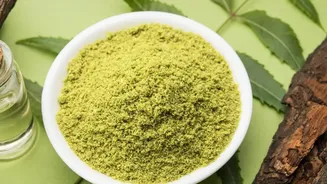
Neem oil, derived from the seeds of the neem tree, is a cornerstone of organic gardening in India and around the world. It acts as a broad-spectrum insecticide and also has fungicidal properties, making it useful against issues like powdery mildew. To create a neem oil spray, mix one teaspoon of pure, cold-pressed neem oil with one litre of warm water. Neem oil doesn't mix well with water on its own, so you will need to add an emulsifier. About half a teaspoon of mild liquid soap will help the oil and water combine. Shake the mixture vigorously before and during application to keep it from separating. This spray works by disrupting the life cycle of pests, affecting their ability to feed and reproduce.
Aromatic Deterrents: Garlic and Chilli
Some pests can be deterred by strong smells and tastes. A spray made from garlic and chilli can act as a potent repellent, making your plants less appealing to pests like spider mites, aphids, and even larger garden visitors. To prepare this, you can blend a couple of garlic bulbs and a few hot chillies with a cup of water. Let the mixture steep overnight, then strain it through a cloth to remove all the solid bits. Add this potent liquid to a litre of water along with a teaspoon of mild soap to help it adhere to the leaves. This spray is more of a deterrent than a killer, so it is best used to prevent pests from taking hold in the first place.
Best Practices for Application
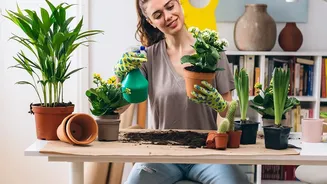
How you apply these sprays is just as important as what is in them. Always perform a patch test on a single leaf and wait 24 to 48 hours to ensure your plant doesn't have a negative reaction. The best time to spray is in the early morning or evening, as applying oils and soaps in direct, hot sunlight can burn the leaves. Be thorough with your application. Pests love to hide on the undersides of leaves and in the joints between stems and leaves, so make sure to cover all surfaces of the plant. Multiple applications, about a week apart, are often needed to completely break the pest life cycle and resolve the infestation.