




The Science of Healthier Snacking
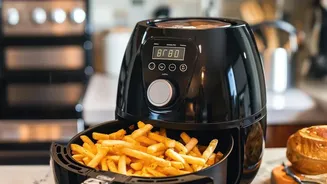
At its core, an air fryer is a compact convection oven that uses a fan to circulate super-heated air at high speed. This process, known as Rapid Air Technology, cooks food from all angles, creating a browning effect similar to deep-frying. The key difference
is the amount of oil. While traditional methods submerge snacks in hot oil, air frying requires just a teaspoon or a light spray to achieve a golden, crispy finish. Studies show this can reduce the fat and overall calorie count by as much as 75 percent. It also dramatically lowers the formation of potentially harmful compounds like acrylamide, which can be produced during high-heat frying. This means you can enjoy your favourite treats more often, without the associated health concerns of heavy oils.
The Perfect Air-Fried Samosa
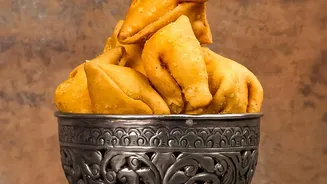
The king of Indian snacks, the samosa, adapts beautifully to the air fryer. The result is a pastry that’s flaky and crisp, rather than bubbly and oily. For homemade samosas, prepare your filling and wrap them as usual. If you're using frozen ones, there's no need to thaw them first. The trick is to give them a very light brush or spray of oil before cooking; this is what helps the pastry turn golden-brown. Arrange the samosas in a single layer in the air fryer basket, ensuring they don't overlap, which allows the hot air to circulate freely. A good starting point is to cook them at around 180°C for 12 to 15 minutes, flipping them halfway through to ensure they cook evenly on both sides until crisp and golden.
Mastering Guilt-Free Pakoras
Pakoras, or bhajis, are a bit more challenging but absolutely possible. Because a traditional wet batter would drip through the basket, the secret is to make it significantly thicker. When making onion or mixed vegetable pakoras, use the moisture from the vegetables themselves to bind the besan (gram flour), adding only a tiny bit of water if necessary to form a sticky, dough-like consistency. Adding a spoonful of rice flour can also create extra crispiness. Don't overcrowd the basket; place small spoonfuls of the mixture with space in between. Spray the tops with oil and air fry at around 190°C for about 10 to 12 minutes, flipping them carefully and spraying the other side halfway through the cooking time for an even crunch.
Crispy Aloo Tikki and Vadas
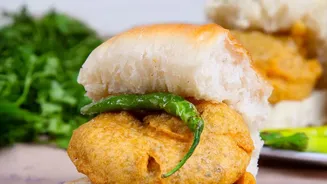
Aloo tikkis are incredibly simple to make in an air fryer. Just prepare your mashed potato mixture, shape them into patties, brush them lightly with oil or ghee, and they are ready to go. Cook them at 200°C for about 12-15 minutes, flipping once, until they are golden and crunchy on the outside and fluffy inside. For lentil-based vadas like medu vada, the principle is similar to pakoras: the batter must be thick enough to hold its shape. A light coating of oil helps achieve that signature golden hue without the deep-frying. The appliance’s contained heat also means you avoid the dangerous oil splatters common with frying vadas.
Beyond the Classics: More Snack Ideas
The possibilities don't stop there. An air fryer is a versatile tool for giving many regional favourites a healthy makeover. You can make crispy masala peanuts by coating raw peanuts in a thick besan paste and air-frying them for about 10 minutes. Even intricate snacks like chakli (murukku) and mathri can be made by preparing the dough as usual, shaping them, and then air frying until crisp. It’s also perfect for reheating leftover snacks, bringing them back to their original crispy glory in minutes, something a microwave simply cannot do. It encourages experimentation, inviting you to adapt your own family recipes to a lighter, modern cooking method.