




An Economy of Experiences
The foundation of this cultural shift is economic. With rising disposable incomes, India's Gen Z and millennial population are increasingly prioritising spending on experiences over possessions. This 'experience economy' has turned concerts from a rare
luxury into a planned, significant part of their social lives. The numbers are telling: India's live events segment experienced massive growth, surpassing INR 12,000 crore in 2024 and is projected to grow significantly in the coming years. This boom isn't just about ticket sales; it creates a powerful ripple effect, boosting tourism, hospitality, and retail in host cities. For many young attendees, the cost, which can include travel and accommodation, is an investment in a core memory.
From Global Streams to Local Stages
Digital access has flattened the world of music discovery. Streaming platforms have given young Indians direct access to global artists, creating a groundswell of demand that now makes India a must-stop destination on international tours. The arrival of mega-festivals like Lollapalooza, which drew around 60,000 fans in Mumbai, is a testament to this, with a significant portion of attendees being Gen Z. However, the story isn't just about international superstars. The domestic music scene is thriving in parallel. Homegrown artists like Diljit Dosanjh and Arijit Singh are commanding massive crowds, often proving more profitable and drawing equal or larger audiences in Tier-2 and Tier-3 cities. This dual appeal signifies a maturing market that celebrates both global trends and local identity.
More Than Just the Music
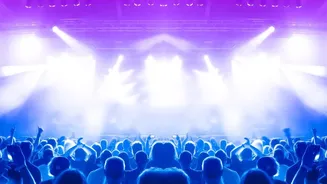
Attending a concert today is a multi-layered social event. It is as much about community and identity as it is about the music itself. For many, it's a chance to belong to a tribe, whether it's the 'Directioners' bonding over a shared love for a former band member or the collective energy of a rock concert uniting different generations. Social media plays a huge role, amplifying the fear of missing out (FOMO) and turning concerts into shareable content that defines one's social currency. The experience extends beyond the performance to include festival fashion, curated food experiences, and branded pop-ups, creating an immersive environment where the vibe is a key part of the attraction.
The New Map of Music
While Mumbai, Delhi, and Bengaluru remain major hubs, the concert culture is rapidly expanding across the country. Tier-2 cities like Ahmedabad, Pune, Jaipur, and Kochi are becoming vibrant music destinations, hosting unique festivals and events. This geographical diversification is creating new local economies and making live music more accessible. A single large concert in a smaller city can generate thousands of temporary jobs and inject crores into local businesses, from hotels to transport. This expansion has given rise to the 'event tourist'—young people who travel across states for concerts, combining their love for music with travel and exploration.
Challenges in a Booming Market
The rapid growth is not without its challenges. The industry has at times expanded faster than its supporting systems, leading to some concert postponements and cancellations. This reflects a market correction as organizers learn that India is not a single market but a collection of diverse micro-markets. Furthermore, there remains a gap in mid-sized venue infrastructure, creating a jump from smaller clubs to massive stadiums with little in between. For attendees, particularly students, the rising cost of tickets and travel can be a significant financial hurdle, even if it's one they are increasingly willing to plan for.