


From Feasting to Feeling Good
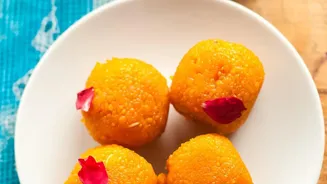
For generations, festive food in India meant unrestrained indulgence. Diwali was incomplete without mithai, Eid without sheer khurma, and Christmas without rich plum cake. These celebrations were marked by an abundance of rich, often deep-fried and sugar-laden
delicacies, a symbol of prosperity and joy. The philosophy was simple: feast today, worry tomorrow. It was a time when food was purely about community, tradition, and flavour, with little thought given to calories or digestion. This approach was manageable when such feasts were occasional, but modern lifestyles and a calendar packed with celebrations have prompted a rethink.
The Rise of Gut-Conscious Celebrating
In recent years, conversations around wellness in India have shifted focus to the gut. There's a growing understanding that gut health is linked to overall well-being, influencing everything from immunity to mood. This awareness, amplified by social media and wellness experts, has begun to reshape daily habits and, now, festive traditions. People are no longer willing to accept post-festival sluggishness and digestive discomfort as the norm. This has sparked a movement towards more mindful indulgence, where the goal is to enjoy the festivities without compromising on feeling good long after the celebrations are over.
Smarter Swaps, Not Sacrifices
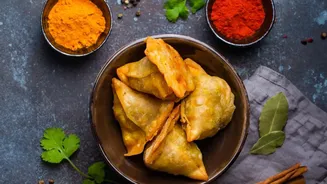
The new festive plate isn't about deprivation; it's about intelligent substitution. Home cooks and chefs are reviving traditional ingredients that are naturally healthier. Refined white sugar is being replaced with jaggery or dates for natural sweetness. Maida (refined flour) is giving way to whole grains and millets like ragi and jowar, which are rich in fibre and nutrients. Frying is also being reconsidered, with many opting to bake or air-fry snacks like samosas and murukku to cut down on oil. These swaps allow for the creation of treats that retain their traditional soul but are lighter and easier on the digestive system.
The Mindful Eating Mindset
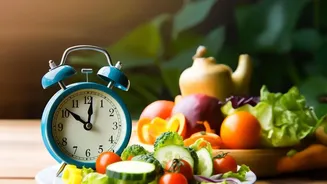
Beyond changing recipes, the biggest shift is in the approach to eating itself. The concept of mindful eating—savouring each bite, eating slowly, and listening to your body's hunger cues—is gaining traction. Nutritionists advise against skipping meals to "save room" for a feast, as this often leads to overeating and bloating. Instead, they suggest having a small, healthy snack before a big party to avoid arriving ravenous. Portion control is also key; enjoying a small piece of a traditional sweet is encouraged over complete avoidance. This approach fosters a healthier relationship with food, removing the cycle of guilt and restriction that often accompanies festive periods.
Fermented Foods Find a Place
Another interesting development is the inclusion of fermented foods and probiotics to support gut health during festive times. Traditional Indian cuisine is rich in fermented options like curd, buttermilk, and idli, which are being rediscovered for their health benefits. Many now consciously incorporate a bowl of curd or a glass of buttermilk into their festive meals to aid digestion. Nutritionists also recommend practices like drinking plenty of water and sipping on herbal teas with ginger or fennel to soothe the stomach after a rich meal. This proactive approach to digestive comfort is a hallmark of the modern festive experience.