



The Long-Standing Mystery of Dog Years
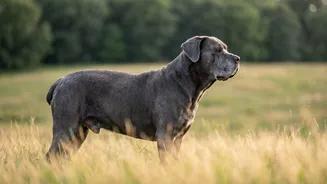
Dog owners have always known that a Chihuahua can live to see its 16th birthday, while a giant breed like a Mastiff is considered elderly by age seven. This paradox defies a general rule in the animal kingdom, where larger mammals like whales and elephants
typically outlive smaller ones like mice. For decades, the reasons were thought to be a mix of factors like increased strain on joints and organs or a higher risk of certain diseases. While these are contributing factors, researchers suspected a deeper biological mechanism was at play, one that explained not just that big dogs die sooner, but why their bodies seem to be on a faster track from the very beginning.
A Groundbreaking Genetic Study
To solve this puzzle, researchers from initiatives like the Dog Aging Project embarked on a massive undertaking. One recent landmark study, published in the journal 'Science', analysed genetic material from nearly 900 companion dogs across a vast range of breeds and sizes. Instead of just looking at the DNA sequence itself, they focused on epigenetics—the chemical tags on DNA that control which genes are turned on and off. These tags, a process known as DNA methylation, change predictably with age, acting like a 'biological clock'. The study's goal was simple yet profound: to see if the biological clocks of large dogs tick faster than those of small dogs.
It's Not Just Age, It's the Pace of Aging
The findings were conclusive: large dogs don't just live shorter lives; they genuinely age faster at a molecular level. Their epigenetic clock ticks at an accelerated rate. For every chronological year, the cells of a large dog age more than a year biologically. The research specifically pointed to a loss of control over something called 'jumping genes' or transposable elements. These are segments of DNA that can copy themselves and move around the genome, potentially causing damage and instability that leads to age-related diseases like cancer.
The Role of 'Jumping Genes'
Our bodies—and dogs' bodies—use DNA methylation to keep these jumping genes locked down. As an animal ages, this methylation naturally wears away, allowing the jumping genes to become more active. The study found that this process happens significantly faster in bigger dogs. A key finding showed that in regions related to a jumping gene called LINE1, large breeds lose their protective methylation marks at a much higher rate. On average, giant breeds lost about 35% more of this crucial regulation per year compared to small breeds. This loss of control is believed to be a major driver of the accelerated aging and higher cancer incidence seen in large breeds.
An Evolutionary Trade-Off
Ultimately, this phenomenon is an unintended consequence of human selection. For centuries, we have bred dogs for specific traits, especially size. In doing so, we created a 'live fast, die young' evolutionary trade-off. The same biological pathways that promote rapid growth in large-breed puppies also seem to accelerate their aging process. The body prioritises getting big quickly over the long-term maintenance of cellular health and DNA repair. This research highlights that the price for a Great Dane's majestic stature is paid at the cellular level, compressing a biological lifetime into fewer years.