


The aisles of your local supermarket are changing. Beyond the familiar ketchup and mass-market pickles, a colourful and flavourful revolution is quietly unfolding as unique regional sauces and chutneys from across India find their way onto city shelves.
A Pantry Beyond the Usual
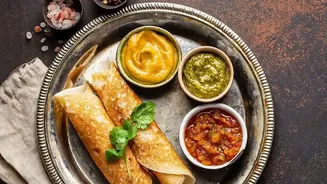
For years, the condiment shelf in most urban Indian homes was predictable. It housed a few trusted brands of tomato ketchup, maybe a green chilli sauce, and a standard mango pickle. But a delicious disruption is underway. Today, you are increasingly likely to find the sharp, pungent notes of Bengali Kasundi, the fiery kick of Maharashtrian Thecha, the sour complexity of Andhra's Gongura pachadi, or the unique smokiness of a Naga chilli chutney sitting right beside them. These are not mere condiments; they are potent carriers of regional identity, offering a direct taste of India's immense culinary diversity without having to travel. What was once the preserve of home kitchens or local markets in specific states is now becoming accessible to curious food lovers in metros, thanks to a confluence of new-age entrepreneurship and shifting consumer desires.
The Rise of the D2C Flavour Makers
This trend is largely powered by a new generation of direct-to-consumer (D2C) brands. Many of these ventures were born during the pandemic, when home-bound foodies began exploring new tastes and cooking experiments. Entrepreneurs, often with personal connections to these regional recipes, saw an opportunity. They started small, using social media to tell the stories behind their products and building communities of loyal customers. Brands began bottling everything from Rajasthani Kachri chutney to Uttarakhand's Bhang ki chutney, focusing on authentic recipes and high-quality ingredients, often without the preservatives found in mass-produced alternatives. By leveraging e-commerce and quick commerce platforms, these small-batch producers have been able to bypass the complex distribution networks dominated by large FMCG companies, reaching urban customers directly.
A Quest for Authenticity and Wellness
The demand side of this equation is just as important. Urban consumers are increasingly adventurous and informed. There's a growing desire for 'authentic' food experiences that connect them to India's heritage. After years of exposure to global cuisines, many are now turning inward, seeking to explore the richness within their own country. This quest for authenticity is often linked to wellness. Consumers are more conscious of what they eat, preferring products with clean labels, natural ingredients, and a clear origin story. A small-batch, artisanal chutney made with a traditional recipe often feels more trustworthy and healthier than a factory-produced sauce with a long list of chemical additives. This shift has forced even larger, established players to rethink their offerings and, in some cases, launch their own regional or premium lines to compete.
From Niche to Mainstream
What started online is now spilling over into physical retail. As these regional sauces gain a following, modern retail chains and gourmet food stores in metropolitan areas are taking notice. They are expanding their international and local food sections to include these new, popular brands. This creates a virtuous cycle: increased visibility in stores leads to more people trying these products, which in turn fuels greater demand and encourages more entrepreneurs to enter the market. The journey from a small, regional kitchen to a national supermarket shelf is still challenging, involving hurdles like scaling production, maintaining consistency, and managing logistics. However, the path has been paved. The success of early movers has shown that there is a significant, and growing, market for hyper_regional Indian flavours.