

Winter's Warming Superfood
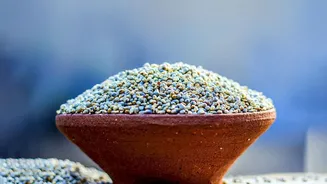
Bajra has been a winter staple in India for centuries, especially in regions like Rajasthan, Gujarat, and Maharashtra. According to Ayurveda, it is considered a 'warming' food, meaning it helps generate heat in the body, making it ideal for colder months.
This isn't just folklore; the grain is packed with complex carbohydrates that provide sustained energy, helping the body maintain its temperature. Nutritionally, Bajra is a powerhouse. It is naturally gluten-free and rich in essential minerals like magnesium, iron, and phosphorus. This impressive profile contributes to better bone health, reduced fatigue, and a stronger immune system, which is often needed during winter. The high fibre content also aids digestion, which can become sluggish in colder weather, and promotes a feeling of fullness to manage winter cravings.
Getting Started with Bajra Flour
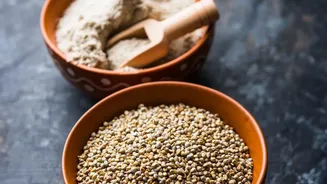
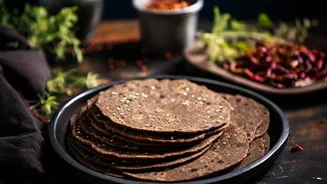
Cooking with Bajra is simpler than you might think. It's most commonly available as flour (atta), which has a distinctive greyish hue and a nutty, earthy flavour. When making dough for rotis, a key tip is to use warm water, as it makes the gluten-free flour easier to handle and shape. Unlike wheat flour, Bajra dough doesn't require extensive kneading. A gentle mix until it comes together is sufficient. Because it lacks gluten, the dough can be delicate, so it's best to pat the rotis into shape with your hands rather than using a rolling pin, though beginners can roll it between sheets of parchment paper. Starting with a blend of half Bajra and half whole wheat flour can also make the dough more manageable as you get accustomed to its texture.
The Classic Bajra Roti
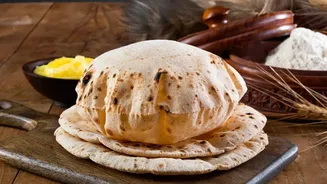
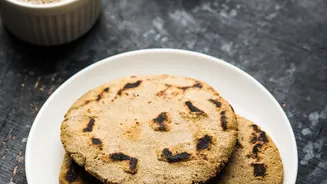
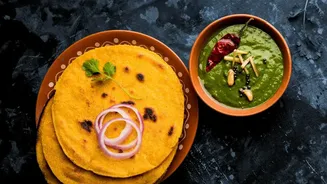
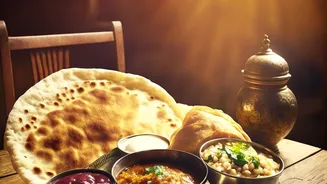
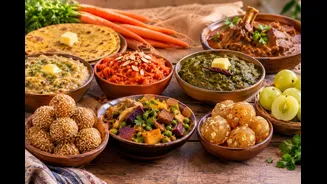
The most iconic Bajra preparation is the simple, rustic roti. A winter meal in many North Indian homes is incomplete without a stack of these flatbreads. To prepare, just knead Bajra flour with warm water and a pinch of salt until a soft dough forms. Pat it into small, thick rotis and cook on a hot tawa. As it cooks, press the edges gently with a cloth to help it puff up. The roti is best served hot, straight off the griddle, with a generous dollop of white butter or ghee. This not only enhances the flavour but also adds to the dish's warming properties. It pairs beautifully with classic winter accompaniments like Sarson ka Saag (mustard greens curry), Baingan Bharta (smoked eggplant mash), or simply a piece of jaggery.
A Hearty One-Pot Khichdi
For a truly comforting one-pot meal, Bajra Khichdi is an unbeatable choice. It’s a wholesome dish that combines whole pearl millet with lentils (usually moong dal), seasonal vegetables, and mild spices. To make it, the whole Bajra grains need to be soaked for at least 6-8 hours or overnight to soften them. Once soaked, you can pressure cook the millet and dal with turmeric, ginger, and vegetables like carrots and peas until it reaches a soft, porridge-like consistency. A final tempering (tadka) of ghee, cumin seeds, and a pinch of asafoetida (hing) poured over the top elevates the aroma and flavour, turning a simple meal into a deeply satisfying winter hug in a bowl.
Breakfast, Snacks, and Sweets
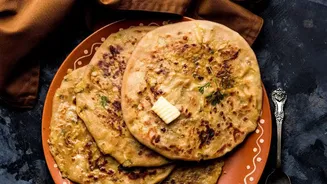
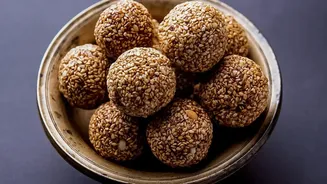
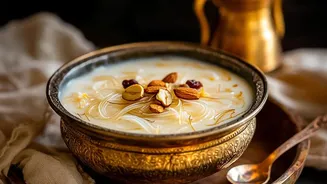
Bajra's versatility extends far beyond rotis and khichdi. For a nourishing start to a cold day, try a warm Bajra porridge, which can be made sweet with jaggery and cardamom or savoury with salt and pepper. You can also make a quick Bajra Dosa or Uttapam by mixing the flour with yogurt and spices. For a healthy snack, Bajra Methi Puris, made by adding fresh fenugreek leaves to the dough, are a popular choice. And to satisfy your sweet tooth, Bajra Laddoos are a traditional winter treat. Made by roasting the flour in ghee and binding it with jaggery and nuts, these energy balls are both delicious and heat-generating.