
A New Map for a New Frontier
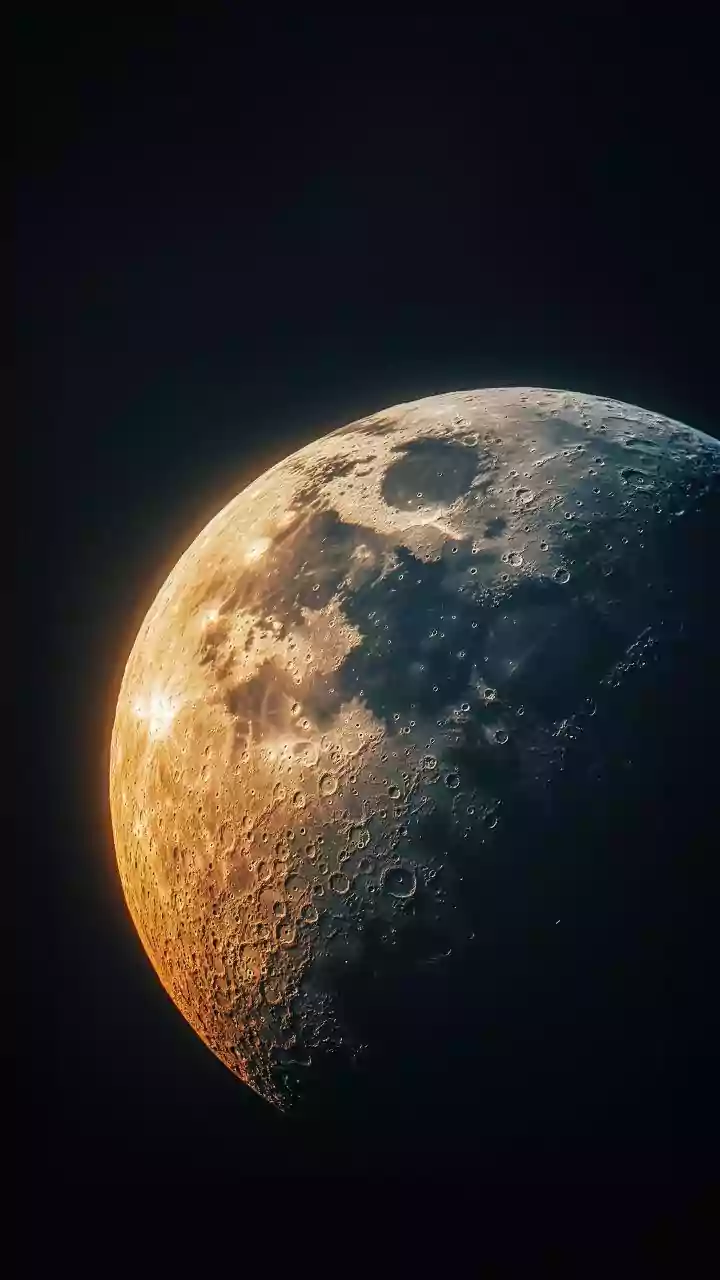
For decades, scientists have theorized about water on the Moon. Early missions, including Apollo, suggested our satellite was bone-dry. But a series of discoveries starting in the 2000s challenged that idea, with missions like India's Chandrayaan-1 providing
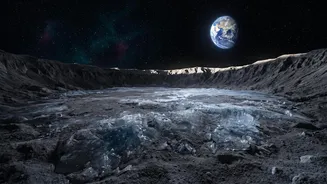
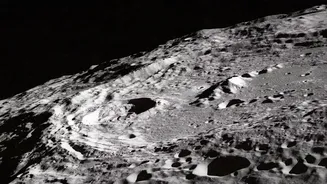
the first strong evidence of water molecules. Today, the search has evolved from a simple question of 'if' to a detailed investigation of 'where' and 'how much'. Recent data from a suite of advanced orbital and surface missions is creating the first truly detailed maps of these vital deposits. Missions are using sophisticated tools like neutron spectrometers and thermal imaging cameras to peer into permanently shadowed craters at the lunar poles. These regions, which haven't seen sunlight in billions of years, are cold enough to have trapped vast quantities of water ice. New studies suggest these ice deposits are far more stable than previously thought, offering a significant boost to future exploration plans.
Peering into Permanent Shadow
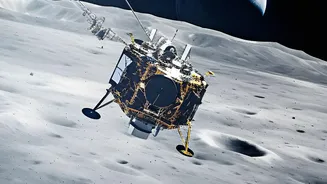
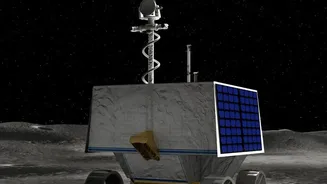
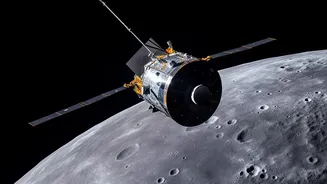
Finding this water is a technological feat. Orbiters like NASA's Lunar Trailblazer were designed to use thermal mappers to scan surface temperatures, helping to pinpoint locations where ice could be stable. These missions work in tandem with spectrometers that analyze reflected light to differentiate between water (H2O) and its chemical cousin, hydroxyl (-OH). On the ground, the approach is becoming even more direct. Missions like the Polar Resources Ice Mining Experiment-1 (PRIME-1) have tested drilling technology, such as the TRIDENT drill, designed to bore a meter into the lunar regolith (soil). As it drills, an accompanying mass spectrometer analyzes the excavated material and gases for signs of water and other volatile compounds, which could one day provide breathable air or fuel. Recent studies published in mid-2026 even propose using seismology—listening to how 'moonquakes' or rover drills vibrate through the ground—to detect ice buried far deeper than current instruments can see.
The Ultimate Off-World Resource
So, why is this discovery so important? Because launching materials from Earth is prohibitively expensive. Every kilogram sent into space costs thousands of dollars, and a gallon of water weighs nearly four kilograms. The ability to access water on the Moon—a practice known as in-situ resource utilization (ISRU)—completely changes the economics of space exploration. Water is the single most valuable resource off-planet. It can be purified for drinking and for growing plants in lunar greenhouses. But its true value lies in its chemical components: hydrogen and oxygen. Using electricity generated by solar panels, water ice can be split through electrolysis. This process yields oxygen for breathable air inside habitats and hydrogen, a primary component of rocket fuel. In essence, the Moon could become a self-sufficient outpost and a refueling station for missions venturing deeper into the solar system, such as to Mars.
Fueling the Artemis Generation
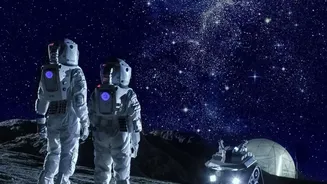
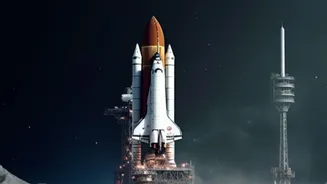
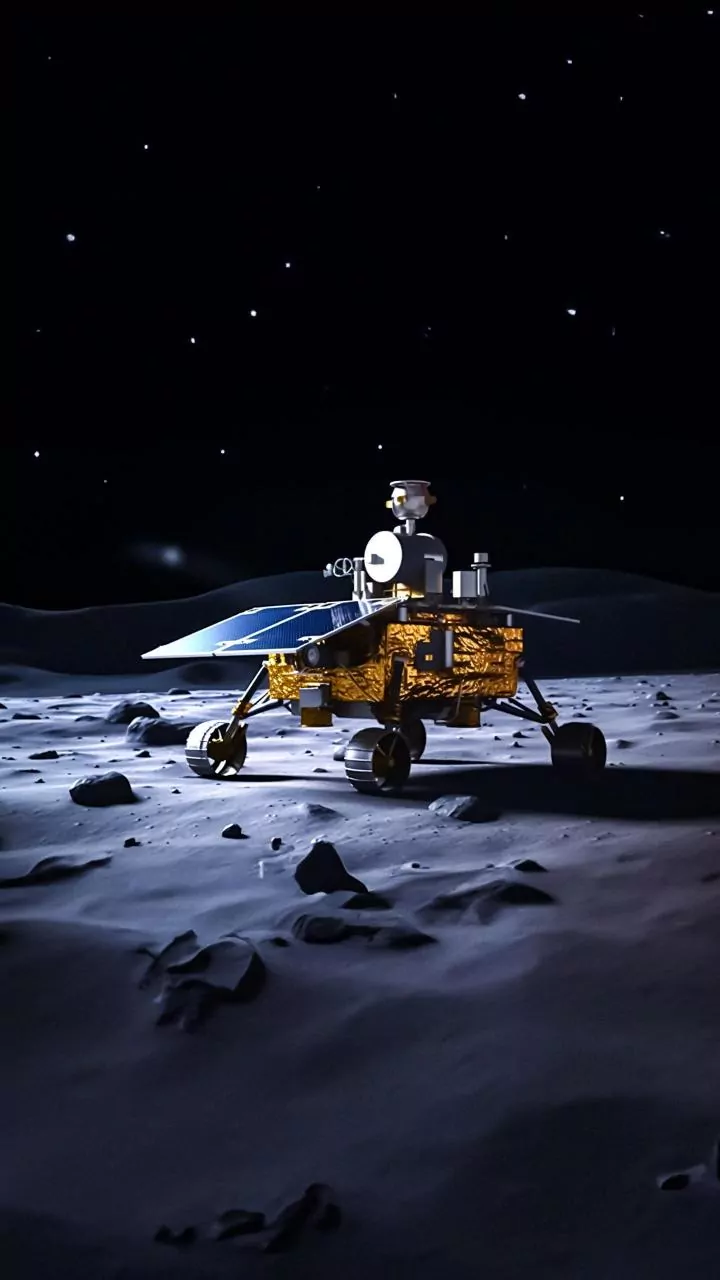
These findings are directly fueling the next wave of human spaceflight. NASA's Artemis program, which aims to establish a long-term human presence on the Moon, relies heavily on the promise of lunar water. Knowing the precise location and accessibility of these ice deposits is critical for selecting landing sites and planning surface operations. The work is not just an American effort. A mission involving the Japanese (JAXA) and Indian (ISRO) space agencies, set for no earlier than 2028, will carry a NASA-built neutron spectrometer to search for ice. And just this week, the European Space Agency (ESA) officially signed on for its first lunar rover mission, MAGPIE, which will launch in 2029 to investigate water ice at the south pole. By confirming and mapping these resources, deep space sensors are laying the essential groundwork, turning ambitious blueprints for lunar bases into achievable engineering projects. The race is no longer just about getting back to the Moon; it's about learning how to live there.