
Why Drainage Is Your Plant's Best Friend
In nature, soil is part of a vast system that allows excess water to run off. In a pot, your plant is in a closed environment. Drainage holes are the essential escape route for water. When you water a plant, its roots absorb what they need. Any leftover
water must go somewhere. Without an exit, this water pools at the bottom, saturating the soil. Plant roots need oxygen to survive just as much as they need water. Waterlogged soil cuts off the air supply, effectively suffocating the roots. This creates the perfect environment for fungi and bacteria to thrive, leading to a deadly condition known as root rot.
The Silent Threat of Root Rot
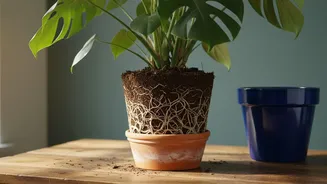
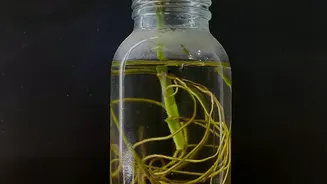
Root rot is the most common killer of potted plants, and it often starts silently below the soil. The initial signs can be misleading. You might see yellowing or wilting leaves and assume your plant needs more water, when in fact, the opposite is true. As the roots rot, they turn from healthy white to brown or black mush. They lose their ability to absorb water and nutrients, causing the plant to starve despite being in wet soil. A musty or foul smell from the soil is another tell-tale sign that trouble is brewing. Using a decorative pot without drainage is one of the fastest ways to invite this problem.
Debunking a Common Myth: The Gravel Layer
For decades, a popular piece of advice was to add a layer of gravel or stones to the bottom of pots without holes to 'improve drainage.' However, horticultural science has shown this to be a myth that actually harms your plants. Water does not move easily from fine-textured material (soil) to a coarse-textured one (gravel). Instead of draining through, water collects in the soil just above the gravel layer. This phenomenon creates what is called a 'perched water table'. In effect, you are not creating drainage; you are simply raising the soggy, waterlogged zone higher up in the pot, closer to your plant's delicate roots and reducing the total volume of healthy soil available to them.
A Simple Guide to Safe Repotting
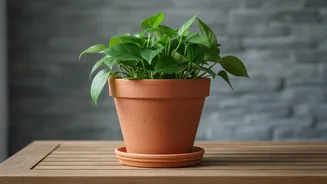
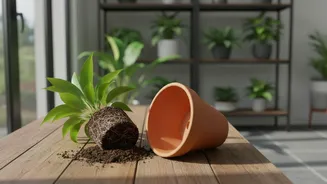
When your plant has outgrown its current home, follow these steps for a safe transition. First, choose a new pot that is no more than two inches wider in diameter than the old one, and make sure it has at least one drainage hole. Water your plant an hour or so before you begin to minimise stress. Gently remove the plant from its current pot; you might need to squeeze the sides if it's in a plastic container. Loosen the root ball with your fingers, trimming any roots that look dead or mushy. Place a small amount of fresh, well-draining potting mix in the new pot, set the plant inside, and fill in the gaps with more soil. Water thoroughly until you see it run out of the drainage hole, and then empty any excess from the saucer.
What If You Love a Pot Without Holes?
Sometimes you find the perfect decorative planter, but it lacks drainage. You don't have to give it up. The safest solution is to use the 'double potting' method. Keep your plant in a simple plastic nursery pot that has plenty of drainage holes. Then, place this pot inside your decorative planter, which acts as a 'cachepot'. After watering, simply lift the inner pot out, let it drain completely, and then place it back in the decorative container. This gives you the best of both worlds: a healthy plant and a stylish look. Alternatively, if you're feeling adventurous and the material allows, you can carefully drill your own holes into the bottom of the pot.