


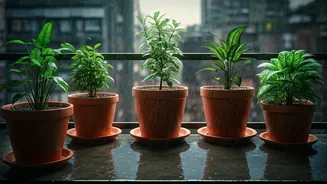


The Deluge and The Drain
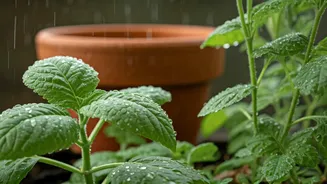
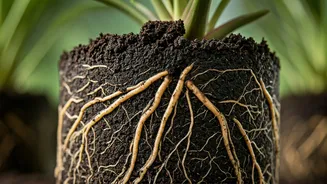
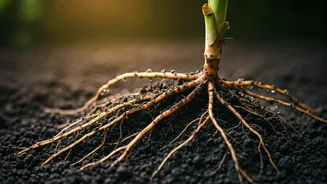
The single greatest challenge during the Indian monsoon is not a lack of water, but an excess of it. Continuous downpours can quickly lead to waterlogged pots, suffocating roots and causing the dreaded root rot. This is the first and most critical item
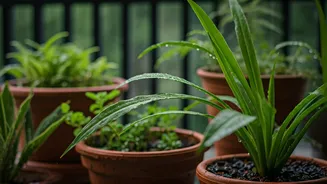
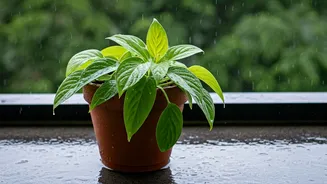
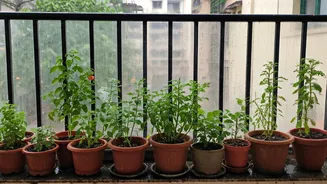
on your audit checklist: drainage. Before it’s too late, check that every pot has unobstructed drainage holes. If a pot sits flat on the floor, water may not escape effectively; elevating pots on small bricks or plant stands can be a game-changer. For particularly delicate plants, consider moving them to a more sheltered spot to avoid the direct force of heavy rain, or even temporarily shifting them indoors during relentless storms. Remember, on days with heavy rain, your manual watering schedule should be paused. Always check the soil first; if it's moist an inch down, it doesn't need more water.
The Soil and Nutrient Review
Heavy rain doesn’t just bring water; it actively washes away vital nutrients from the soil in your pots. This process, known as leaching, can leave your plants starved even as they are drowning. Your second audit point is soil health. During the monsoon, it's wise to reduce the use of chemical fertilizers, as they are quickly washed out and can be ineffective. Instead, opt for slow-release organic options like vermicompost or compost. A light top dressing every few weeks can replenish what the rain washes away without overwhelming the plants. A well-draining potting mix is also essential from the start. A good mix for the rainy season often includes soil, cocopeat, and compost, perhaps with some sand or perlite to improve aeration and prevent compaction.
Pest and Fungus Patrol
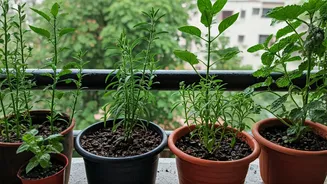
High humidity and damp conditions create a five-star resort for unwelcome guests like slugs, snails, aphids, and mealybugs. Fungal diseases, such as powdery mildew and leaf spot, also thrive in this environment. Your audit must include a vigilant pest patrol. Inspect your plants regularly, paying close attention to the undersides of leaves and new shoots where pests love to hide. To prevent fungal growth, ensure there is good air circulation between your pots; avoid overcrowding. Pruning dead or yellowing leaves is also crucial, as this decaying matter can harbour pests and diseases. For a natural and effective defence, a preventive spray of neem oil mixed with a little soap and water can work wonders against both pests and fungi.
Pruning and Providing Support
The monsoon often brings strong winds along with the rain, posing a physical threat to your plants. Taller or more fragile plants can easily break. Providing support by tying them gently to stakes or a trellis can prevent wind damage. Pruning is also a key task during this season, but not just for aesthetics. Trimming dense foliage helps improve air circulation, which is vital for preventing the fungal diseases that thrive in stagnant, humid air. Removing any weak or damaged branches also allows the plant to direct its energy towards stronger, healthier growth. This strategic trimming is part of a successful audit, ensuring your plants are lean and resilient enough to face the challenges of the season.
The Monsoon-Ready Roster
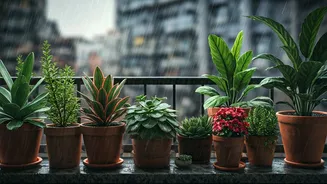
While you work to protect your existing plants, the monsoon audit might also reveal that some are simply not suited for this season. Succulents and cacti, for example, are prone to rot with excess moisture. Conversely, this is the perfect time to introduce plants that love the rain. The monsoon is a prime growing season in India. Plants like hibiscus, jasmine, and bougainvillea often burst into bloom. Rain lilies, true to their name, produce beautiful flowers after a good shower. Lush foliage plants like monstera, ferns, and areca palms thrive in the high humidity. Even herbs like mint and tulsi grow vigorously. Embracing these monsoon-friendly species can turn your balcony from a space you're trying to protect into one that truly celebrates the season.