



A Vision Takes Flight
After years of planning and navigating regulatory hurdles, the Uttar Pradesh government's plan for a Night Safari and Zoological Park in Lucknow's Kukrail Reserve Forest has received the final go-ahead from the Supreme Court in July 2026. This clears
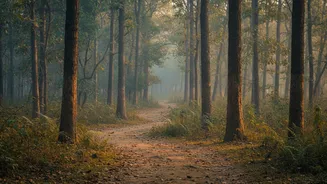
the path for a project estimated to cost around ₹1,500 crore, positioning Lucknow on the global map alongside cities like Singapore, which have popular night safaris. The project is designed to be developed in two phases within the ecologically significant 2,027-hectare forest, with about 855 acres dedicated to the new complex. The vision is not just to create a tourist attraction but to establish a centre for wildlife conservation, education, and research.
More Than Just a Night Safari
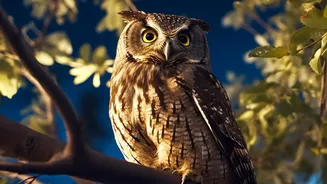
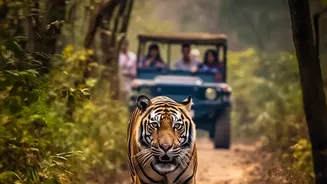
The project is a multi-faceted development. The headline attraction is India's first urban night safari, where visitors can observe nocturnal animals in their most active state. This experience will be facilitated by quiet, battery-operated trams navigating trails under a specially designed lighting system that mimics moonlight, ensuring minimal disturbance to the animals. Beyond the safari, the plan includes a modern day-zoo, nature trails, and visitor interpretation centres. Initial plans to relocate the existing Nawab Wajid Ali Shah Zoological Park to Kukrail have been scrapped, as have certain features like a large adventure zone, following recommendations to preserve the area's ecological balance.
Wildlife in the Moonlight
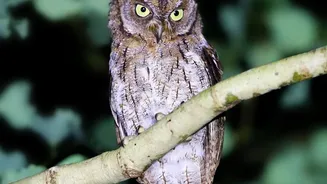
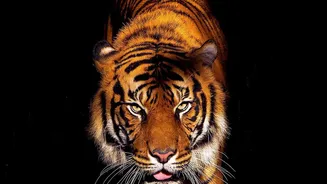
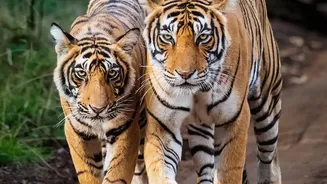
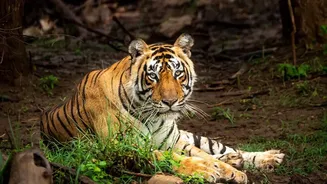
The safari is set to house a diverse range of animals in large, naturalistic enclosures designed to replicate their native habitats with grasslands, wetlands, and rock formations. Visitors can expect to see majestic species like Asiatic lions and Bengal tigers, as well as leopards, hyenas, and sloth bears. The design will feature themed zones, including some inspired by the African savanna. The park plans to have around 42 enclosures for the night safari, housing 54 species, and aims to eventually host over 100 species in total, making it one of India's largest integrated wildlife tourism projects.
Balancing Ecology and Tourism
A key part of the project's identity is its focus on eco-tourism. The entire concept is built around the idea of observing animals in a manner that respects their natural rhythms. The Kukrail forest is already home to the highly successful Gharial Rehabilitation Centre, established in 1975, which has been crucial in conserving the critically endangered species. This conservation legacy will continue alongside the new development. The Supreme Court's approval came with strict conditions, mandating compliance with all environmental safeguards set by bodies like the Central Zoo Authority and the Ministry of Environment, Forest and Climate Change. For example, a proposal to build a four-lane road was limited to two lanes to protect the forest.
The Path Ahead
With the final legal clearance secured, construction on the first phase of the project is expected to begin soon. This initial phase, which focuses on the night safari itself, is estimated to take around two years to complete. The project is a significant step for Uttar Pradesh's tourism sector, aiming to add a major wildlife destination to a state already known for its cultural and historical sites like Agra, Varanasi, and Ayodhya. Officials anticipate a significant number of visitors, potentially 4,000 on weekdays and up to 8,000 on holidays, boosting the local economy and creating employment. For wildlife enthusiasts, it promises a unique opportunity to experience India's nocturnal ecosystems like never before.