



The Fading Allure of Fickle Foliage
Not long ago, social media feeds were dominated by aesthetically pleasing but notoriously difficult plants. The Fiddle Leaf Fig, with its broad, dramatic leaves, became a must-have accessory for any stylish home. However, many plant parents soon discovered
these green divas are incredibly particular. They demand specific light conditions—not too direct, not too dark—and are notoriously sensitive to drafts, overwatering, and underwatering. Keeping one alive can feel like a full-time job, a commitment that doesn't align with the demanding schedules of many urban Indian professionals. The frustration of watching an expensive, trendy plant wither away has led many to question whether the stress is worth the aesthetic reward.
Meet the Hardy Heroes
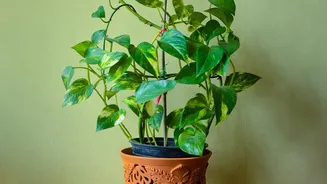
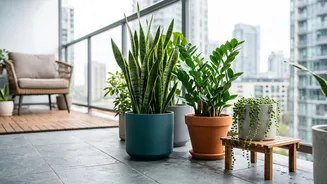
In place of these demanding beauties, a new cast of 'hardy heroes' has risen in popularity. Plants like the Snake Plant and the ZZ Plant are leading the charge. The Snake Plant, often called one of the most resilient indoor plants, can survive low light and needs watering only once every few weeks. Similarly, the ZZ Plant is a champion of neglect, thriving even when ignored for long periods due to its ability to store water in its rhizomes. Other popular choices include the ubiquitous Money Plant (Pothos), which grows easily in various conditions, and the elegant Peace Lily, which conveniently droops to let you know when it's thirsty. These plants offer the green, calming presence people crave without the constant worry.
A Reflection of Modern City Life
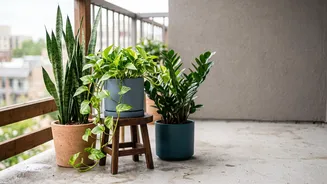
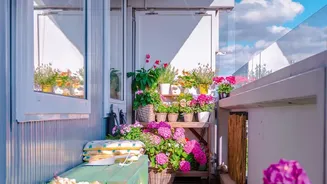
This shift towards low-maintenance greenery is a direct reflection of modern urban Indian life. For millennials and Gen Z living in bustling metros, life is a juggle of long work hours, social commitments, and often, compact living spaces. Balconies and windowsills have become the new backyards. In this context, gardening needs to be a source of joy and stress relief, not another chore on an already long to-do list. The appeal of a plant that can tolerate a missed watering session during a busy work week or survive while its owner is away on a trip cannot be overstated. It’s about achieving a green sanctuary that adapts to a busy lifestyle, rather than a lifestyle that revolves around a plant's demanding needs.
A Smarter, More Sustainable Choice
The move towards resilience isn't just about convenience; it's also about a growing awareness of sustainability and climate. Indian weather, which can range from scorching summers to humid monsoons, can be tough on non-native, delicate plants. Forcing an exotic plant to survive in a climate it isn't suited for often requires more resources and effort, and frequently ends in failure. Choosing hardy, climate-compatible plants is a more sustainable practice. It represents a mindful approach to gardening that respects local conditions. This thoughtful selection process ensures the plants don't just survive but truly thrive, creating a healthier and more enduring green space.
Redefining the 'Green Thumb'
Ultimately, this trend redefines what it means to have a 'green thumb'. The mark of a successful plant parent is no longer the ability to keep the most difficult plant alive. Instead, it's about creating a harmonious environment where both the plants and the person can flourish. It is a shift from aspiration to reality, from performance to peace. The goal is to build a personal jungle that purifies the air, calms the mind, and enhances the home, all without demanding constant attention. This new wave of plant parenting is less about horticultural prowess and more about a practical, joyful, and sustainable connection with nature in the heart of the city.