



The Rise of the Himalayan Workstation
The digital nomad movement in India is maturing, moving beyond bustling cities and coastal hubs towards the quiet contemplation of the mountains. Uttarakhand has emerged as a premier destination for those looking to blend productivity with peace. The appeal
is simple: fresh air, inspiring landscapes, a lower cost of living, and a slower pace of life. More than just a temporary escape, these hill stations are becoming viable long-term bases for freelancers, entrepreneurs, and remote employees. With improving internet infrastructure and a growing number of work-friendly homestays and cafes, the barriers to a mountain work-life are steadily dissolving. The key is finding a location that matches your work demands and personal style.
Landour: A Whisper-Quiet Colonial Retreat
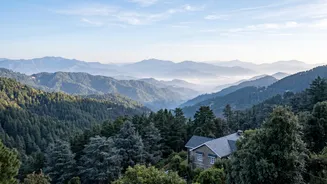
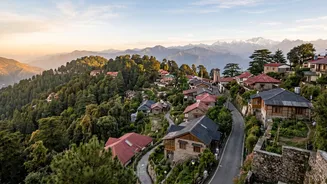
Perched just above the commercial buzz of Mussoorie, Landour is a British-era cantonment town that feels preserved in time. Its winding roads, pine-scented air, and colonial-style cottages create an atmosphere of profound tranquility. For the digital nomad, Landour is less about dedicated co-working spaces and more about finding a quiet corner in a heritage guesthouse or a charming cafe like the famous Landour Bakehouse. Life here is slow and introspective, ideal for writers, creators, or anyone needing deep focus. The community is small and discreet. While fiber internet is available, options for long-term rentals are scarce and can be expensive due to strict heritage norms preventing new construction. It's a perfect fit for those who crave solitude and are willing to pay a premium for its serene, old-world charm.
Almora: Cultural Heartbeat of Kumaon
In contrast to Landour’s quietude, Almora is a bustling town steeped in Kumaoni culture. It offers a more grounded and immersive experience. For digital nomads, Almora and its serene outskirts like Kasar Devi provide a blend of local life and creative energy. The area has long been a haven for artists, writers, and spiritual seekers, fostering a unique and welcoming community. Co-living here often takes the form of work-friendly homestays that offer a taste of authentic Himalayan hospitality alongside reliable Wi-Fi. The cost of living is generally more affordable than in the Mussoorie-Landour belt, with better access to local markets and amenities. Almora is suited for nomads who want to connect with a local culture, enjoy a vibrant community, and have stunning Himalayan peak views without complete isolation.
Connectivity, Cost, and Community
The practicalities of a mountain workation hinge on three things: internet, budget, and people. In both Landour and Almora, internet connectivity has improved significantly, with many accommodations offering high-speed Wi-Fi suitable for video calls. However, it's always wise to have a mobile data backup, as weather can cause disruptions. Cost-wise, Almora generally offers more budget-friendly long-stay options. A month in the Almora region might be managed for ₹25,000-₹40,000, while Landour's exclusivity puts it in a higher bracket. The community aspect differs greatly too. Landour is for those who are self-contained, while Almora and especially nearby Kasar Devi offer a more open, bohemian social scene perfect for networking and making new friends.
Beyond the Laptop: Life Unplugged
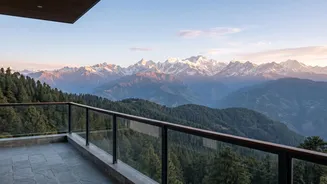
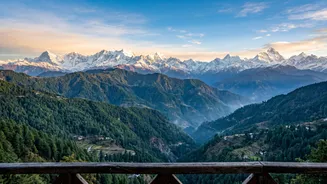
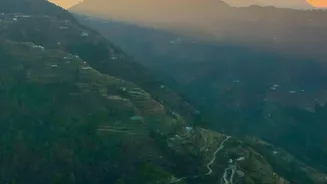
The real reward of a Himalayan work-life is what you do after closing your laptop. Landour's magic lies in its long, meditative walks along near-empty roads like the 'chukkar', with panoramic views of the Doon Valley and distant snow peaks. The evenings are for quiet reading and spectacular sunsets known as the 'Winterline'. Almora, on the other hand, serves as a launchpad for exploration. You can delve into the Binsar Wildlife Sanctuary, visit ancient temple complexes like Jageshwar, or simply wander through the town's vibrant markets. Both locations offer a chance to disconnect from urban chaos and reconnect with nature, whether through solitary hikes or shared cultural experiences.