

First, What Are Polyphenols?
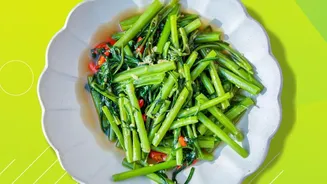
Before we dive into cooking methods, let's talk about what we're trying to preserve. Polyphenols are a large group of naturally occurring compounds found in plant-based foods, including leafy greens, broccoli, and green beans. They act as powerful antioxidants,
which help protect our bodies from cellular damage caused by unstable molecules called free radicals. Diets rich in polyphenols are linked to numerous health benefits, including reduced risk of chronic illnesses like heart disease, diabetes, and certain cancers. Think of them as tiny bodyguards found in your favourite vegetables, working to keep you healthy from the inside out.
The Tale of Two Cooking Methods
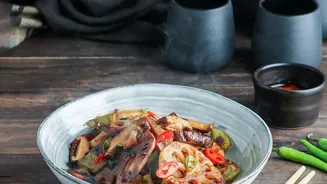
Stir-frying and steaming are both popular ways to cook greens, but they work in fundamentally different ways. Stir-frying involves cooking food quickly in a small amount of oil over very high heat. The direct, intense heat sears the vegetables. Steaming, on the other hand, uses the gentle, moist heat from boiling water to cook the food without it ever touching the water itself. This indirect cooking method is less aggressive, with temperatures generally lower than the surface of a hot wok. This difference in heat application is the key to understanding why nutrient levels vary so much between the two techniques.
The Science of a Sizzle
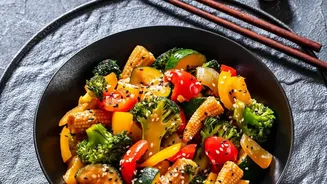
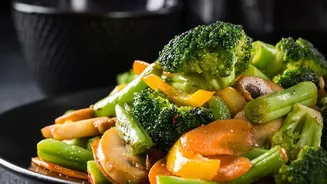
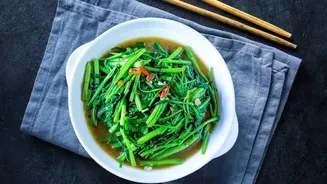
The high heat of stir-frying is what creates that delicious, slightly charred flavour and crisp-tender texture. However, that same intense heat can be tough on delicate polyphenols. Many of these compounds are sensitive to heat and can degrade when exposed to the high temperatures of a wok. Studies have shown that frying can cause a significant reduction in the polyphenol content of vegetables, sometimes by a large margin compared to other methods. For instance, one study noted that frying broccoli led to a greater loss of certain polyphenols than steaming did. While stir-frying is very quick, the direct, high-temperature exposure is often enough to break down some of these beneficial compounds.
The Gentle Power of Steam
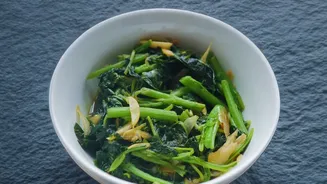
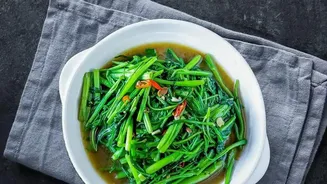
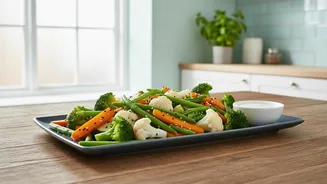
Quick steaming consistently comes out on top in studies as one of the best methods for preserving polyphenols and other water-soluble nutrients in vegetables. Because the vegetables aren't submerged in water (like with boiling), there's less opportunity for nutrients to leach out. The heat is also less intense than a scorching hot pan. This gentler cooking process softens the vegetable's tissues without completely destroying its cellular structure, which helps keep more of the good stuff intact. Multiple studies have concluded that steaming is the superior method for retaining polyphenols and antioxidant capacity in vegetables like broccoli, kale, and green beans when compared to boiling, microwaving, or frying.
So, Is Stir-Frying Unhealthy?
Not at all. This isn't a case of good versus evil. While steaming may be the champion for polyphenol preservation, stir-frying has its own advantages. It's a fast cooking method, and the short cooking time can help preserve other heat-sensitive nutrients like vitamin C better than long boiling would. Furthermore, cooking with a healthy fat like olive oil can actually increase the absorption of fat-soluble vitamins (A, D, E, and K) and other compounds like carotenoids. Some research even suggests that cooking vegetables with extra virgin olive oil can lead to the oil absorbing some of the vegetables' polyphenols, creating a beneficial exchange. The goal isn't to demonize one method, but to understand the trade-offs.
Making Smart Choices in the Kitchen
The best approach is a varied one. You don't have to give up your favourite stir-fry. For maximum polyphenol retention, make quick steaming your go-to method for green vegetables. When you do stir-fry, keep the cooking time as short as possible—just enough to get the vegetables tender-crisp. Don't overcrowd the pan, which can steam the vegetables instead of searing them and prolong cooking time. You can also try a hybrid method: lightly steam your broccoli or green beans for a minute or two before adding them to a quick stir-fry. This ensures they are cooked through with minimal time in the high heat of the wok, giving you the best of both worlds—great texture and better nutrient retention.