






From 'What to Eat?' to 'It's Handled'
For many working professionals in cities like Mumbai, Bengaluru, and Delhi, the end of the workday signals the start of a second shift: figuring out dinner. The mental load of choosing a meal, ordering from an app, or mustering the energy to cook can
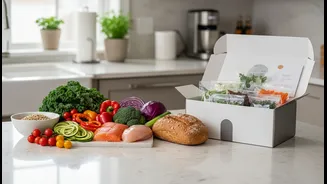
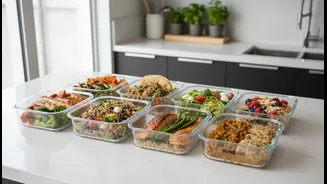
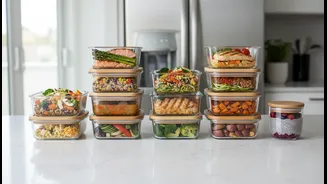
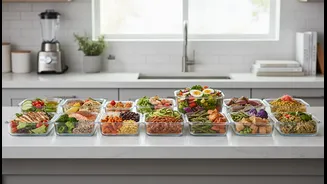
be exhausting. This is where the new wave of meal subscription services comes in, fundamentally changing the urban relationship with food. Instead of a daily decision, it becomes a pre-solved problem. This shift addresses decision fatigue, a common struggle for people with demanding schedules. By paying a recurring fee, subscribers get healthy, pre-planned meals delivered to their doorstep, transforming a daily stressor into a seamless part of their routine. It’s a modern take on the classic 'dabba' service, but supercharged with technology, variety, and a focus on health.
The Health and Wellness Driver
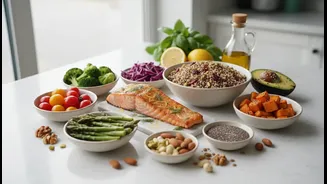
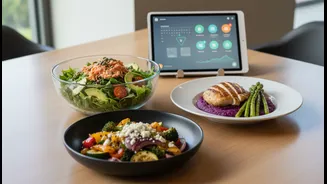
This trend is about more than just convenience; it's deeply tied to a growing health consciousness across urban India. Consumers are no longer just looking for a quick bite; they want food that serves their wellness goals. Reports indicate a significant rise in demand for nutritious, diet-specific meals. Meal subscription platforms are tapping directly into this by offering curated plans for weight loss, muscle gain, and managing health conditions. Many services provide detailed nutritional information for each meal, empowering users to track their intake and stay consistent with their health objectives. Some even offer consultations with nutritionists to create personalized plans, catering to everything from keto and vegan diets to high-protein or low-calorie needs.
The New Face of the Subscriber
The primary audience for these services are young, urban professionals and millennials who have disposable income but are short on time. This demographic, often living in dual-income households or away from home, values convenience and is digitally savvy. They are leading the charge in the online food delivery market, which is projected to see significant growth. However, the appeal is broadening. Fitness enthusiasts use these services to ensure their diet aligns with their training regimen. Busy couples find it a practical way to avoid the 'what to cook' debate. Even empty-nesters are turning to subscriptions for hassle-free, healthy meals. The services are also expanding into Tier 2 and Tier 3 cities, suggesting a wider adoption of this lifestyle.
Is the Subscription Model Economical?
At first glance, a monthly subscription can seem like a significant expense. However, when compared to the alternatives, the value proposition becomes clearer. Ordering a-la-carte from food delivery apps like Zomato or Swiggy incurs multiple charges per order, including delivery fees, taxes, and packaging costs, which can add up significantly over a month. Meal subscription services often bundle these costs into a single, predictable price, which can be more economical for daily users. Their business model, which often involves a fixed menu and batched deliveries, allows for greater efficiency and cost savings that are passed on to the consumer. When you also factor in the time saved on grocery shopping, cooking, and cleaning, the subscription model presents itself as an investment in reclaiming valuable personal time.
A Crowded and Competitive Kitchen
The growing demand has led to a burgeoning market with numerous players. National brands like EatFit and HealthifyMe operate alongside a host of city-specific services such as Activeat and Balanced Meal in Mumbai or 6meal in Delhi NCR. This competition is driving innovation, with companies focusing on offering greater variety, flexible plans, and better personalization to attract and retain customers. The Indian food subscription market was valued at over USD 330 million in 2025 and is projected to grow at a compound annual growth rate (CAGR) of over 11% in the coming years, indicating a healthy and expanding sector. Despite challenges like customer retention and food inflation, the potential for growth remains enormous as more people prioritize health and convenience.