








Go Directly to the Source
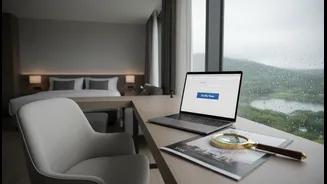
Before you get excited about a viral social media post, take a moment to verify the offer directly. The safest way is to visit the hotel's official website or call them using the contact number listed on their verified Google Business Profile. Scammers
are adept at creating convincing fake websites and social media pages that mimic legitimate hotels. If a deal is real, the hotel will have it listed on its own site. Never click suspicious links in emails or messages; instead, type the hotel’s web address directly into your browser.
Scrutinise 'Too Good to be True' Deals
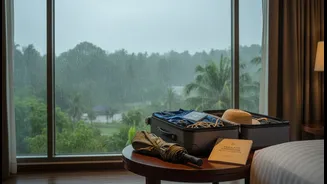
Extremely low prices are a classic red flag used to lure unsuspecting travellers. Cyber police have noted a surge in fraudsters using social media to post attractive videos and photos of popular monsoon destinations with offers of heavy discounts. While everyone loves a bargain, compare the advertised price with similar properties in the area using a price comparison website. If one offer is dramatically cheaper without a clear reason, it's wise to be skeptical. Legitimate providers won't rush you into making a payment, so be wary of high-pressure tactics like countdown timers or claims of very limited availability.
Check the Website and Payment Security
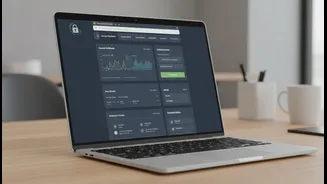
When booking online, always check the website's URL. Ensure it starts with 'https://' and has a padlock symbol, which indicates a secure connection. Look closely for typos or odd characters in the domain name, as these can be signs of a fraudulent site. Be extremely cautious of requests to pay via direct bank transfer, UPI to a personal account, or other untraceable methods. Legitimate hotels and booking platforms use secure, integrated payment gateways. Paying with a credit card often provides stronger fraud protection than other methods.
Read Recent, Verified Reviews
Reviews offer valuable insights, but you need to know what to look for. Don't just rely on the reviews on the hotel's own page. Check third-party sites like TripAdvisor for a more balanced view. Pay close attention to recent reviews, especially those from the last few weeks, as they will reflect the current state of the property. For monsoon travel, look for comments on issues like water leakage, accessibility during heavy rains, or power backup. A lack of any recent reviews for a popular destination can also be a warning sign.
Confirm the Booking Details and Policies
A legitimate booking confirmation should contain specific details: your name, check-in/check-out dates, room type, a unique reservation number, and the hotel's name and address. Cross-reference the hotel's address on Google Maps to ensure it's a real location. Before paying, thoroughly read the cancellation and refund policy. This is especially important during monsoon when travel plans can be disrupted by weather. Scammers often have vague or non-existent cancellation policies, making it difficult to get your money back if something goes wrong. In India, if a hotel cancels on you, you are entitled to a full refund.
Watch for Hidden Charges
Under the Consumer Protection Act, hotels must provide correct information about their services and prices. However, some might try to include extra charges that aren't immediately obvious. Before finalising your booking, make sure the total price includes all taxes, such as GST. Ask specifically about any mandatory monsoon surcharges, extra fees for amenities, or inflated minibar prices that aren't part of the advertised rate. A transparent hotel will be upfront about all costs. Misleading advertising and unfair trade practices can be reported.