




The Invisible Risk on Your Countertop
The greatest threat in the kitchen often goes unseen. It’s called cross-contamination, the process by which harmful bacteria like Salmonella or E. coli move from one item to another. This can happen when you use the same unwashed cutting board for raw
chicken and then for fresh salad vegetables. Even if a surface looks clean, microscopic bacteria can thrive, especially in the tiny nooks and crannies of your equipment. Over time, these bacteria can form a biofilm—a sticky, glue-like community of germs that is highly resistant to simple washing. This invisible layer becomes a persistent source of contamination, making proper cleaning not just a suggestion, but a crucial step for food safety.
The Cutting Board Debate: Wood vs. Plastic
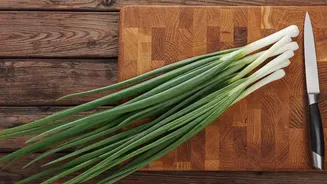
For years, home cooks have debated which cutting board material is safer. Plastic boards are nonporous and can be put in a dishwasher, which seems more hygienic. However, every knife cut creates grooves. These scars become perfect hiding spots for bacteria, which can be difficult to remove even with a thorough wash. Studies have shown that once plastic boards become heavily scarred, they can support biofilms that are not easily removed. Wooden boards, on the other hand, are porous. Some research suggests wood can have natural antimicrobial properties, where bacteria are drawn into the wood fibers and die as the board dries. However, they require more careful maintenance and cannot typically go in a dishwasher. The consensus among food safety experts is that both materials can be safe if maintained properly. The key is to prevent them from becoming excessively worn.
Beyond the Board: Hidden Dangers in Knives and Gadgets
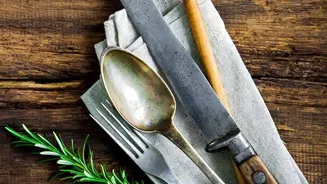
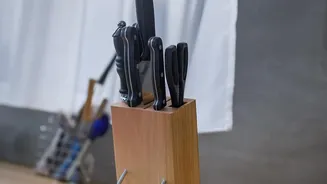
Cutting boards are a primary concern, but they aren't the only culprits. Knives, especially where the blade meets the handle, can trap food particles and moisture, creating a breeding ground for germs. The same applies to other complex cutting tools. A mandoline slicer, with its multiple blades and adjustable parts, has numerous crevices where bacteria can hide. Food processor blades, blender gaskets, and even rubber spatulas can harbor pathogens if not disassembled and cleaned meticulously after each use. These hard-to-reach areas are often missed during a quick wash, allowing contamination to spread the next time you use them. FSSAI guidelines also stress the importance of using utensils made of food-grade quality and sanitizing them before use to prevent such risks.
From Cleaning to Sanitizing: The Right Technique
There's a critical difference between cleaning and sanitizing. Cleaning with hot, soapy water removes visible dirt and food residues, and it's the essential first step. For all cutting boards, this should be done after every use. However, to kill lingering bacteria, you must sanitize. A simple and effective sanitizing solution can be made at home by mixing one tablespoon of unscented liquid chlorine bleach in a gallon of water. After washing, flood the board with this solution, let it stand for several minutes, then rinse with clean water and allow it to air dry completely or pat dry with a paper towel. This two-step process ensures that the surface is both visually clean and microbially safe. Having separate boards for raw meats and produce is also a highly recommended practice to minimize risk.
Knowing When to Say Goodbye
No cutting board lasts forever. Once a board develops deep grooves that are difficult to clean, it's time for a replacement. This applies to both wood and plastic. A warped wooden board that no longer sits flat on the counter is also a safety hazard and should be discarded. For plastic boards, deep knife scars are a clear sign they are past their prime. Persistent stains or odors that won't go away even after a deep clean are another indicator that bacteria may have penetrated the material. Inspecting your equipment regularly is not about aesthetics; it's about protecting yourself and your family from foodborne illnesses.