



Understanding Late-Monsoon Rafting
The main rafting season in Rishikesh runs from September to June, with a necessary pause during the peak monsoon months of July and August when the river is dangerously swollen. The late-monsoon period, typically from mid-September through November, is considered
by many to be a prime time for this adventure. During these weeks, the Ganga is robust and energetic from the recent rains, but water levels have stabilized enough for operators to resume trips safely. This results in more thrilling rapids than in the drier winter months. Before any season starts, a joint inspection team assesses the river's flow and rapids to declare it safe for commercial operations. For first-timers, this season offers an exciting, full-bodied river experience, but it also means that choosing a competent guide is more critical than ever.
Safety First: Finding a Certified Guide
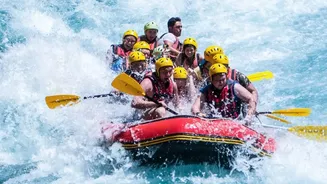
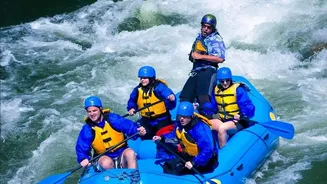
In India, particularly in a hub like Rishikesh, never book a rafting trip from a random roadside agent. Your top priority should be to choose an operator licensed by the Uttarakhand Tourism Development Board (UTDB). Reputable companies are transparent about their safety standards. They provide essential, well-maintained equipment like helmets, paddles, and ISI-certified life jackets. Critically, they employ experienced and trained guides. Look for operators whose guides have certifications in swift water rescue, first aid (like Wilderness First Responder or WFR), or even international credentials from bodies like the International Rafting Federation (IRF). A professional operator will always conduct a detailed 15-20 minute safety briefing before you even get on the water, covering paddling techniques and what to do if you fall in. Many top-tier companies also include a safety kayaker who paddles alongside the raft as an extra layer of security.
Budgeting Your Trip Without Compromise
Rafting in Rishikesh is surprisingly affordable, but prices vary based on the length of the trip and the difficulty of the rapids. For a first-timer, there is no need to book the most extreme or expensive option. The beginner-friendly route from Brahmpuri to Rishikesh, which covers about 9 km of Grade I-II rapids, is a perfect introduction and typically costs between ₹500 and ₹800 per person. The next level up, a 16 km trip from Shivpuri, offers more excitement with Grade II and III rapids and costs around ₹800 to ₹1,200. More advanced routes like the 24 km Marine Drive stretch can cost upwards of ₹1,500. These prices generally include your guide, all necessary equipment, and transport to the starting point. While it’s tempting to go for the absolute cheapest offer, be wary. An unusually low price may signal compromises on guide experience, equipment quality, or safety protocols.
Essential Questions to Ask Before Booking
Before you hand over any money, arm yourself with a few key questions to vet your potential operator. Ask about their license and their guides' certifications and experience level. Inquire about the safety equipment: are the life jackets and helmets certified and in good condition? Ask about the guide-to-guest ratio on the raft and whether a safety kayaker will be present. It's also wise to ask about the emergency plan. A professional company will have clear protocols for various scenarios. Finally, be upfront about your own abilities. If you are a non-swimmer, inform the operator. Rafting is safe for non-swimmers on beginner routes, as the life jacket will keep you afloat, but your guide needs to know so they can give you specific instructions and seat you appropriately in the raft.
What to Expect on the River
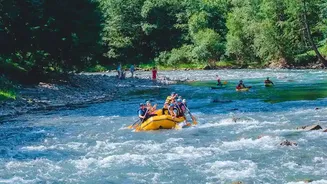
On the day of your adventure, dress appropriately. Wear quick-drying synthetic clothes like a t-shirt and shorts; avoid cotton as it stays wet and cold. For footwear, choose sturdy sandals with straps or water shoes—never flip-flops, which can easily come off. After your safety briefing, you'll learn basic paddling commands from your guide. Listen to them carefully, as teamwork is key to navigating the rapids. You will get wet, so leave any non-waterproof valuables like phones and wallets behind. The experience is a mix of calm floating through stunning Himalayan foothills and bursts of adrenaline as you paddle hard through the churning white water of rapids like the 'Roller Coaster' or 'Golf Course'. The journey is as much about the serene beauty of the Ganga as it is about the thrill.