




A Different Kind of Race
The original space race was a Cold War duel between two superpowers, the United States and the Soviet Union, driven by ideological competition. Today's contest is far more complex. It's a multi-polar scramble involving established space agencies like
NASA, resurgent players like Russia, rising powers such as China and India, and a disruptive new force: private enterprise. Companies founded by billionaires, like Elon Musk's SpaceX and Jeff Bezos's Blue Origin, are not just contractors; they are developing their own rockets and grand ambitions, from space tourism to Martian colonies. This new era is defined by a blend of national prestige, geopolitical strategy, scientific curiosity, and powerful commercial interests, with the global space economy projected to be worth $1.8 trillion by 2035.
The Moon: Gateway to the Galaxy
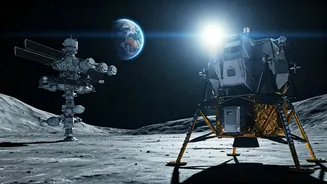
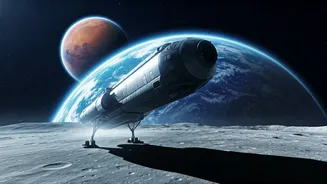
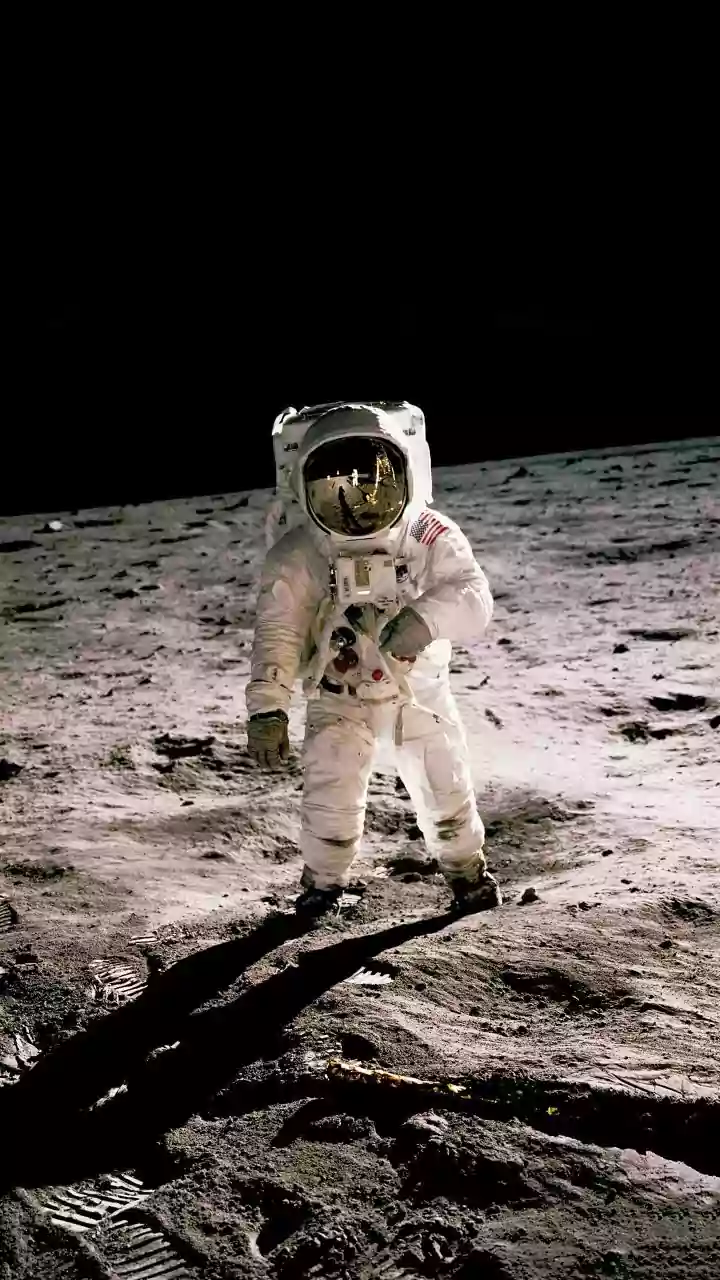
The Moon has once again become a prime destination, viewed not as an end in itself, but as a crucial stepping stone for deeper space exploration. The main prize is the lunar south pole, a region believed to hold vast quantities of water ice in its permanently shadowed craters. This ice can be mined to provide drinking water, breathable oxygen, and, crucially, rocket propellant, potentially turning the Moon into a refuelling station for future missions to Mars and beyond. The US-led Artemis Program aims to establish a permanent human presence on the Moon, with the crewed Artemis II mission having completed a lunar fly-by in April 2026. However, NASA faces a formidable competitor in China, which has a rapidly advancing lunar program of its own. China has already achieved major milestones, including the first-ever landing on the far side of the Moon and returning the first samples from there in 2024. Both nations are planning to establish lunar research stations, setting the stage for a geopolitical contest over resources and strategic locations. India also solidified its position as a key player by becoming the first country to land near the south pole with its Chandrayaan-3 mission in 2023.
Mars: The Ultimate Frontier
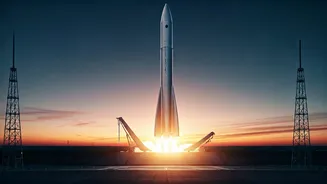
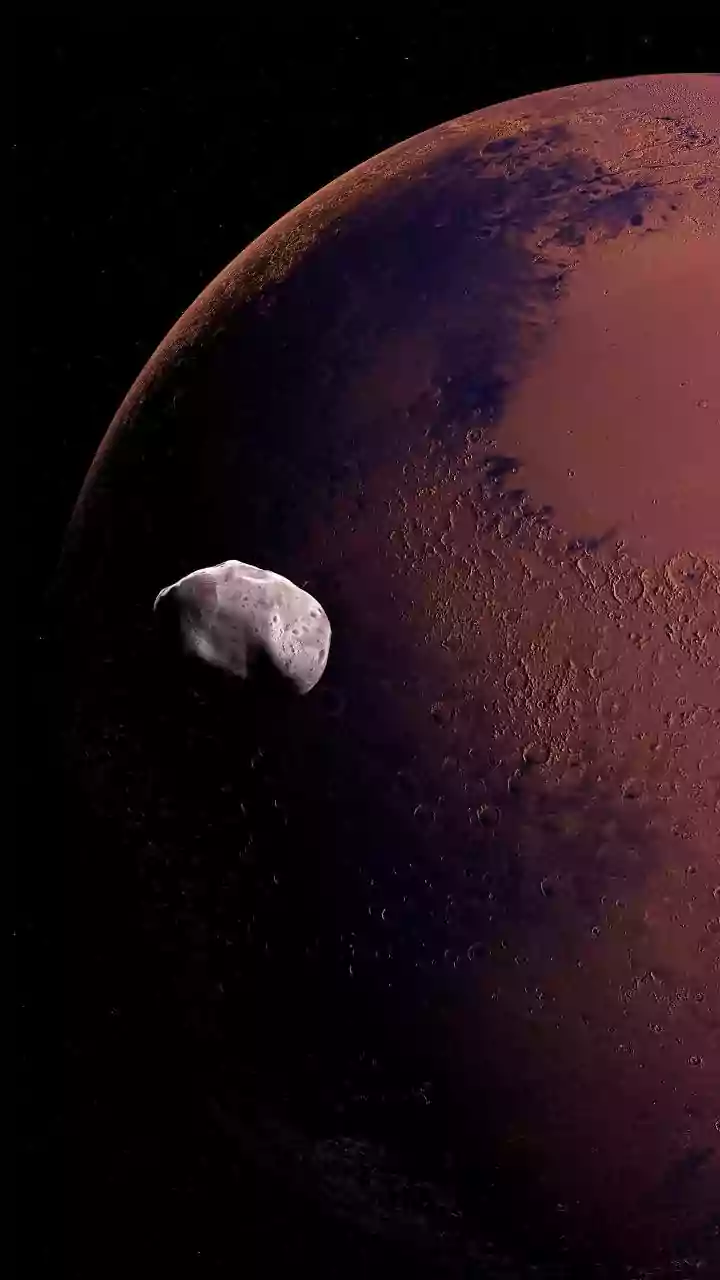
While the Moon is the immediate focus, Mars remains the ultimate prize—the long-term goal that captures the human imagination. For NASA, the Moon is a training ground for an eventual human mission to the Red Planet. But the most ambitious Mars plans come from the private sector. Elon Musk's SpaceX was founded with the explicit goal of making humanity a multi-planetary species by colonizing Mars. His vision involves a fleet of reusable Starship rockets transporting thousands of people and millions of tonnes of cargo to build a self-sustaining city. China also has its sights set on Mars, having successfully landed its first rover in 2021 and planning a sample-return mission around 2028. The immense technical and physiological challenges of a months-long journey and life on another planet mean these goals are still years away, with SpaceX's first crewed missions now projected for the early 2030s.
The New Players: Billionaires and Startups
Perhaps the biggest change from the Apollo era is the rise of the commercial space industry. Led by figures like Elon Musk, Jeff Bezos, and Richard Branson, private companies are revolutionizing access to space. SpaceX, in particular, has upended the launch industry with its reusable rockets, dramatically lowering costs and increasing launch frequency. This has created a burgeoning space economy, from satellite internet constellations like Starlink to plans for private space stations. This new ecosystem isn't just an American phenomenon. India, for example, has deliberately opened its space sector to private enterprise through its 2023 Space Policy, aiming to capture a larger share of the global market and foster innovation. The partnership between government agencies and private firms has become the dominant model, accelerating the pace of development and enabling more ambitious missions than either sector could achieve alone.
Why It Matters Now
This new race is more than a celestial competition; it has profound implications back on Earth. Strategically, space is a critical domain for national security, communications, and navigation, with nations developing counter-space capabilities. The competition for lunar resources is forcing a debate about property rights in space, with the US-led Artemis Accords and a competing China-Russia bloc proposing different rules for the road. Economically, the development of space-based technologies spurs innovation and creates new industries, from advanced robotics to artificial intelligence. For India, which has emerged as a major space power through cost-effective missions, this new era presents a massive opportunity. By encouraging private startups and collaborating with international partners through agreements like the Artemis Accords, India is positioning itself not just as a participant, but as a critical player shaping the future of humanity's journey to the stars.